Global RTG Crane Deliveries Hit 20-Year High of 777 Units

Global terminal operators took delivery of 777 RTG cranes in 2026, a 20-year high driven by rapid capacity expansion in emerging markets like Africa.
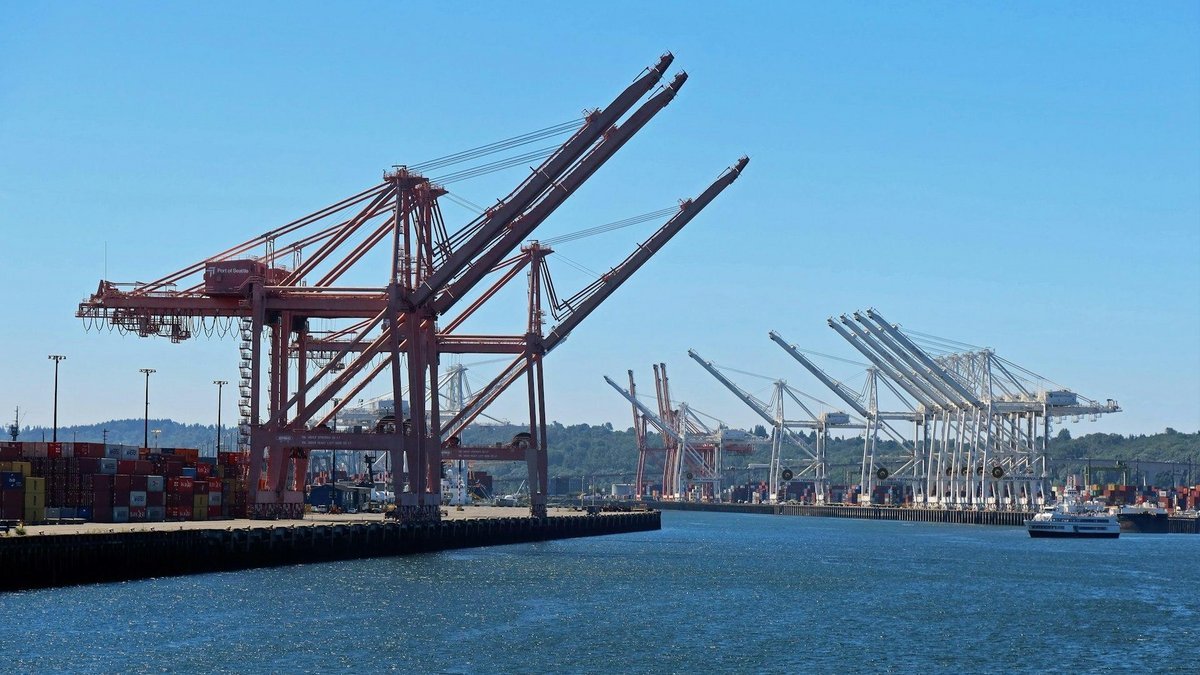
Global terminal operators took delivery of 777 rubber-tyred gantry (RTG) cranes in 2026, the highest annual volume recorded since 2006. The surge reflects a widespread shift toward RTGs as the primary tool for adding yard capacity quickly and economically.
WorldCargo News’ annual yard crane survey confirms that RTGs are increasingly the preferred choice for greenfield terminal developments. Africa led the global market in 2026, receiving 175 units, a figure that surpasses total deliveries to Chinese terminals for the same period.
The market for crane suppliers is also diversifying. Five manufacturers delivered more than 50 machines each during 2026, while two additional suppliers produced over 30 cranes, signaling a more competitive landscape among original equipment manufacturers (OEMs).
Why it matters
The record delivery volume signals a massive, synchronized effort by terminal operators to scale up throughput capacity. For shipowners and charterers, this investment in yard infrastructure is a leading indicator of terminal productivity improvements. Ports that successfully integrate these new units can expect faster container turnaround times, reducing the risk of yard congestion that often leads to vessel berthing delays.
The fleet renewal cycle is also accelerating. Thousands of RTGs manufactured before 2008 are now reaching the end of their operational lifespans. The Port of Koper’s decision to retire six Konecranes units that logged nearly 500,000 operating hours each illustrates the maintenance pressure facing older terminals. Operators replacing these aging assets with modern, electrified eRTGs are not just seeking reliability; they are likely attempting to lower long-term energy costs and meet evolving terminal efficiency standards.
The US market remains a notable outlier due to the current exclusion of Chinese OEMs. While this creates a vacuum, established non-Chinese suppliers have yet to fill the gap with domestic production. This leaves US terminal operators with fewer procurement options, potentially increasing project costs and lead times until new entrants, such as Port Cranes of America, can successfully scale their operations.
What to watch
The industry should monitor the progress of Port Cranes of America as it negotiates a trial for its first RTG, which would provide a new domestic supply option for US ports. Additionally, the pace of retirement for pre-2008 cranes will continue to drive replacement demand in the coming years.