Maersk to cut India-North America surcharges but maintains Houston premium

Maersk will reduce peak season surcharges from the Indian Subcontinent to North America in November 2026, while keeping a $4,800 Houston premium.
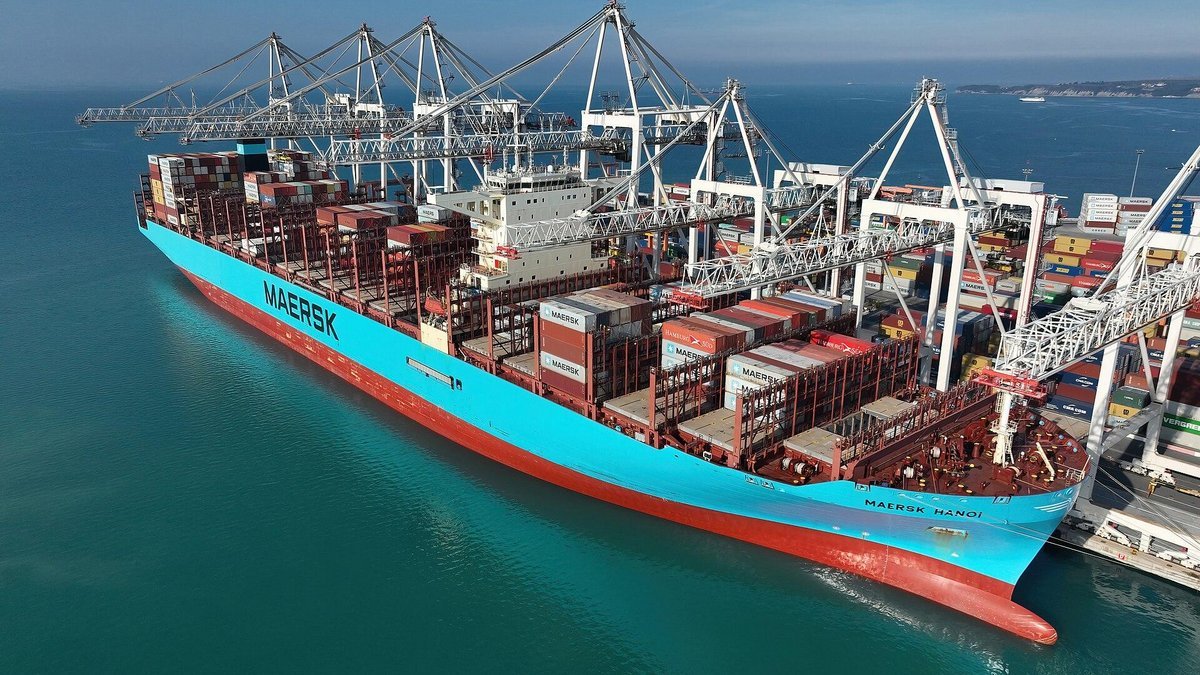
Maersk will cut its peak season surcharges for dry container shipments from the Indian Subcontinent to North America on 24 November 2026, though a steep $4,800 premium remains for cargo bound for Houston.
The carrier announced revised Peak Season Surcharge (PSS) rates for non-SPOT dry container bookings originating in India, Sri Lanka, Bangladesh, the Maldives, Nepal, and Bhutan. These charges apply to shipments bound for the US and Canadian East and Gulf coasts.
Shipments from West Indian hubs including Nhava Sheva, Mundra, Pipavav, and Hazira to most covered ports will drop to $2,650 for 20-foot dry containers and $2,950 for 40-foot and high-cube equipment. Cargo from South and East India, Bangladesh, and Sri Lanka will face a flat $3,100 surcharge per container for the same destinations.
Maersk will apply a separate, higher surcharge of $4,800 to all shipments from the Indian Subcontinent specifically bound for Houston. For FMC-regulated shipments, the price is determined by the final container gate-in date, while non-FMC cargo uses the scheduled departure date of the first ocean leg.
Why it matters
The reduction suggests Maersk sees a softening in the supply-demand imbalance that typically drives peak season pricing on the India-to-North America trade. For shippers moving dry goods from Indian manufacturing hubs to the US East Coast, the revised rates provide a measure of relief on landed costs for non-SPOT contracts starting late in the fourth quarter of 2026.
The $4,800 Houston surcharge is the clear outlier in this adjustment. At nearly double the rate of other Gulf and East Coast ports for some origins, this premium indicates that Maersk is pricing in significantly higher operational hurdles or sustained congestion specifically at the Texas gateway. Shippers bound for Houston will continue to pay a heavy price for access compared to those using alternative East Coast discharge points.
The exclusion of SPOT bookings from these reductions maintains a clear divide in the market. Maersk is rewarding long-term contract holders with these lower surcharges, while those relying on the spot market remain exposed to different pricing mechanisms. This reinforces the value of committed volume for Indian exporters during the tail end of the peak season.
What to watch
The 24 November 2026 implementation date is the next trigger for shippers to recalculate their logistics budgets for the final weeks of the year. Any further adjustments to the Houston premium will signal whether the specific bottlenecks at that port are easing or becoming a permanent fixture of the Gulf Coast trade.