Long Beach & MARAD Advance Nuclear Shipping for SMRs | Mariner News
The maritime industry stands at a crucial juncture, navigating the imperative for decarbonization and sustainable operations. In a landmark development signaling a significant leap forward for clean energy in shipping, the Port of Long Beach has become the first US port to partner with the US Maritime Administration (MARAD) on nuclear shipping. This pioneering collaboration aims to explore and advance the integration of nuclear power, specifically small modular reactor (SMR) technology, into commercial vessels and port operations across the United States. This strategic alliance not only positions Long Beach at the forefront of maritime innovation but also underscores a national commitment to exploring advanced, low-carbon propulsion solutions for a resilient and environmentally responsible future for global trade. The implications of this Long Beach nuclear shipping initiative are profound, potentially reshaping how cargo is transported and how ports operate in the decades to come.
Pioneering Nuclear Power for Commercial Shipping
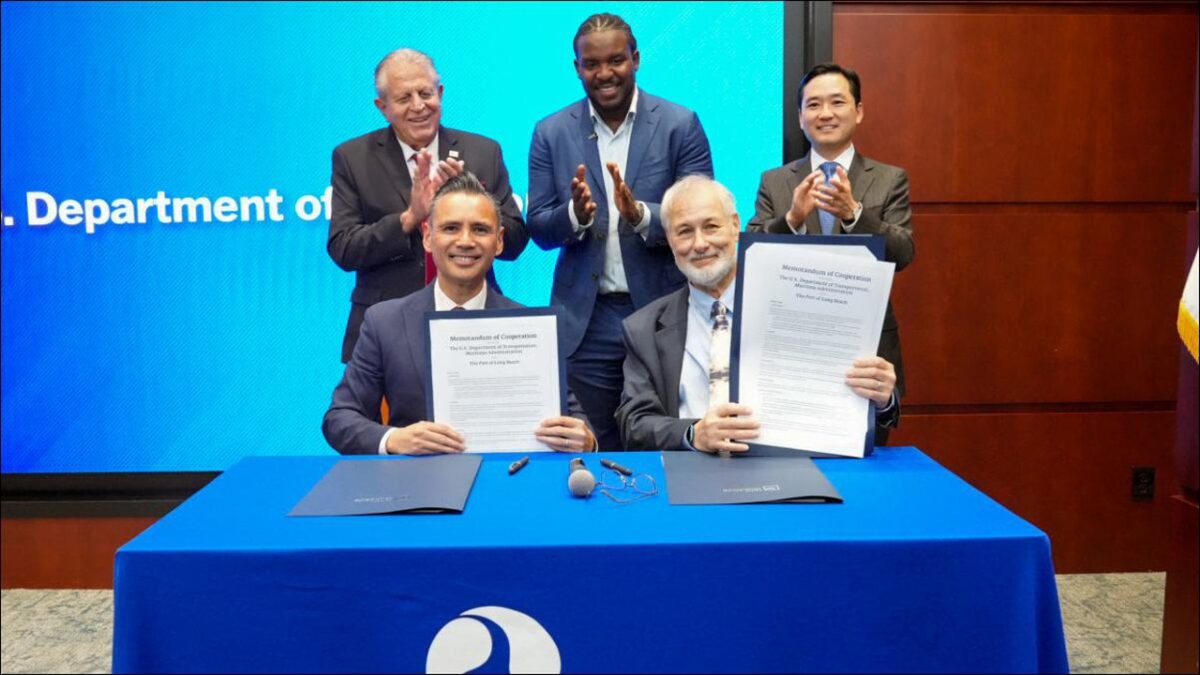
The partnership between the Port of Long Beach and MARAD, formalized through a pivotal memorandum of cooperation, marks a critical early step toward integrating nuclear energy into commercial shipping. This collaborative effort supports the development and eventual deployment of nuclear-powered commercial ships, with a strong emphasis on Small Modular Reactors (SMRs). Long Beach stands as the first US port to directly engage with a federal agency to systematically address the complexities and opportunities of nuclear propulsion for merchant fleets, laying groundwork for practical implementation.
This strategic alliance with various federal agencies is crucial for developing comprehensive safety standards, establishing clear operating procedures, and devising effective inspection requirements specifically tailored for future SMR-powered vessels calling at US ports. These ships are envisioned to necessitate a unified and rigorous regulatory environment that ensures both operational efficiency and the highest levels of safety. The Port of Long Beach’s proactive stance in this partnership demonstrates a forward-thinking approach to maritime energy, recognizing the long-term benefits of embracing advanced nuclear technology.
By committing to this partnership, Long Beach is not just reacting to future energy demands; it is actively shaping them. The initiative provides a vital platform for stakeholders to engage in dialogues about technological readiness, infrastructure needs, and public perception surrounding nuclear maritime applications. The port’s role as an early adopter and collaborator in this space is expected to provide invaluable insights and real-world considerations that will inform broader national strategies for a clean and efficient maritime transportation system. This commitment to nuclear-powered vessels reflects a deep understanding of the urgent need for scalable, zero-emission solutions to meet increasingly stringent environmental regulations and global decarbonization targets.
MARAD’s Vision and Long Beach’s Strategic Role
MARAD’s engagement directly continues its strategic vision to modernize the US marine transportation system and enhance its energy independence. Earlier this year, MARAD sought significant industry feedback on developing a US-built, commercially viable Small Modular Reactor for marine applications. This outreach underscored the agency’s recognition of SMRs as a promising pathway to achieve both environmental sustainability and operational resilience for the nation’s shipping fleet. The partnership with the Port of Long Beach provides a concrete, collaborative channel to translate that vision into actionable steps, leveraging the port’s extensive operational experience and its critical position within global trade networks.
As one of the busiest container ports in the United States, Long Beach’s decision to formally engage with MARAD on maritime nuclear energy highlights its leadership in innovation and sustainability. The port’s vast infrastructure and its experience managing diverse vessel traffic make it an ideal partner for exploring the practicalities and challenges associated with integrating nuclear vessels into port operations. This includes assessing the necessary modifications to port facilities, understanding bunkering alternatives, and developing emergency response protocols specific to SMR technology.
Furthermore, Long Beach’s prior initiatives highlight its commitment to exploring advanced energy solutions. The port recently signed a separate agreement with BlueCore Energy, focusing on the assembly, testing, and storage of maritime power modules. While distinct from the MARAD partnership, this earlier agreement demonstrates Long Beach’s consistent pursuit of cutting-edge energy technologies for the maritime sector. This established interest and existing groundwork make the port a uniquely qualified and motivated partner for MARAD’s ambitious nuclear shipping agenda. The collaborative approach with federal agencies ensures that eventual standards and procedures will be robust, addressing concerns from all angles, from engineering specifics to environmental impact assessments and security considerations for nuclear shipping technology.
The Promise of Small Modular Reactors (SMRs) in Maritime
Small Modular Reactors (SMRs) represent a paradigm shift in nuclear technology, offering significant advantages that make them particularly attractive for maritime applications. Unlike traditional large-scale nuclear power plants, SMRs are designed to be compact, factory-fabricated, and transportable, allowing for greater flexibility in deployment. For nuclear-powered ships, this means a smaller physical footprint onboard, potentially freeing up valuable cargo space or enabling more efficient vessel designs. Their modular nature also facilitates easier manufacturing, installation, and maintenance, which can reduce construction times and costs compared to conventional reactors. This scalability makes them suitable for a diverse range of vessel types, from cargo ships to icebreakers and naval support vessels.
Beyond their physical attributes, SMRs boast inherent safety features, often utilizing passive safety systems that do not require active intervention or external power to shut down safely in an emergency. This enhanced safety profile is crucial for gaining public acceptance and regulatory approval, especially for vessels operating in crowded shipping lanes or docking at commercial ports. From an environmental perspective, SMRs offer a zero-emission power source during operation, producing no greenhouse gases or air pollutants. This aligns perfectly with global efforts to decarbonize the shipping industry and achieve ambitious climate targets, presenting a compelling alternative to fossil fuels that currently dominate marine propulsion.
The application of SMR technology extends beyond propulsion. They can also serve as reliable, continuous power sources for onboard systems, potentially reducing the need for auxiliary diesel generators and further lowering a ship’s carbon footprint. For ports, SMRs could offer clean energy solutions for shoreside power, enabling vessels to plug into zero-emission grids while docked. This versatility makes SMRs a truly transformative technology for the entire maritime ecosystem. However, realizing this potential requires overcoming significant regulatory hurdles, developing specialized training for crews, and investing in new port infrastructure designed to safely accommodate and service SMR technology shipping. The Long Beach-MARAD partnership is directly addressing these foundational challenges.
Paving the Way for a Cleaner, More Resilient Maritime Future
The partnership between the Port of Long Beach and MARAD is a powerful testament to the escalating global push for cleaner, more resilient maritime operations. As international regulations tighten and the industry faces immense pressure to reduce emissions, nuclear energy, particularly through advanced SMRs, emerges as a highly compelling long-term solution. By investing in the foundational work of establishing safety standards, operational protocols, and inspection requirements, the United States is actively charting a course toward a future where commercial nuclear vessels are a viable and integral part of global supply chains. This initiative supports the broader agenda of maritime decarbonization, offering a pathway to significantly reduce reliance on fossil fuels.
This collaborative effort also contributes to enhancing the energy independence and security of the US maritime transportation system. By developing domestic capabilities for nuclear propulsion, the nation can reduce its vulnerability to volatile fossil fuel markets and geopolitical supply chain disruptions. The non-binding nature of the agreement, as highlighted, means neither party is currently committed to funding or deploying specific nuclear technology; however, it signifies a crucial strategic commitment to exploring and de-risking this technology. It’s an investment in knowledge and framework development, setting the stage for future implementation decisions based on robust research and regulatory clarity.
Further reinforcing the national commitment, this initiative follows related efforts from other key US agencies. Last month, for instance, the US Coast Guard and the US Nuclear Regulatory Commission were reported to be actively collaborating on similar regulatory considerations for nuclear technologies in the maritime sector. These parallel efforts underscore a coordinated national strategy to understand and integrate nuclear power into the nation’s commercial fleet. The Long Beach-MARAD partnership is thus a vital component of a larger, multifaceted strategy designed to usher in a new era of sustainable and secure US maritime innovation, directly impacting the economic and environmental future of shipping.
Global Impact and US Leadership in Maritime Innovation
While the immediate focus of the Long Beach-MARAD partnership is on domestic applications, its implications resonate on a global scale. The development of robust safety and operational standards for nuclear-powered commercial ships in the US could set a precedent for international maritime regulations. As other nations increasingly explore alternative fuels for their fleets, the foundational work being done here could serve as a blueprint, fostering greater harmonization and accelerating the global adoption of advanced nuclear technologies in shipping. This leadership position allows the US to influence future international conventions and best practices for clean shipping solutions.
By pioneering the integration of SMRs into commercial maritime operations, the United States stands to reassert its leadership in maritime innovation and clean energy technology. This move not only addresses environmental concerns but also offers a significant competitive advantage in the long run. Nations that successfully develop and deploy advanced clean propulsion systems will be better positioned to meet future environmental regulations, ensuring the continuity and efficiency of their trade routes. The initiative also fosters a domestic ecosystem of skilled labor, research institutions, and technology providers capable of supporting the burgeoning future of shipping that relies on advanced energy sources.
The long-term impact on port infrastructure worldwide could also be substantial. Ports that are prepared to accommodate nuclear-powered vessels, through robust regulatory frameworks and adaptable facilities, will likely become key hubs in a decarbonized global shipping network. The partnership’s emphasis on developing comprehensive procedures ensures that the Port of Long Beach is actively preparing for this future, securing its role as a leader in sustainable port operations. This foresight in planning for Port of Long Beach nuclear power underscores a forward-looking approach to global trade, emphasizing sustainability, safety, and technological advancement as cornerstones of maritime progress.
The groundbreaking partnership between the Port of Long Beach and the US Maritime Administration marks a monumental stride towards a sustainable and technologically advanced future for global shipping. As the first US port to collaborate, Long Beach is actively driving change, integrating nuclear power, specifically Small Modular Reactors, into commercial maritime operations. This strategic alliance is pivotal in developing essential safety standards, operating procedures, and inspection requirements for the safe deployment of nuclear-powered vessels in US ports. This Long Beach nuclear shipping initiative demonstrates a proactive commitment to decarbonization, energy independence, and modernizing the US marine transportation system. It promises zero-emission voyages and resilient supply chains. This partnership’s influence is expected to shape international maritime policy, fostering a new era of clean, safe, and efficient global trade. The journey towards a nuclear-powered maritime future, championed by Long Beach and MARAD, has officially begun.