Lerwick Harbour Expands Shore Power for NorthLink | Mariner News
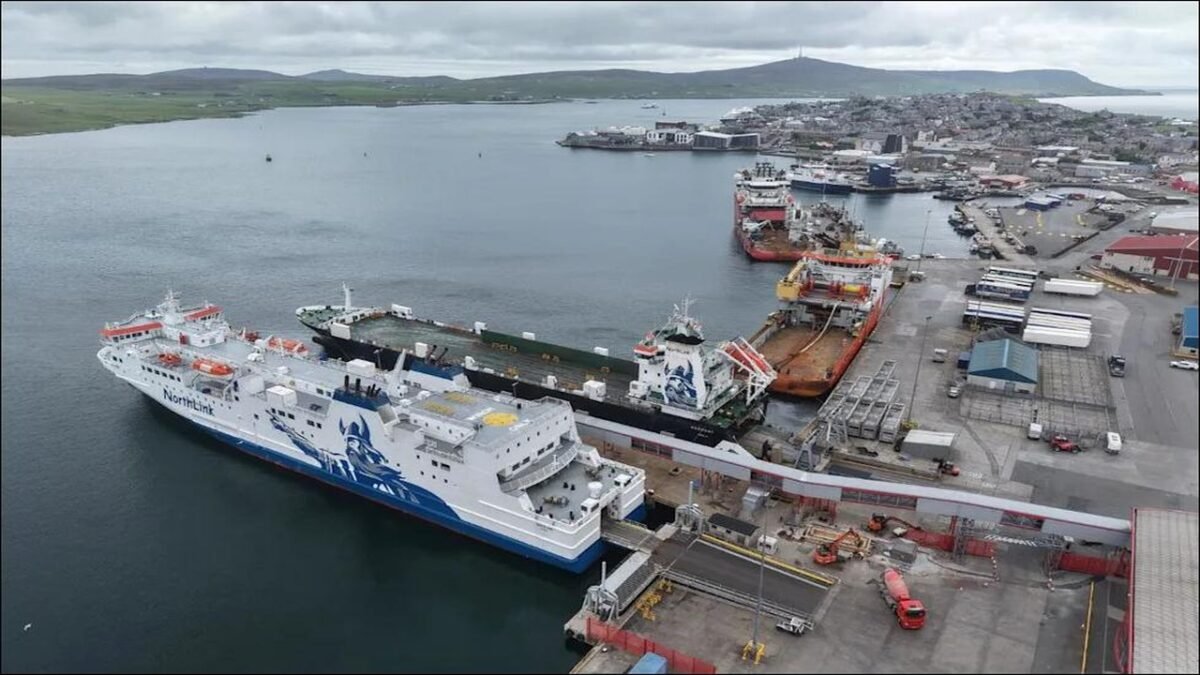
Lerwick Harbour is embarking on a significant expansion of its shore power network, a crucial step towards fostering sustainable shipping practices for NorthLink Ferries. This ambitious project at Holmsgarth Berth 3 marks a pivotal moment for Scottish maritime infrastructure, aiming to substantially reduce emissions and noise pollution while vessels are berthed. By enabling ferries to “cold iron” – connecting directly to the local electricity grid – Lerwick Harbour is not only enhancing its operational efficiency but also reaffirming its commitment to environmental stewardship and decarbonization within the shipping industry. This development transforms the port’s environmental footprint, providing a blueprint for other ports adopting greener maritime solutions. It strategically aligns with global efforts to transition towards a cleaner, more energy-efficient future for the maritime sector, emphasizing port electrification.
The Imperative of Shore Power in Maritime Decarbonization
Shore power, often referred to as cold ironing or Alternative Maritime Power (AMP), is an essential technology in the global push for sustainable maritime operations. It allows ships to shut down auxiliary diesel engines and draw clean electrical power from the port’s onshore grid while docked. This simple yet profoundly effective practice eliminates harmful pollutants such as nitrogen oxides (NOx), sulfur oxides (SOx), particulate matter (PM), and carbon dioxide (CO2) that would otherwise be released into the atmosphere from idling engines. Beyond air quality improvements, shore power significantly reduces noise pollution, creating a quieter and healthier environment for port workers and nearby communities. This dual benefit addresses both ecological and societal concerns.
The international maritime sector faces increasing pressure to reduce its environmental impact, driven by stringent regulations from bodies like the International Maritime Organization (IMO) and growing public demand for greener transport solutions. Ports worldwide are investing heavily in electrification projects to meet these new standards and secure their long-term viability in a decarbonized future. Lerwick Harbour’s commitment to expanding its shore power facilities aligns perfectly with these global objectives, positioning it as a leading example of a progressive port embracing eco-friendly infrastructure upgrades. Robust shore power systems are not merely compliance measures but strategic investments in the future of sustainable shipping and port resilience.
This forward-thinking approach by Lerwick Harbour underscores Scotland’s broader commitment to environmental sustainability. The Scottish government has set ambitious climate change targets, and initiatives like this Lerwick Harbour shore power expansion play a vital role in achieving them. By supporting ferry operators such as NorthLink Ferries in their transition to cleaner operations, Lerwick Harbour contributes directly to the national effort to reduce greenhouse gas emissions and improve air quality in coastal communities. It represents a tangible step towards a more sustainable and environmentally responsible maritime industry in the region, fostering a greener economic landscape for the Northern Isles.
Project Details: Enhancing Holmsgarth Berth 3 for Sustainable Ferry Operations
The current project specifically focuses on installing advanced shore power capabilities at Holmsgarth Berth 3, a strategic location for accommodating NorthLink passenger ferries. This upgrade is meticulously designed to support both current and future operational needs of these vital vessels, ensuring seamless integration with the port’s existing infrastructure. The scheme is a collaborative effort, fully funded by Caledonian Maritime Assets Limited (CMAL) and Transport Scotland, highlighting a unified vision for a greener maritime future within the nation. This governmental and industry collaboration is crucial for driving significant infrastructural changes, setting a precedent for future port electrification initiatives across Scotland.
The execution of this complex project involves several key partners, each bringing specialized expertise. Frank L Johnston (Shetland) has been entrusted with the civil works, laying the essential groundwork for the advanced electrical installations. ABB Marine & Ports UK, a global leader in marine electrical systems, is responsible for installing and commissioning the electrical infrastructure, guaranteeing a reliable and high-performance connection that meets international standards. Furthermore, Arch Henderson, part of Haskoning, is providing expert leadership in design and overall construction management, ensuring the project adheres to the highest standards of engineering and safety. This multidisciplinary approach ensures a robust and future-proof solution for Lerwick Harbour, enhancing its capability as a modern, eco-conscious port.
Once operational, the new shore power system at Holmsgarth Berth 3 will enable NorthLink Ferries and other compatible vessels to transition smoothly from onboard power generation to drawing electricity directly from the harbour’s grid. This capability means ships can effectively “turn off” their auxiliary engines, leading to significant reductions in fuel consumption and, consequently, operational costs. The enhanced infrastructure will also boost the port’s capacity to handle modern vessels equipped with advanced electrical systems, ensuring Lerwick remains a competitive and attractive destination for shipping lines committed to environmental excellence. This upgrade makes Lerwick Harbour a more sustainable and efficient port.
Tangible Environmental Gains and Decarbonization Pathways
The expansion of shore power at Lerwick Harbour is set to deliver substantial environmental benefits, particularly in emissions reduction. By allowing NorthLink Ferries to connect to the local grid, the project directly addresses exhaust emissions at berth. This means a cleaner local atmosphere for Lerwick and its surrounding areas, mitigating health impacts associated with ship exhaust and contributing to better air quality for residents and visitors. The shift to grid electricity, especially as Scotland’s grid increasingly incorporates renewable energy sources, makes the entire cold ironing process even more environmentally friendly, aligning with broader national sustainability goals.
The success of Lerwick’s existing shore power facilities at Mair’s Pier provides a compelling precedent for the expected impact of this new expansion. Since its installation, the Mair’s Pier system has supplied nearly 9 GWh of electricity, demonstrating immense potential for emission savings. This track record underscores the practical efficacy of cold ironing technology and reinforces the wisdom of further investment in such infrastructure. Each kilowatt-hour supplied via shore power represents energy that did not come from burning marine diesel, translating directly into avoided tonnes of greenhouse gases and other pollutants. This commitment to green port solutions positions Lerwick Harbour at the forefront of maritime environmental innovation.
This initiative is also a crucial step in supporting the broader decarbonization goals of the maritime industry. As shipping companies navigate increasingly stringent environmental regulations and strive for carbon neutrality, ports that offer advanced shore power solutions become invaluable partners. The ability for vessels to reduce their carbon footprint while in port directly contributes to their overall emissions targets and helps them comply with international and national environmental mandates. Lerwick Harbour’s investment is therefore not just about local environmental improvement, but also about facilitating the wider industry’s transition towards a more sustainable and less carbon-intensive future, ensuring ecological responsibility.
Charting the Course for Green Ports and Future Maritime Connectivity
The expansion of shore power at Lerwick Harbour transcends a mere infrastructural upgrade; it represents a forward-looking strategy for green port development and enhanced maritime connectivity in Scotland. By investing in such advanced facilities, Lerwick is not only serving its immediate needs but also future-proofing its operations for the next generation of vessels, many designed with cold ironing capabilities as standard. This proactive approach ensures that Lerwick remains a key maritime hub, capable of accommodating increasingly eco-conscious shipping lines and promoting environmental responsibility throughout the supply chain. It solidifies Lerwick’s role as a leader in sustainable port evolution.
This project also has the potential to inspire and catalyze similar developments across other Scottish ports. As a successful model for public-private partnership and effective implementation of green technology, Lerwick Harbour’s initiative can serve as a blueprint for wider maritime electrification efforts. The collaboration between CMAL, Transport Scotland, and private sector contractors showcases a replicable framework for accelerating the adoption of sustainable port practices nationwide. This ripple effect is vital for achieving a truly integrated and environmentally sound national maritime infrastructure network, creating a cohesive strategy for cleaner shipping.
Furthermore, the commitment of NorthLink Ferries to utilize these new shore power facilities is instrumental. As a prominent ferry operator connecting the Scottish mainland with the Northern Isles, their adoption of cold ironing sends a strong message about the viability and benefits of sustainable operations. This partnership between port and operator is a powerful example of how the industry can work together to reduce its environmental impact, enhance vessel efficiency, and contribute to a healthier planet. The long-term vision includes not only reducing emissions but also fostering innovation in energy management and smart port technologies, solidifying Lerwick Harbour’s reputation as a pioneer in maritime sustainability.