

K Line and NYK to Deploy Ammonia-Fueled Car Carriers
K Line and NYK have confirmed plans to deploy ammonia-fueled car carriers by 2030, marking a significant consolidation of Japanese maritime expertise in alternative fuel adoption. The project, which involves a consortium of seven Japanese companies, integrates vessel procurement with the establishment of a dedicated fuel supply chain to support the transport of Toyota vehicles. […]
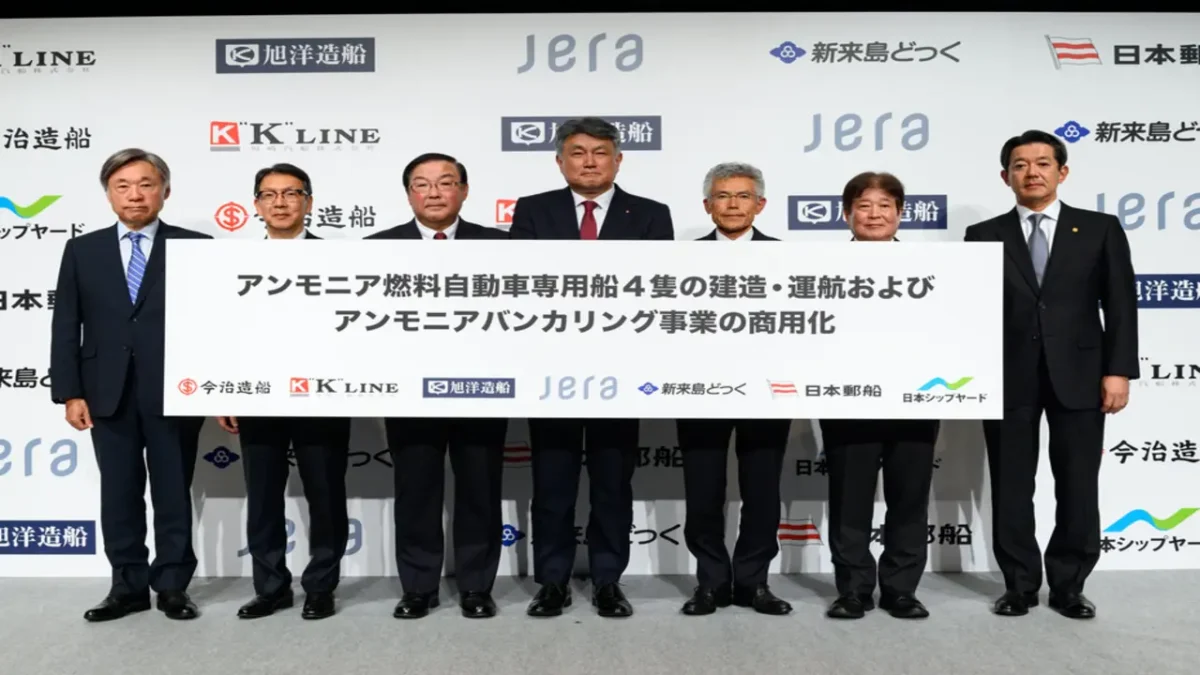
K Line and NYK have confirmed plans to deploy ammonia-fueled car carriers by 2030, marking a significant consolidation of Japanese maritime expertise in alternative fuel adoption. The project, which involves a consortium of seven Japanese companies, integrates vessel procurement with the establishment of a dedicated fuel supply chain to support the transport of Toyota vehicles.
Operational Integration
The joint venture between K Line and NYK to establish a fuel company signifies a departure from traditional ship-owner-operator models toward a vertical integration strategy. By controlling the fuel supply infrastructure alongside vessel deployment, the operators are mitigating the primary risk associated with ammonia: the current lack of a global bunkering network. For the automotive trade, this ensures that the specialized logistics chain required for vehicle transport remains undisturbed by the volatility of emerging green fuel markets.
Strategic Implications
The move suggests that major Japanese carriers are prioritizing certainty in their decarbonization roadmaps over the flexibility of spot-market fuel procurement. As automotive manufacturers face increasing scrutiny regarding Scope 3 emissions, this project positions K Line and NYK to provide a decarbonized logistics solution that is physically anchored by the fuel supply. The collaboration serves as a model for how large-scale fleet operators may approach the transition to ammonia, focusing on captive supply chains to bypass the initial infrastructure gaps that currently hinder broader adoption of zero-emission fuels.