

IRGC claims gas carrier mine strike as Hormuz transit risk rises
Iranian forces report a gas carrier explosion in the Strait of Hormuz, while a crude tanker is struck by a projectile near the UAE.
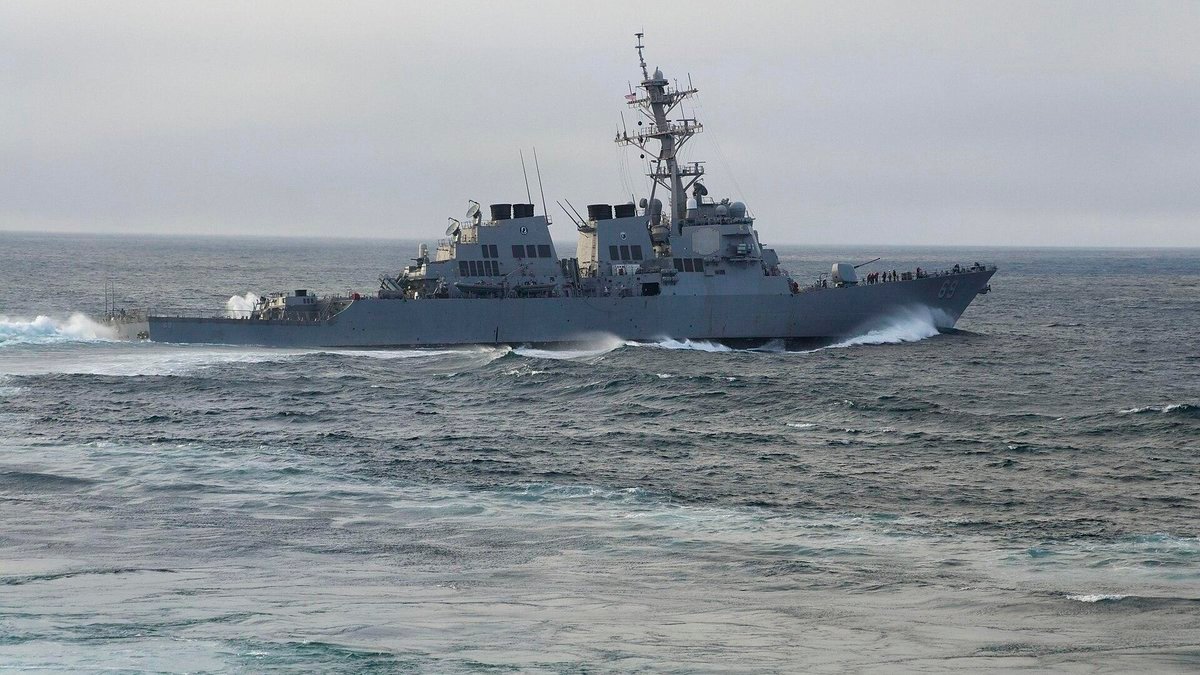
The Iranian Revolutionary Guard Corps (IRGC) Navy claims a gas carrier exploded after hitting a naval mine in the Strait of Hormuz, signaling a lethal enforcement of Iranian-defined routes in the world’s most critical chokepoint. While the specific vessel remains unnamed and unconfirmed by independent monitors, the report follows a confirmed projectile attack on a Liberian-flagged crude tanker just 14 nautical miles off Ra’s al Khaymah.
The IRGC Navy stated on Friday that the gas carrier ignored repeated warnings and attempted to navigate a prohibited southern route before hitting the mine. Iranian media released footage showing a massive explosion and fire, though the United Kingdom Maritime Trade Operations (UKMTO) has not yet issued a confirmation of the incident. The IRGC claimed the ship relied on American military support to attempt the passage rather than following local traffic control instructions.
Separately, India’s minister of ports, shipping and waterways, Sarbananda Sonowal, confirmed that 22 crew members were evacuated from a Liberian-flagged crude tanker after it was struck by an unknown projectile on November 11. The vessel was hit in the engine room northwest of the UAE. UKMTO reports from November 12 indicated that firefighting efforts were ongoing, though all 19 Indian nationals on board were rescued safely by the UAE Coast Guard.
Why it matters
The IRGC is moving beyond verbal harassment to kinetic enforcement of its own traffic regulations. By labeling the southern route of the Strait of Hormuz as prohibited and dangerous, Tehran is effectively attempting to redraw the navigable map of the region. Shipowners and masters now face a choice between following IRGC-mandated routes or risking mine strikes and projectile attacks if they opt for paths protected by Western naval forces.
The lack of immediate independent confirmation for the gas carrier explosion creates a dangerous intelligence gap for security officers and insurers. If the IRGC is using unconfirmed reports to justify future kinetic actions, the psychological pressure on crews will intensify. However, the confirmed hit on the Liberian-flagged tanker’s engine room proves that the threat of physical damage is not merely rhetorical. This targeting of the engine room specifically aims to disable vessels in high-traffic lanes, creating salvage and environmental risks that will weigh on war-risk premiums.
For gas and crude charterers, these incidents break the expectation of a de-escalation in regional tensions. The IRGC’s explicit warning that other vessels will meet the same fate suggests that any ship disregarding Iranian traffic control center warnings is now a designated target. This forces a shift in operational planning, as relying on sovereign naval escorts may no longer guarantee protection against bottom-laid mines or sudden projectile strikes.
What to watch
The next trigger for the market will be the formal identification of the gas carrier by the UKMTO or a flag state. Confirmation of a mine strike would indicate a shift in Iranian tactics toward passive, lethal obstacles that are harder for naval escorts to detect and intercept in real-time.
Source: Shipping Telegraph