

Qatar LNG expansion stalls as Hormuz closure triggers force majeure
War in the Persian Gulf and damage to Ras Laffan force Qatar to delay LNG expansion, threatening future carrier demand and contract stability.
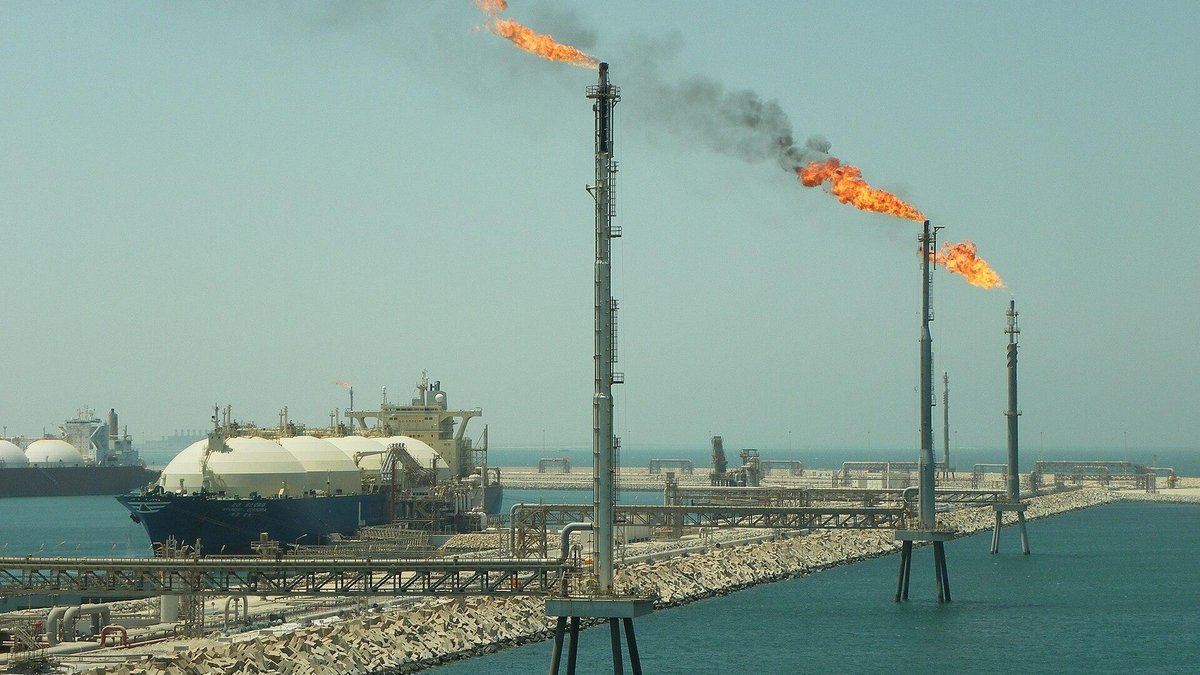
Attacks on the Ras Laffan complex and the closure of the Strait of Hormuz have derailed Qatar’s plans to double its LNG capacity, forcing QatarEnergy to declare force majeure on European and Asian contracts. The disruption breaks the country’s 30-year record of reliability and threatens the long-term deals that underpin the global LNG carrier orderbook.
Qatar’s Prime Minister, Sheik Mohammed bin Abdulrahman Al Thani, described the Persian Gulf escalation as an earthquake for energy supply chains. Damage to two LNG trains at Ras Laffan has cut 17 percent of the plant’s capacity, with QatarEnergy officials stating repairs could take five years. While the facility continues to operate at low levels to avoid a two-month restart process, exports remain blocked by the total closure of the Strait of Hormuz to ship traffic.
The hostilities have pushed back the first phase of the North Field expansion to spring 2027. Qatar originally intended to grow its capacity from 77 million tons per annum (mtpa) to 142 mtpa by 2030. To mitigate losses, QatarEnergy is utilizing its 70/30 partnership with ExxonMobil at the Golden Pass terminal in Louisiana. The first of three trains at the US facility began shipments in April, with the full 18 mtpa capacity expected by spring 2027.
Why it matters
The loss of Qatari reliability forces a fundamental reassessment of LNG shipping demand. Owners and financiers have banked on Qatar’s aggressive expansion to 142 mtpa to employ the next generation of LNG carriers. If buyers move away from Qatari volumes due to the vulnerability of the Strait of Hormuz, the projected requirement for new hulls will contract. This shift places the burden of growth on US projects, which are now targeting 163 mtpa by 2031.
For charterers and traders, the crisis proves that LNG is more difficult to reroute than crude oil. While Saudi Arabia and the UAE successfully bypassed the Strait of Hormuz using land pipelines to reach Red Sea and Gulf of Oman ports, Qatar has no such alternative for its gas. This leaves LNG buyers entirely dependent on naval escorts or Atlantic Basin swaps, fundamentally changing the risk profile of Middle Eastern energy contracts.
The reliance on Golden Pass in Louisiana shifts the operational focus for QatarEnergy from the Persian Gulf to the US Gulf Coast. This move preserves some European market share but alters ton-mile patterns for the fleet. Ships originally intended for short-haul Asian deliveries from the Gulf are now likely to be repositioned for longer Atlantic crossings to meet European demand.
What to watch
The startup of the second processing train at Golden Pass later this year will determine how much Qatari volume can be salvaged for European customers. Beyond the war, the January 1, 2027, deadline for the EU methane emissions law will force exporters to account for leaks and flaring from damaged infrastructure, adding a regulatory penalty to the existing physical repair costs at Ras Laffan.
Source: The Maritime Executive