Iran Targets Inbound Tankers to Persian Gulf | Mariner News
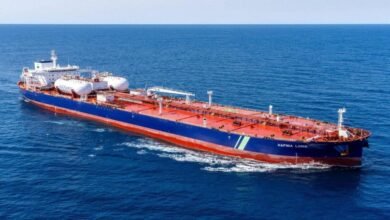
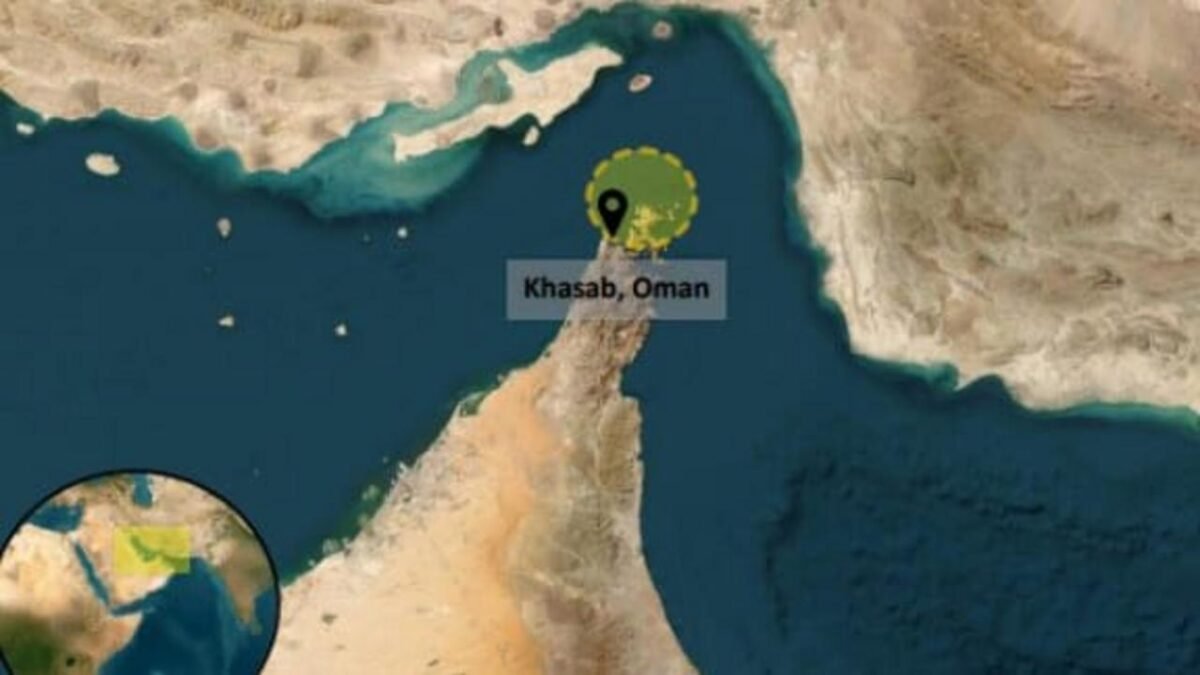
The UK Maritime Trade Operations (UKMTO) has reported an incident involving a vessel struck by an unknown projectile 12 nautical miles off Khasab, Oman, on August 29. Notably, the tanker was inbound to the Persian Gulf when the strike occurred, signaling an apparent tactical shift by Iran to target vessels entering the critical waterway.
UKMTO issued its delayed report on August 30, confirming information received from military authorities. While details about the vessel were withheld, no casualties or environmental pollution were reported from the strike.
This incident comes amidst a series of reports suggesting Iran has turned its attention to inbound tankers heading toward the Persian Gulf. Iran’s WANA news agency, closely linked to the IRGC, has also issued unconfirmed reports claiming Iranian forces have turned back tankers attempting to enter the Gulf.
In its latest such report, WANA stated the Liberian-flagged crude oil tanker Ellie (also known as Lila Marseille) “abruptly reversed course” last night after entering the southern transit corridor of the Strait of Hormuz, turning back toward its point of origin.
The focus on inbound vessels marks a departure from earlier incidents, such as the August 25 strike on the Kuwaiti product tanker Al Salam II, which was hit while eastbound in the Strait of Hormuz. That incident resulted in a small hole and a fire quickly extinguished by the crew.
This shift to targeting vessels entering the Gulf, rather than those transiting or exiting, could be interpreted as an effort to directly impede oil and gas exports by making access challenging for incoming tonnage. It also potentially serves as a response to U.S. claims regarding demining efforts and building momentum in the Strait. The targeting of inbound vessels, particularly those approaching the Gulf entrance near Khasab, fundamentally alters the risk profile for commercial shipping. This expanded zone of operational risk, potentially augmented by unconfirmed reports of vessels being turned back, aims to disrupt access to the Persian Gulf rather than merely harassing transit, compelling a re-evaluation of entry procedures and security risk assessments for all vessels bound for the region’s energy terminals.