Iran Permits Iraqi Oil Tankers Through Hormuz | Mariner News
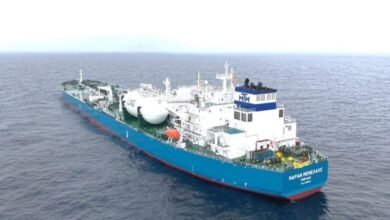
Iran has granted permission for a number of Iraqi oil tankers to pass through the Strait of Hormuz. This significant development follows repeated requests from Baghdad, according to Iran’s state news agency IRNA.
The approval comes amidst ongoing efforts by Iraq to secure its maritime export channels and navigate the complexities of regional shipping. The Strait of Hormuz is a vital chokepoint for global oil shipments, and access is critical for oil-producing nations in the region.
Key Discussions Pave the Way
IRNA reported that obtaining special permission for Iraqi tankers was a primary request from Baghdad during Iranian parliament speaker Mohammad Baqer Qalibaf’s recent visit to Iraq.
Iraqi President Nizar Amedi confirmed on Saturday that Iran had facilitated the passage of vessels carrying Iraqi oil through the Strait in recent days. President Amedi also stated that Baghdad had discussed the export of Iraqi oil through Hormuz with Iranian officials.
However, Amedi, speaking at the Baghdad Dialogue policy conference, acknowledged that the issue remains complicated despite the recent permissions.
Challenges in the Strait
Iraq has historically been among the countries most affected by Iran’s effective closure of the Strait of Hormuz. Maritime traffic in the critical waterway remains significantly below pre-war levels, and ships continue to face security challenges in the area.
Before the outbreak of the Iran war, Iraq produced approximately 4 million barrels of oil per day. The stability and accessibility of its export routes are paramount for its economy and international energy supply.
Diversifying Export Routes
In addition to seeking clearer passage through the Strait of Hormuz, Iraq is actively working to expand its oil exports through alternative channels. These efforts include increasing shipments via Turkey’s Ceyhan port.
Baghdad is also exploring the possibility of beginning oil exports through Syria’s Baniyas port, indicating a strategic push to diversify its options and reduce reliance on any single route.