

Iran Crude Loadings Halt as AIS-Visible Tanker Fleet Sits Idle
Iran-linked tankers in the Middle East Gulf have not loaded crude since mid-September, with floating storage now largely depleted across Asia.
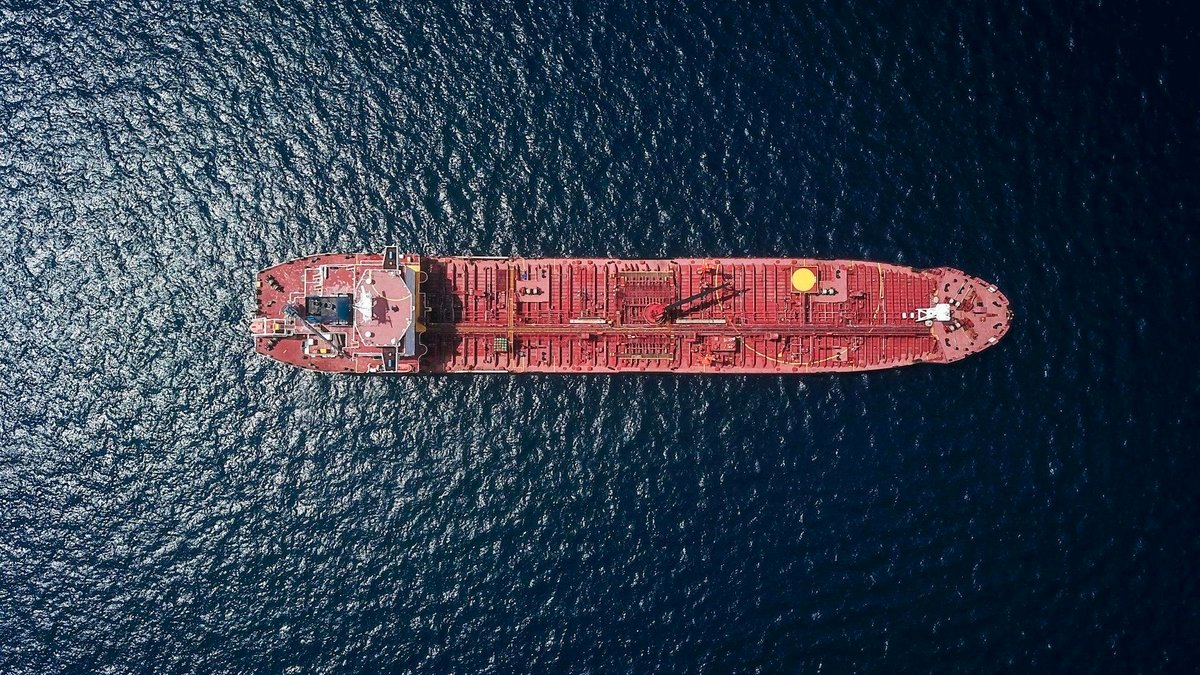
Iranian crude oil exports appear to have reached a standstill, with no AIS-transmitting tankers in the Middle East Gulf recording a loading-related draft change since September 17, 2026. The six-week hiatus, confirmed by Windward Maritime AI data and satellite imagery, indicates a severe disruption in the logistics chain for Iran-linked tonnage.
The halt in activity follows a period of already diminished exports. Between late July and mid-September, only seven AIS-transmitting tankers loaded approximately 6 million barrels, a pace of roughly 113,000 barrels per day. Satellite monitoring of Kharg Island terminals from September 18 to November 1 further confirms the absence of dark tankers at loading berths, while nine vessels remain stationary in the anchorage east of the island.
Depleted Floating Storage and Idle Capacity
Perhaps more critical for the global market is the state of Iran’s external floating storage. Of the 140 Iran-linked tankers broadcasting AIS outside the Gulf, 115 are currently in ballast. Major holding areas off Malaysia, Sri Lanka, and Pakistan are largely empty, with only three of 76 tankers in those regions currently laden.
This depletion of offshore inventory removes Iran’s primary buffer against export volatility. With only 9.6 million barrels currently in transit toward Asia—mostly destined for China—the lack of fresh loadings in the Gulf suggests that the shadow fleet is running out of available cargo to deliver, creating a looming supply gap for its regular buyers.
Operational Risks and Production Constraints
Inside the Gulf, 47 tankers identified as owned by the National Iranian Oil Company (NIOC) or the National Iranian Tanker Company (NITC), or otherwise linked to Iranian trade, sit with significant spare capacity. Among the 25 vessels still transmitting AIS, 15 are in ballast, including 11 VLCCs representing 24 million barrels of empty space.
The persistent lack of loading activity despite this available tonnage points to three potential scenarios: crude is being diverted to onshore storage at Kharg Island, tankers are loading exclusively in the dark between satellite passes, or Iran has begun cutting production.
If onshore tanks reach capacity, the operational implications become severe. Sustained export halts would eventually necessitate capping wells, a move that risks long-term reservoir damage and significantly increases the cost and technical complexity of restoring output in the future. The longer the loading gap persists, the more likely it is that Iran will face these permanent infrastructure risks.
Source: MarineLink