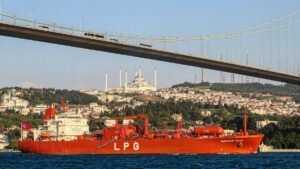
Iran Claims LNG Tanker Hit Naval Mine as 200 Ships Wait at Hormuz

Iran reports an LNG tanker fire in the Strait of Hormuz, linking the waterway's reopening to the lifting of a US naval blockade.
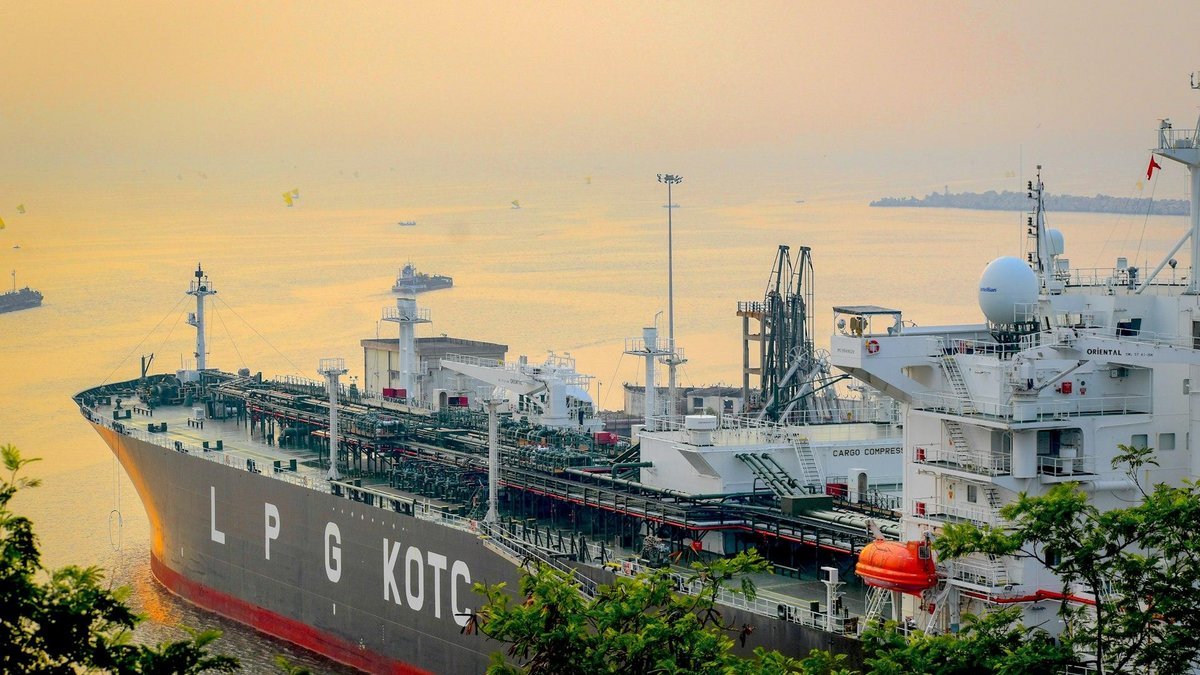
Iran’s Revolutionary Guards claim an LNG tanker caught fire after striking a naval mine in the Strait of Hormuz on November 25, a development that leaves more than 200 commercial vessels waiting east of the strategic waterway. The incident follows Iranian warnings that ships entering prohibited areas without coordination face heightened risks from upgraded military surveillance systems.
The Revolutionary Guards Navy stated the unnamed tanker had disabled its Automatic Identification System (AIS) and ignored warnings before the explosion. While the vessel reportedly came to a standstill, Iranian authorities have not released the ship’s name, crew status, or the extent of the damage. This report follows similar claims earlier the same day involving two oil tankers.
Independent verification of these mine strikes remains elusive. The United Kingdom Maritime Trade Operations (UKMTO) reported an unknown projectile exploding near a tanker 50 nautical miles west of Dubai, but noted the vessel was undamaged. According to the Joint Maritime Information Centre, 17 tankers have been struck in the strait since November 1, though maritime risk analysts have yet to confirm that naval mines caused these explosions.
Why it matters
The reported strikes place gas and tanker owners in an impossible operational bind. Crews in high-risk zones often switch off AIS to avoid being tracked, but Iranian forces are now using that lack of transparency to justify military intervention or explain away explosions as navigational accidents in prohibited zones. This creates a pretext for Iranian control over all commercial traffic passing through the strait.
For charterers and traders, the backlog of 200 vessels east of the waterway represents a massive disruption to global energy flows. Iran has explicitly tied the resumption of normal shipping to political demands, specifically the lifting of a US naval blockade on Iranian ports. This transforms the strategic waterway from a free navigation route into a bargaining chip in a diplomatic standoff.
The discrepancy between Iranian claims and independent reports from agencies like the UKMTO suggests a high degree of information warfare. Until independent analysts verify the presence of naval mines, insurers and owners must weigh the risk of physical damage against the risk of being caught in a de facto blockade enforced by unverified threats.
What to watch
The primary trigger for a resolution is a proposal sent through Qatari mediators. Iran has offered to reopen the waterway within 48 hours if the US meets its conditions regarding the naval blockade.