Iran admits U.S. naval blockade is unbreakable for now

Pro-regime analysis concludes Iran cannot defeat U.S. naval forces, signaling prolonged trade disruption and economic pressure for the region.
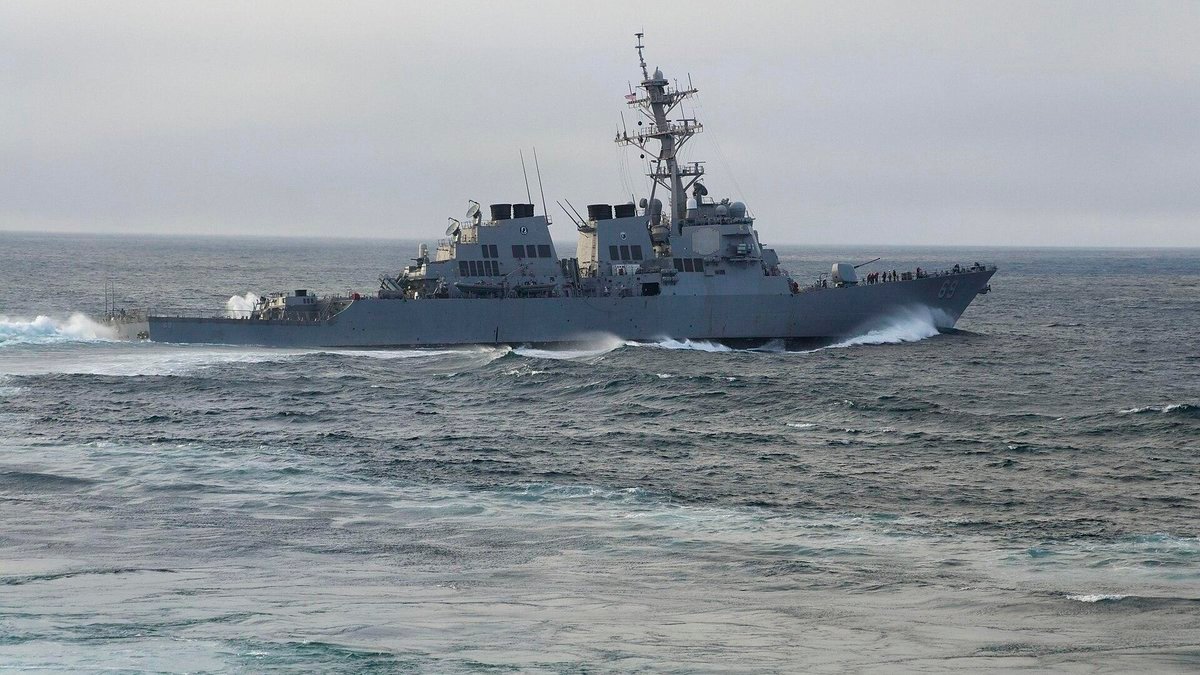
A rare admission from a pro-regime news agency in Tehran confirms that Iran has no feasible way to break the U.S. naval blockade in the short-to-medium term. The analysis signals a prolonged period of economic strangulation and a shift toward low-level maritime attrition as the U.S. maintains its layered surveillance and warship deployments.
The analysis by WANA News Agency acknowledges that direct attacks on U.S. assets are impractical due to Iranian surveillance limitations and the defensive advantages of U.S. ships in open water. While the agency notes that a high-casualty attack remains a political option, it concludes that Iran’s only practical military path is a slow grinding down of U.S. resources through low-level attacks. Iranian media outlets are simultaneously emphasizing the increased range of ballistic missiles capable of reaching European targets.
This military stalemate coincides with deepening economic distress. According to the Statistical Center of Iran, consumer prices in October were 88.7 percent higher than a year earlier, while food and beverage prices rose 112.6 percent. In response to these pressures and border delays, Iranian truck drivers have entered the fifth day of a strike across 18 cities.
Internal political friction is also mounting. The ruling elite is reportedly split between hardliner and gradualist factions, with the Supreme Leader increasingly siding with the Paydari hardliners. This shift has led to a 10-month prison sentence for Hamid Rasaei, a leading parliamentarian, for attacking Chief Negotiator Mohammad Bagher Ghalibaf, signaling a breakdown in the consensual approach that previously governed Iranian policy.
Why it matters
For shipowners and charterers, this admission means there is no relief in sight for the operational risks and economic sanctions currently choking Iranian trade. The U.S. Treasury’s Operation Economic Outcast and Task Force Iron Gate are likely to remain permanent fixtures, keeping Iranian ports largely off-limits to mainstream international shipping. The admission of naval inferiority suggests Iran will continue to rely on tactics including the harassment of commercial vessels and infrastructure in the Gulf, rather than direct naval confrontation.
The shift toward a strategy of attrition increases the long-term threat to regional maritime infrastructure. While the United Arab Emirates has indicated it is prepared to accept some damage to dismantle the threat of regional expansionism, the risk of collateral damage to tankers and terminals remains high. Insurers and operators must price in a permanent state of low-level conflict. The internal political instability, the 112.6 percent rise in food prices, and the threat of long-range missile strikes against European targets further increase the risk of sudden escalations that could disrupt global trade lanes.
What to watch
The duration of the Iranian truck driver strike and any escalation in Israeli military activity against Iranian assets will indicate whether the current stalemate holds or collapses into wider conflict.