Bremen and Montevideo Sign Port Cooperation Deal

Bremen and Uruguay’s National Port Administration have signed a declaration to align on port decarbonization, digitalization, and infrastructure.
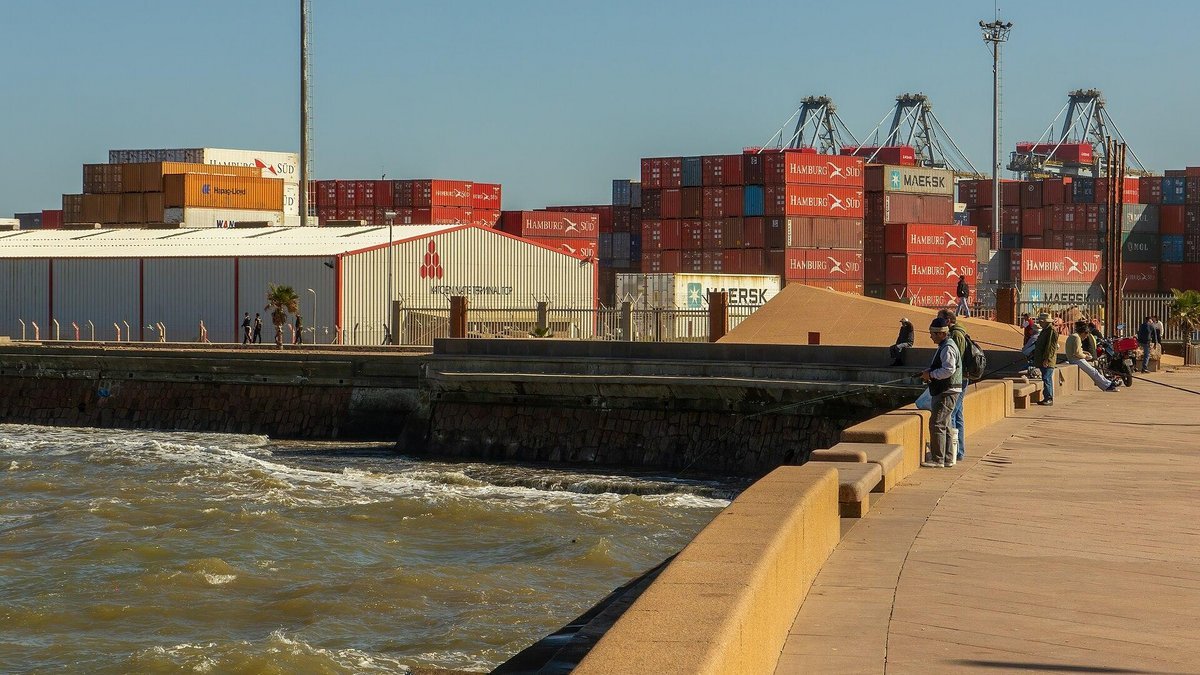
The Free Hanseatic City of Bremen and Uruguay’s National Port Administration signed a joint Declaration of Intent in Montevideo on 21 November 2026. The agreement aims to align port management, logistics, and maritime trade strategies between the two regions.
Kristina Vogt, Senator for Ports, signed for the Bremen Senate, while Stefan Färber, Head of Port Development at bremenports, represented the Uruguayan side. The partners intend to establish a formal cooperation framework in the near future, subject to legal and administrative requirements.
The agreement covers technical and operational priorities, including shore-side power, port energy supply, water depths, and digitalization. Both parties also identified the development of infrastructure for alternative fuels and climate-neutral shipping as a primary objective.
Why it matters
For shipowners and terminal operators, this partnership signals a push toward standardized infrastructure for green shipping corridors. By aligning on decarbonization and alternative fuel infrastructure, Bremen and Montevideo are positioning themselves to serve the same vessels with consistent operational requirements, potentially reducing the technical hurdles for carriers operating between the MERCOSUR region and Northern Europe.
The focus on renewable energy integration is particularly relevant given Uruguay’s existing electricity profile. As Bremen seeks to modernize its port operations, the exchange of knowledge with a partner already generating nearly all of its electricity from renewable sources provides a template for scaling port-side energy infrastructure. For logistics providers, this institutional link offers a more predictable regulatory and technical environment for trade between the two regions, which Bremen officials explicitly identified as a priority amid shifting geopolitical conditions.
What to watch
The next concrete step is the establishment of a formal cooperation framework, which will define the specific legal and administrative mechanisms for the exchange of services and best practices.