India vets Danish green ammonia engines and shore power for 2047 goals

India’s maritime ministry is vetting Danish green ammonia engines and port electrification to meet its 2047 decarbonization targets.
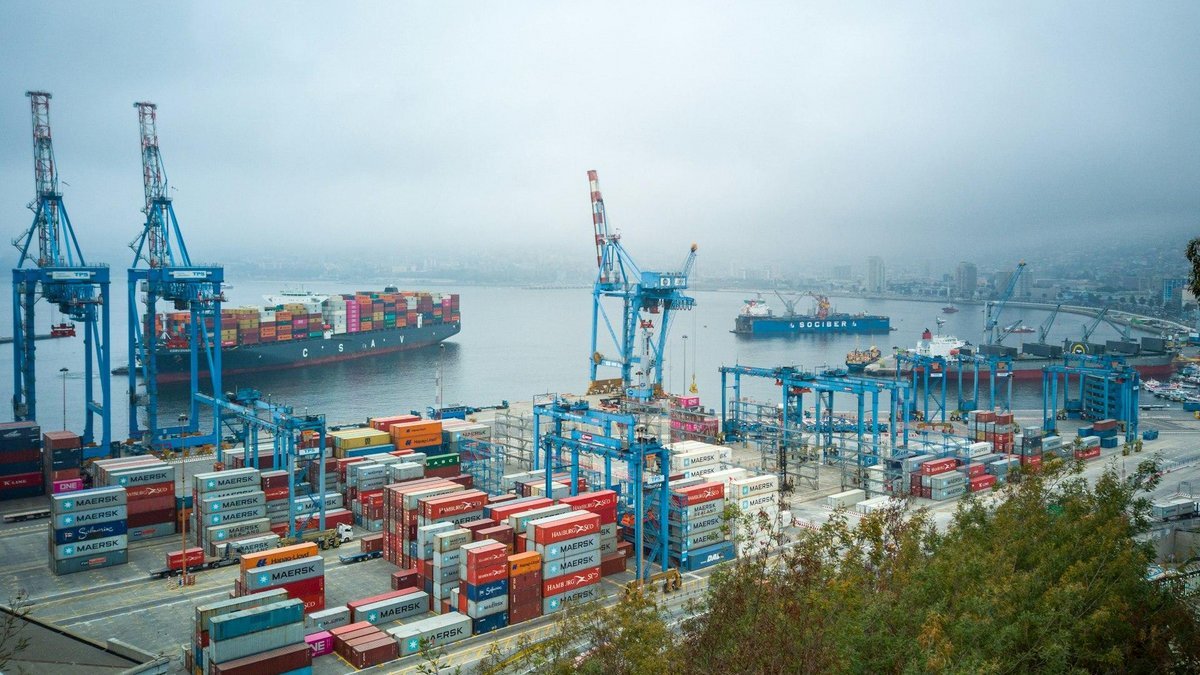
India is vetting Danish green ammonia engine technology and shore-power models to anchor its 2030 and 2047 maritime decarbonization targets. The high-level ministerial visit to Everllence and the Port of Copenhagen signals that New Delhi is moving beyond policy frameworks toward selecting the specific propulsion and infrastructure standards for its future fleet and terminals.
Shri Shantanu Thakur, India’s Minister of State for Ports, Shipping and Waterways, led a delegation to Everllence to examine next-generation green ammonia-based marine engines. Bjarne Foldager, Senior Vice President at Everllence, presented the company’s two-stroke engine capabilities and existing Indian collaborations. The visit included a technical tour of facilities developing alternative-fuel propulsion systems designed to reduce shipping emissions.
The delegation also met with Karina Lorentzen Dehnhardt, Denmark’s Minister of Urban and Rural Affairs and Transport, at the Port of Copenhagen. Discussions focused on the operational requirements for Onshore Power Supply (OPS), which allows berthed vessels to shut down auxiliary engines and connect to the local grid. The exchange covered port electrification, bunkering infrastructure for green fuels, and the management of sustainable port operations.
These engagements align with the Maritime Amrit Kaal Vision 2047, India’s roadmap for modernizing its maritime sector. The push for green infrastructure is already materializing domestically, with the Jawaharlal Nehru Port Authority (JNPA) recently awarding a ₹76.92 crore shore power project at its GTI Terminal.
Why it matters
India’s focus on green ammonia engines suggests that future domestic shipbuilding and fleet renewal programs will likely favor this fuel pathway. For shipowners and builders, this indicates that ammonia-ready designs could soon become a requirement for securing long-term Indian charters or government-backed projects. The commercial viability of these vessels will depend on the safety standards and fuel infrastructure India develops in coordination with Danish partners.
The emphasis on the Port of Copenhagen’s electrification model points to a shift in terminal requirements. Port operators in India should prepare for mandatory shore-power installations. The JNPA’s recent ₹76.92 crore investment confirms that OPS is no longer a theoretical goal but a funded infrastructure priority. This will force owners of vessels calling at major Indian ports to invest in ship-side electrification equipment to maintain terminal access.
By vetting Danish technology, India is positioning Denmark as a primary technical partner for its green transition. This cooperation likely means Danish engineering standards for engines and bunkering will influence Indian regulatory frameworks. Technology providers and insurers will need to track how these standards are integrated into Indian maritime law to assess risk and compliance for newbuilds.
What to watch
The next trigger is the development of safety and bunkering protocols for green ammonia in Indian ports, which will determine the speed of commercial adoption for ammonia-fueled vessels. Additionally, the rollout of shore power projects across other major Indian ports following the JNPA award will signal the pace of mandatory electrification for the regional fleet.