Viking takes delivery of first hydrogen-powered cruise ship

Viking Libra enters service with liquefied hydrogen fuel cells, setting a zero-emission precedent for cruise operations in sensitive waters.
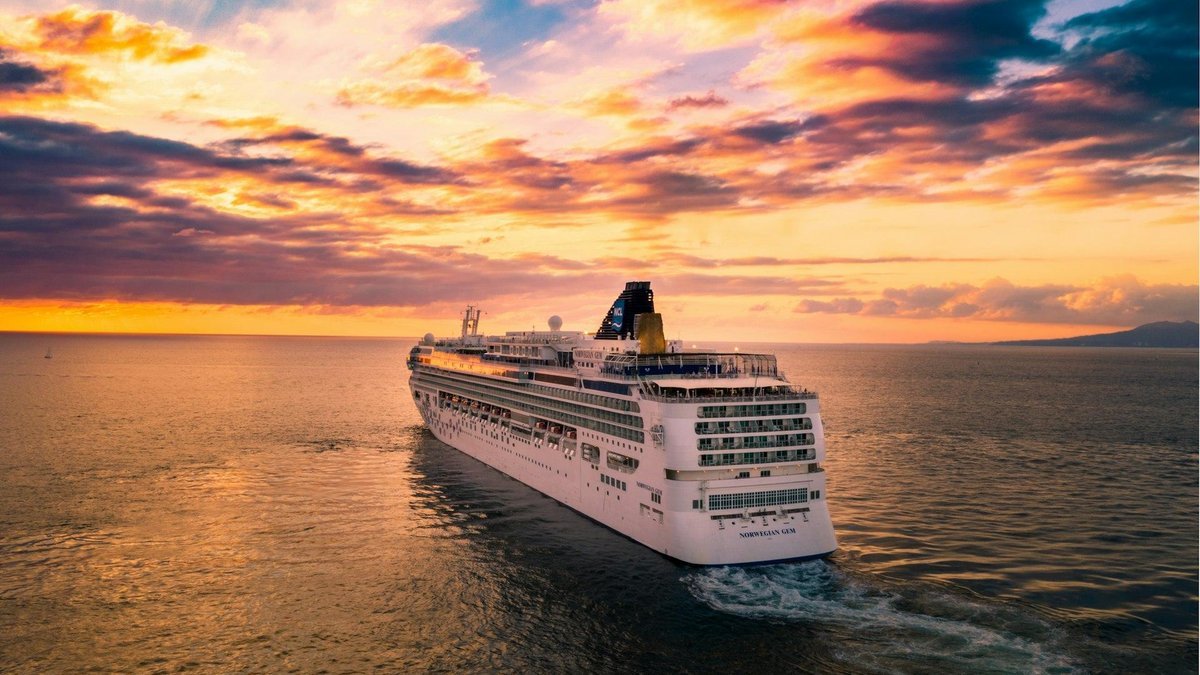
Viking has taken delivery of the Viking Libra, the first cruise ship to integrate liquefied hydrogen and fuel cells, establishing a commercial precedent for zero-emission operations in emission-restricted waters.
Fincantieri handed over the 54,300 GT vessel at its Ancona shipyard on 25 November 2026. The ship carries up to 998 passengers and uses its hydrogen-based propulsion and power systems to eliminate emissions during operations in environmentally sensitive areas. Norton Rose Fulbright advised the lenders on the financing, which involved BNP Paribas, a syndicate of international banks, and Italian export credit agencies SACE and SIMEST.
Why it matters
The delivery shifts hydrogen from a pilot-project curiosity to a commissioned asset in a major fleet. For cruise owners, this provides a blueprint for maintaining access to regions where emission rules are tightening. By using liquefied hydrogen and fuel cells for zero-emission operations in these zones, Viking protects its ability to service high-value, environmentally protected destinations.
The financing structure proves that export credit agencies are now willing to underwrite the technical risks of liquefied hydrogen. The involvement of SACE and SIMEST de-risks the capital expenditure for other owners. This support is essential for the cruise sector, where the high cost of emerging technology often stalls investment in green propulsion.
The vessel’s design also confirms the current limits of the technology. Because the Viking Libra is not designed to rely exclusively on hydrogen for all operations, it suggests that fuel cells remain a localized solution for port stays or sensitive passages. For now, the industry lacks the energy density or supply chain required to move large cruise ships away from traditional power systems for entire voyages.
What to watch
The vessel’s performance during its initial deployment will provide the first commercial data on the reliability of liquefied hydrogen systems in the cruise sector.