

India Scraps Vessel Age Limits to Cut Foreign Shipping Reliance

India relaxes vessel age norms, allowing ships over 20 years to join the registry to reduce dependence on foreign carriers for energy imports.
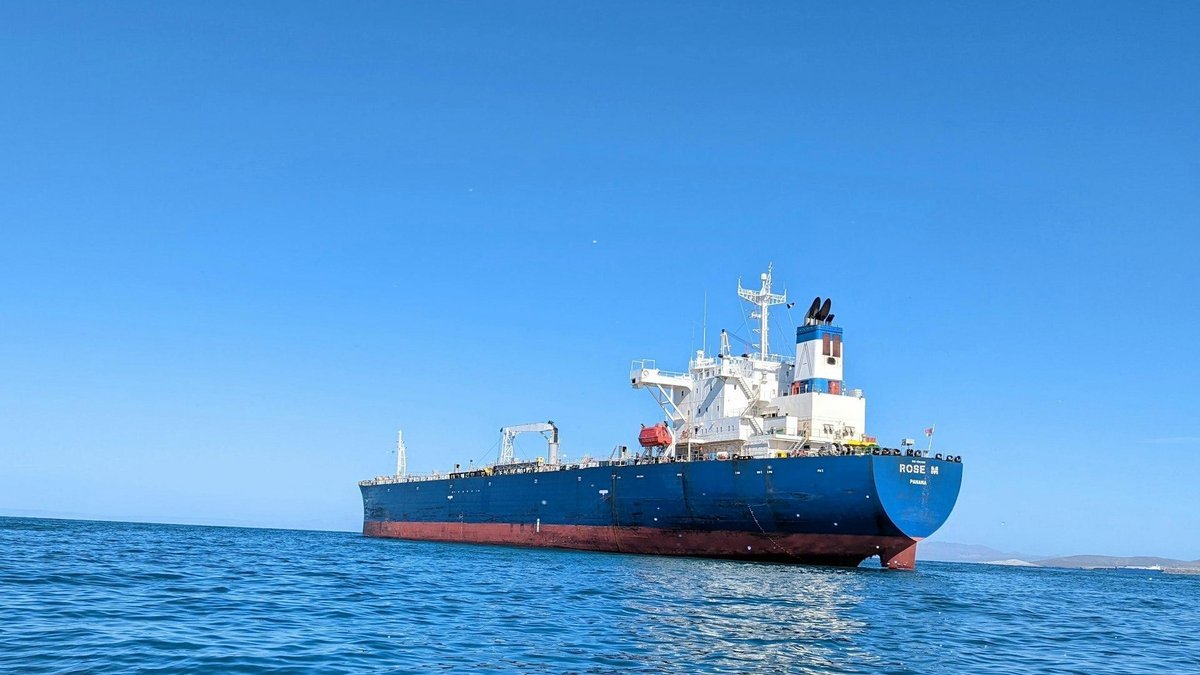
India has relaxed its vessel age norms to allow ships older than 20 years into its national registry, reversing a policy introduced earlier this year to prioritize domestic fleet expansion over a younger fleet profile.
The Directorate General of Maritime Administration (DGMA) issued Order No. 31 of 2026 on November 18, introducing a five-member technical committee to assess older vessels on a case-by-case basis. Under the revised framework, oil tankers, bulk carriers, general cargo vessels, and offshore ships over 20 years old are now eligible for entry into the Indian registry and for licenses under the Coastal Shipping Act, 2025.
The policy introduces specific technical tiers for different segments. Oil tankers between 15 and 20 years must meet Condition Assessment Programme (CAP) ratings, while container and cement carriers aged 20 to 25 years require specific compliance inspections. Gas and chemical carriers in the 20-to-25-year bracket must fulfill condition-rating requirements for hulls, machinery, and cargo systems.
Crucially, the DGMA has removed exit-age restrictions for existing Indian-flagged vessels. Registered ships can now continue operations regardless of age, provided they maintain safety and technical compliance standards.
Why it matters
This is a strategic retreat from earlier 2026 restrictions that aimed for a younger fleet. India is a major importer of crude, LPG, and LNG, yet it remains heavily dependent on foreign-flagged vessels to move these commodities. By lowering the barrier to entry, the government is giving Indian shipowners the green light to acquire older, lower-cost tonnage from the international market to build capacity quickly.
The shift directly benefits Indian owners competing for government-linked cargoes. Indian-flagged vessels receive priority for contracts awarded by government departments and public-sector companies. Allowing older ships to stay in the registry indefinitely means owners can sweat these assets longer, improving the economics of domestic operations where freight rates are often pressured by global capacity constraints.
The move also serves as a hedge against geopolitical uncertainty. By expanding the domestic fleet, New Delhi aims to insulate its supply chains from fluctuations in global freight markets and the availability of foreign carriers. However, the burden of proof now shifts to the new technical committee, which must ensure that an aging fleet does not lead to a rise in maritime safety incidents or environmental risks.
What to watch
The first recommendations from the five-member technical committee will determine how strictly the DGMA intends to police the technical condition of 20-plus-year-old tankers entering the registry.