Hormuz Shutdown Biofouling & Invasive Species Risk | Mariner News
The Strait of Hormuz, a critical choke point for global maritime trade, recently faced an unprecedented challenge: a silent, creeping biological threat. For months, a significant portion of the global fleet idled in the Arabian Gulf, leading to massive marine growth on vessel hulls. This extensive biofouling from the Hormuz shutdown now poses a major invasive species risk, setting the stage for what experts warn could be the largest marine bioinvasion event in modern history. As these vessels resume operations and traverse oceans, they carry not just cargo, but thriving communities of non-native species, threatening port ecosystems globally and demanding urgent attention from the maritime industry and environmental agencies.
The Unprecedented Scale of Hormuz Biofouling Accumulation
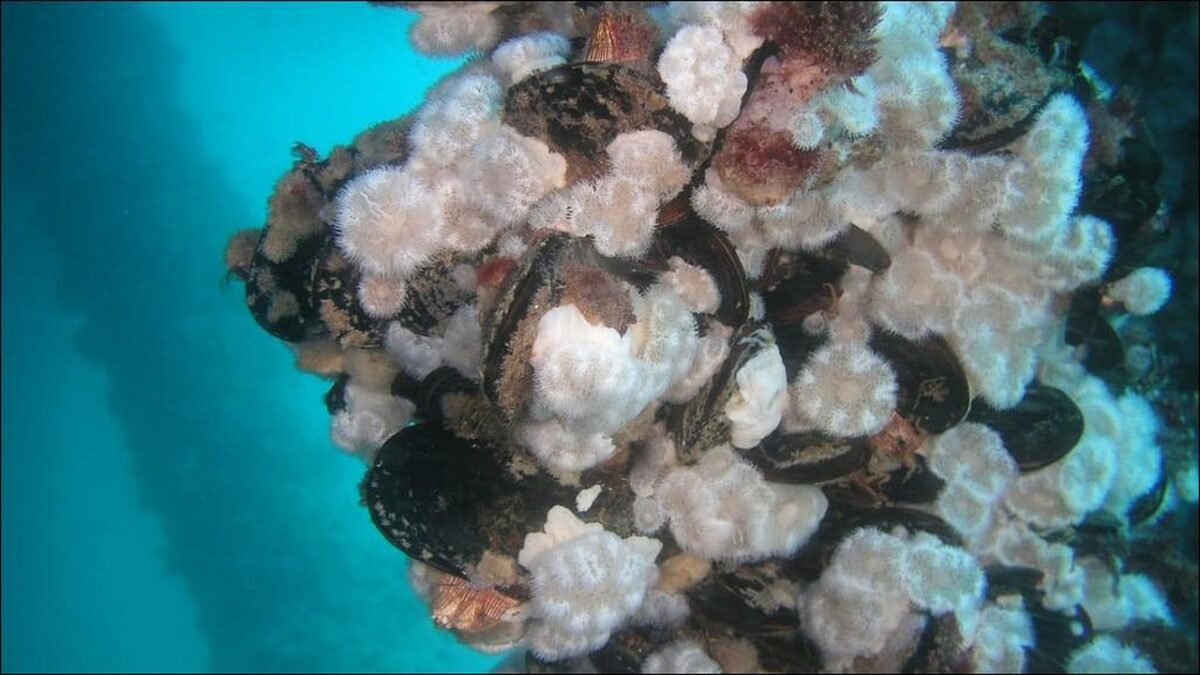
The temporary halt of regular maritime traffic through the Strait of Hormuz forced an estimated 1,500 merchant ships to anchor or lie idle for extended periods within the Arabian Gulf. This prolonged stationary period in a highly productive marine environment created ideal conditions for prolific marine growth. Unlike typical short-term port stays, the Hormuz standoff was an unexpected, lengthy event, catching many operators unprepared for the intense hull fouling. The Gulf’s warm temperatures and rich nutrients accelerated the development of diverse fouling organisms, from barnacles to algae.
While biofouling accumulation was initially seen as an operational hurdle impacting fuel consumption, the environmental implications, particularly concerning non-native species, are proving far more profound. The sheer number of affected vessels, combined with duration and specific environmental conditions, has transformed a logistical issue into a critical global maritime biosecurity concern, highlighting a major vulnerability for the shipping network.
Biofouling: A Pathway for Invasive Marine Species
Biofouling serves as a primary vector for translocating invasive marine species across oceans. When ships lie idle, their hulls become living ecosystems, collecting organisms from the local environment. These non-indigenous species attach to submerged surfaces, forming complex communities. As vessels sail to new ports, they introduce these organisms into new environments, often lacking natural predators, leading to significant ecological imbalances.
Many organisms thriving under intense fouling pressure in the Arabian Gulf are robust and adaptable, making them ideal candidates for establishing populations elsewhere. Environmental scientists confirm hull biofouling as a major pathway for marine biological invasions. The concern from the Hormuz situation stems not just from the presence of fouling organisms, but the diversity and volume of species that had months to mature and reproduce. These established communities are more resilient, more likely to survive transit, and successfully colonize new waters, posing an ecological threat beyond immediate shipping lanes.
Regional and Global Biosecurity Threat
Environmental scientist Prof. Mario Tamburri aptly described the Hormuz shutdown scenario as a ‘perfect storm’ for marine bioinvasions. In a journal paper, he and his colleagues highlighted this as the ‘largest single forced shutdown for the global fleet in modern history,’ with 1,500 merchant ships accumulating substantial biofouling for months. The combined factors—extensive biofouling growth, species accumulation, and the immense number and global reach of affected vessels—have created an international biosecurity threat.
Once these vessels depart the Arabian Gulf, they become ‘super-spreaders,’ dispersing newly acquired non-native species to coastal ecosystems worldwide. Regions with similar climates or significant maritime connections are particularly vulnerable. The challenge extends further as ships with existing hull fouling from other regions will have also picked up new species within the Gulf, creating complex, multi-layered invasion risks. Preventing such widespread introductions is crucial, as managing established invasive species incurs astronomical and often irreversible economic and ecological costs. This threat underscores the interconnectedness of global maritime trade and delicate marine ecosystems.
Economic and Environmental Fallout of Marine Invasions
The consequences of widespread marine invasive species introductions are severe, impacting both environment and economy. Environmentally, non-native species can outcompete indigenous species, alter food webs, degrade habitats, and introduce diseases, leading to biodiversity loss and ecosystem collapse. Fragile coastal ecosystems, like coral reefs, are especially susceptible. Economically, biological invasions incur staggering costs.
They cripple fisheries, damage aquaculture, clog industrial water pipes, and corrode marine infrastructure. Coastal tourism also suffers from degraded environments. The expense of monitoring, control, and eradication for established invasive species can run into billions globally, often with limited success. The Strait of Hormuz biofouling incident highlights these potential costs, underscoring the need for robust vessel management and biosecurity measures. Proactive prevention is vastly more cost-effective than reactive management. Furthermore, human health implications can arise if invasive species introduce pathogens or toxins into seafood or recreational waters.
Mitigation Strategies and Future Preparedness
Addressing the immediate and long-term invasive species risk from the Hormuz shutdown requires a multifaceted approach focused on robust biosecurity protocols and technological innovation. For vessels idled in the Arabian Gulf, immediate and thorough hull cleaning services are paramount, ideally performed in controlled environments to prevent further dispersal of fouling organisms. Ports worldwide must enhance port state control inspections, targeting biofouling on incoming vessels, especially those with prolonged anchorage in high-risk areas.
Looking forward, widespread adoption of advanced anti-fouling coatings and alternative hull treatment technologies that capture removed biofouling is critical. Rigorous enforcement of IMO Guidelines for the Control and Management of Ships’ Biofouling is also vital. Developing better real-time monitoring for marine growth and sharing vessel movement data will aid risk assessment. International collaboration among maritime authorities, scientists, and industry is essential for consistent standards and rapid response. This incident provides impetus to integrate sustainability principles into all aspects of shipping operations, making prevention of marine bioinvasions a fundamental component of responsible maritime conduct.
Lessons Learned for the Maritime Industry
The biofouling crisis from the Hormuz shutdown serves as a profound lesson learned for the entire maritime industry. It underscores vulnerabilities of global shipping operations to geopolitical disruptions and their cascading environmental consequences. The potential for a marine bioinvasion ‘super-spreader’ event necessitates re-evaluating current vessel management practices, especially for prolonged lay-ups in biologically rich areas. Beyond the immediate threat, this incident highlights the critical nexus between maritime biosecurity and broader environmental sustainability goals.
Shipowners, operators, port authorities, and regulatory bodies must work in concert to implement more resilient and ecologically sound strategies. This includes investing in superior anti-fouling solutions and rigorous hull maintenance schedules, alongside fostering a culture of proactive environmental stewardship. The economic incentives for minimizing biofouling—reduced fuel consumption and operational costs—now align powerfully with the urgent need to protect global marine biodiversity. By embracing innovation, strengthening international cooperation, and prioritizing biosecurity measures, the shipping sector can mitigate future invasive species risks and safeguard our oceans, ensuring the long-term viability and sustainability of maritime trade.