Hapag-Lloyd Invests in APM Rotterdam Terminal | Mariner News
Introduction: Hapag-Lloyd’s Strategic Investment in Rotterdam’s Future
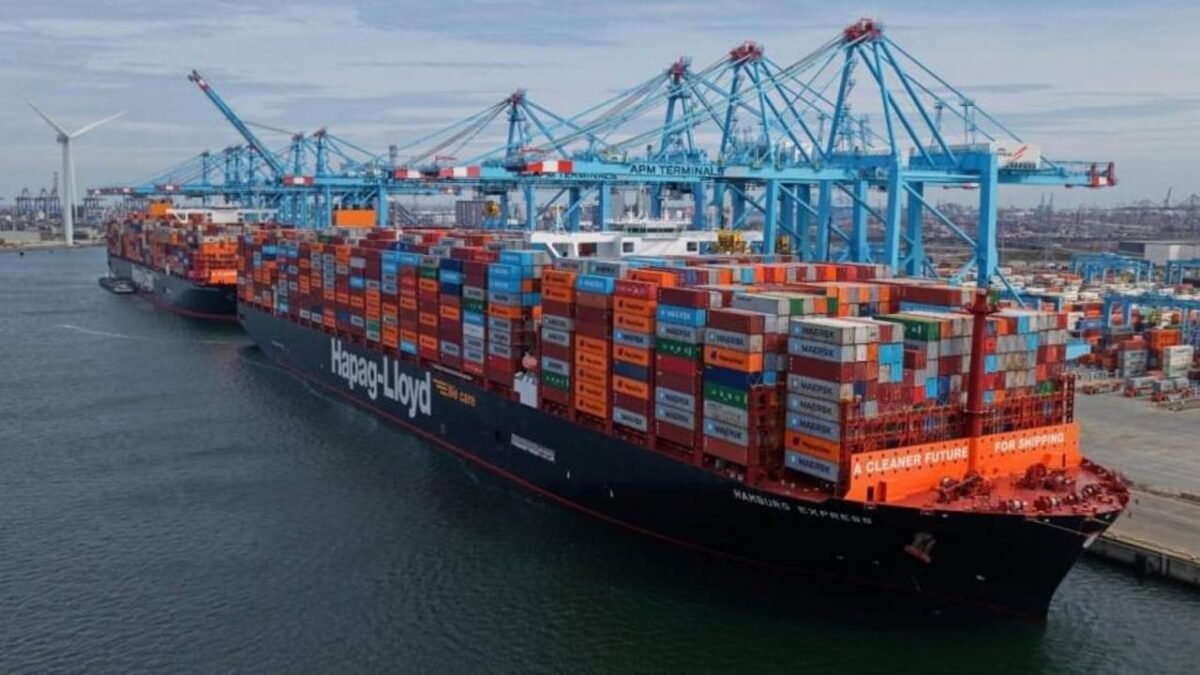
Hapag-Lloyd, a leading global container shipping company, has made a significant strategic move to bolster its operational efficiency and expand its global network. The Hamburg-based carrier is acquiring a 25 percent stake in APM Terminals Maasvlakte II, a state-of-the-art facility within the bustling Port of Rotterdam. This Hapag-Lloyd investment in APM Terminals Rotterdam exemplifies a growing trend in the maritime industry where leading shipping lines integrate deeper into crucial port infrastructure.
Such strategic partnerships are paramount for driving growth and securing competitive advantages in global logistics. Demand for robust, reliable supply chains intensifies, making optimizing operations and ensuring seamless global trade flows critical. The Port of Rotterdam, a pivotal European gateway, is ideal for this collaboration, reinforcing its position as a global logistics powerhouse and significantly impacting container shipping.
The Strategic Partnership with APM Terminals Maasvlakte II
The agreement between Hapag-Lloyd and Maersk’s APM Terminals marks a critical development for both entities within the competitive container shipping sector. Hapag-Lloyd’s acquisition of a quarter-share in APM Terminals Maasvlakte II aligns with its strategy to cultivate a resilient portfolio of terminal investments. This grants the carrier greater influence over critical nodes in its shipping network, ensuring more controlled and efficient vessel turnarounds.
For APM Terminals, bringing in Hapag-Lloyd as a partner reinforces the terminal’s long-term viability and strategic importance. It guarantees sustained cargo volumes and shared developmental goals for this key Rotterdam container terminal. This symbiotic relationship fosters innovation and operational efficiency, contributing to a robust global supply chain.
APM Terminals Maasvlakte II: A Beacon of Automation and Sustainability
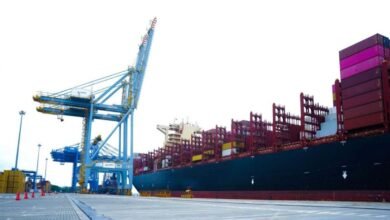
Operational since 2015, APM Terminals Maasvlakte II distinguishes itself as a benchmark for modernity and technological advancement in the global maritime industry. Acclaimed as the world’s most advanced fully automated terminal, this facility in the Port of Rotterdam is engineered to handle the largest containerships, addressing demand for mega-vessel accommodation.
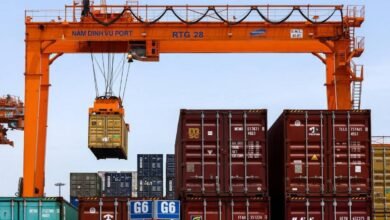
Its impressive automation sees approximately 80 percent of crane movements performed autonomously, with remaining manual operations managed remotely, enhancing safety and optimizing throughput.
Beyond cutting-edge technology, the terminal boasts an exemplary environmental profile, operating as a CO2 emission-free facility. This commitment to sustainable shipping is realized through exclusive reliance on wind-generated electricity and a comprehensive fleet of electric equipment. This holistic approach significantly curtails its carbon footprint, setting a high standard for responsible port operations worldwide.
Driving Future Growth: Capacity Expansion Details
The ongoing expansion at APM Terminals Maasvlakte II, initiated in early 2025, is a strategic response to anticipated growth in global container traffic and the terminal’s escalating importance. This substantial upgrade amplifies its role as a key European gateway, enabling it to manage increasing cargo volumes with unparalleled efficiency.
A cornerstone is the addition of an extra 1,000 meters of deep-sea berth, effectively doubling the total to an impressive 2,000 meters. This enhancement allows for simultaneous accommodation of multiple ultra-large container vessels, reducing waiting times and accelerating vessel turnaround.
Further augmenting capabilities, the expansion includes a substantial increase in yard capacity and four additional rail tracks, boosting intermodal connectivity for swifter cargo distribution into the European hinterland. Physical enhancements are complemented by deploying more Automated Terminal Tractors (ATTs) and advanced automated equipment, streamlining internal logistics and elevating overall throughput.
With these comprehensive upgrades, the terminal is projected to achieve an annual handling capacity of 5.4 million TEU. This bolsters Maasvlakte II’s operational resilience and significantly enhances its ability to support future cargo flows through the vital Port of Rotterdam.
Hapag-Lloyd’s Vision and Network Enhancement with Gemini Cooperation
For Hapag-Lloyd, this strategic investment in the Rotterdam container terminal is deeply intertwined with its overarching vision for global network optimization and customer satisfaction. CEO Rolf Habben Jansen consistently underscores the pivotal role of terminal partnerships in achieving operational excellence. He stated, “With the planned investment in Rotterdam, we will further enhance the efficiency and reliability of our network,” highlighting direct benefits for the carrier’s global operations and clientele.
The Maasvlakte II terminal is identified as a cornerstone for the “Gemini Cooperation,” a groundbreaking strategic alliance Hapag-Lloyd is forging with Maersk, slated for 2025. This cooperation is engineered to deliver exceptional schedule reliability and efficiency, built on optimized networks and tightly integrated port strategies. By holding a significant stake, Hapag-Lloyd secures influence and operational assurance beyond standard contractual agreements.
This ownership empowers the carrier to more effectively align terminal services with its vessel schedules and customer demands, mitigating delays and elevating overall service quality. This strategic vertical integration provides Hapag-Lloyd with a distinct competitive advantage, enabling more predictable and robust shipping solutions.
Broader Impact on Global Container Shipping and Logistics
The Hapag-Lloyd investment in APM Terminals Rotterdam carries profound implications for the wider global container shipping and logistics industry. This strategic partnership exemplifies increasing vertical integration, where major carriers invest in port infrastructure to guarantee capacity and refine supply chain operations. Such proactive measures create ripple effects, influencing competitive dynamics and market positioning.
For the Port of Rotterdam, this investment further entrenches its status as a critical European gateway. Expanded capabilities at Maasvlakte II will attract more mega-vessel calls, reinforcing its pivotal role as a transshipment hub and crucial entry point for European goods. Increased capacity and efficiency contribute significantly to global supply chain resilience.
This development might compel other carriers to explore similar integration strategies. The investment emphatically underscores the persistent focus on reliability in container logistics, as flawless port operations are foundational to meeting stringent customer expectations regarding transit times and schedule adherence.
Conclusion: Paving the Way for Future Maritime Excellence
Hapag-Lloyd’s strategic acquisition of a 25 percent stake in APM Terminals Maasvlakte II represents a deep commitment to fortifying its operational network, securing vital port infrastructure, and spearheading the future of sustainable, automated container shipping. This investment is a clear testament to the carrier’s ambition to drive substantial growth and enhance efficiency across its global operations, particularly with the Gemini Cooperation.
The ongoing expansion of Maasvlakte II, elevating its capacity to 5.4 million TEU and doubling its deep-sea berth length, will significantly reinforce its standing as a premier European gateway. By integrating deeper into terminal operations, Hapag-Lloyd gains unparalleled control over its supply chain, facilitating enhanced reliability and optimized service delivery for its global clientele.
The terminal’s unwavering dedication to CO2 emission-free operations and cutting-edge automation aligns with the industry’s imperative towards more sustainable logistics solutions. This strategic partnership benefits both Hapag-Lloyd and APM Terminals, contributing meaningfully to global maritime resilience and efficiency, and establishing a benchmark for future collaborations. The Port of Rotterdam, fortified by such visionary investments, is undeniably poised to continue its indispensable role in connecting and driving global markets.