

Gothenburg LBG plant to bunker 50 vessels annually from 2027
The Port of Gothenburg's new liquefaction plant will deliver 250 GWh of LBG annually to shipping and heavy transport starting in 2027.
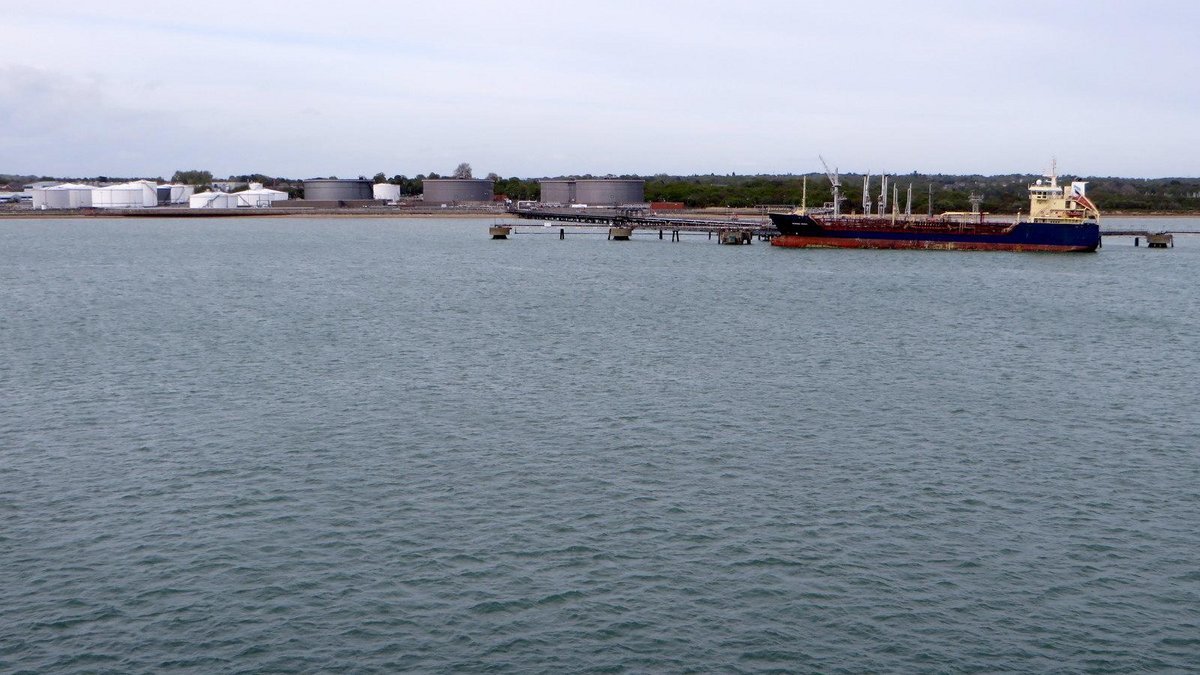
The installation of a 500-cubic-metre storage tank at the Port of Gothenburg’s new biogas liquefaction plant establishes a direct link between the Swedish gas grid and the shipping industry, promising a reliable supply of 250 gigawatt-hours of renewable fuel annually by 2027.
The 140-tonne tank arrived by vessel and will store up to 200 tonnes of liquefied biogas (LBG) once the facility is operational. The plant is the first in Sweden to connect directly to the west Swedish gas grid, allowing producers to move fuel from the grid into the maritime supply chain. Completion is scheduled for the second quarter of 2027.
The facility’s total output will be enough to bunker 50 vessels or power 500 heavy trucks every year. ST1 Biokraft has already secured a portion of the plant’s capacity through a signed agreement. Therese Jällbrink, Head of Renewable Energy at the Port of Gothenburg, stated that the growing number of vessels on order for LBG operation indicates strong potential for increased bunkering.
Why it matters
This facility addresses the logistics gap between biogas production and maritime demand. By plugging the liquefaction plant directly into the regional gas grid, the Port of Gothenburg and Nordion Energi are creating a scalable supply chain that bypasses the need for road transport to move fuel from producers to the port. This integration makes LBG a more viable, large-scale alternative to fossil fuels for regional operators.
For shipowners, the project provides a concrete timeline for decarbonization on North Sea and Baltic routes. The capacity to bunker 50 vessels per year suggests that LBG is moving from a niche pilot fuel to a predictable bunkering option for regular callers. The commitment from ST1 Biokraft shows that the commercial framework is already in place to support this volume.
The development also signals a shift for cargo owners and charterers. As more LBG-capable vessels enter the global order book, ports with direct grid-to-ship infrastructure will become preferred hubs for companies looking to reduce their Scope 3 emissions. The direct connection to the Swedish gas grid provides a level of supply security that truck-reliant bunkering cannot match.
What to watch
The plant is scheduled for completion in the second quarter of 2027, which will trigger the start of large-scale LBG bunkering directly from the Swedish gas grid.
Source: Container News