

Global maritime decarbonization slows as regulatory uncertainty grows
Sustainable Maritime Transport Outlook reveals a widening gap between European targets and global progress as hydrogen projects stall.
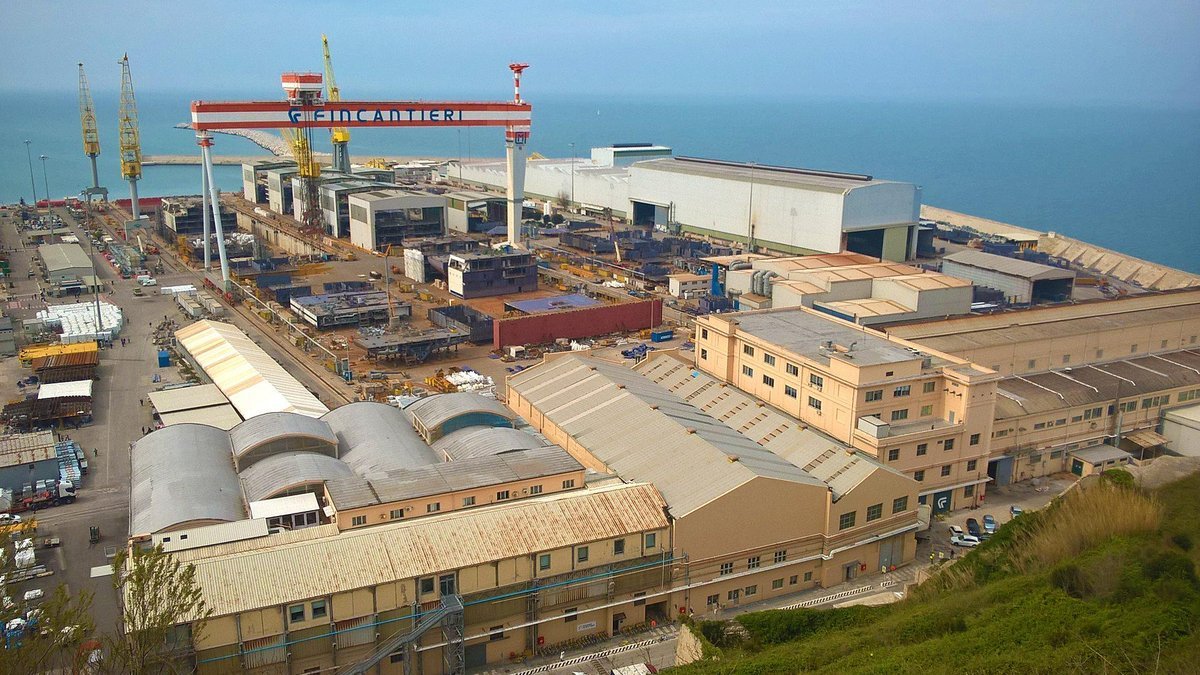
The global maritime industry faces a more uncertain path to decarbonization than it did a year ago, with a widening gap between European regulatory ambition and a slower global reality. The second edition of the Sustainable Maritime Transport Outlook, released by Eni, Fincantieri, and RINA, warns that 90% of the world’s fleet by tonnage now supports a more gradual transition, threatening to leave Europe isolated in its aggressive emissions targets.
The Outlook projects Europe will achieve an 80% reduction in emissions intensity by 2050, while the global reduction will likely reach only 40%. Regulatory uncertainty, macroeconomic conditions, and fuel availability have all deteriorated over the last 12 months. The low-emission hydrogen value chain has lost momentum, leading many maritime projects to be put on hold.
The report, supported by technical analysis from Bain & Company Italy, includes interviews with shipowners representing 40% of the container market and 20% of the cruise market. It finds that the United States has taken a position against maritime decarbonization, while the International Maritime Organization (IMO) has postponed global decisions. This leaves the industry reliant on regional rules like FuelEU Maritime while global consensus remains elusive.
Why it matters
The divergence in regulatory speed creates a two-tier market. Owners operating in European waters must comply with FuelEU Maritime targets, while those on global trades face a far less certain economic environment. This split risks distorting asset values, as vessels optimized for European compliance may carry a premium that global markets are not yet ready to pay. The lack of a global IMO agreement means the cost of compliance remains a regional burden rather than a global commodity price, complicating long-term chartering strategies.
The stalling of the hydrogen value chain forces a pivot back to bridge fuels. With synthetic fuels remaining expensive and supply chains undeveloped, shipowners are increasingly favoring mature solutions like LNG, bio-LNG, and HVO biofuels. This shift benefits companies like Eni, which is scaling HVO production, and Fincantieri, which is focusing on LNG-ready cruise ships. Shipowners are choosing pragmatism over theoretical net-zero fuels to manage immediate regulatory risks.
Economic headwinds are compounding the technological delay. Slowing growth, tariffs, and geopolitical tensions in the Strait of Hormuz increase risks to trade flows and the global economy. For insurers and financiers, these factors make the Total Cost of Ownership for alternative-fuel vessels harder to predict through 2050. The result is a steady but slow orderbook for alternative-fuel vessels, as the industry waits for infrastructure to catch up with technology.
What to watch
The next three years will determine if the “Decarbonization by 2070” scenario becomes the baseline, as Eni, Fincantieri, and RINA have committed to extending their observatory work through this period. Watch for whether the IMO can bridge the gap between European mandates and the 90% of tonnage seeking a slower pace.
Source: The Maritime Executive