Gopalpur Port launches rail-sea-rail route for bulk cargo

Gopalpur Port completes its first rail-sea-rail movement, offering bulk cargo users a multimodal alternative to traditional rail routes.
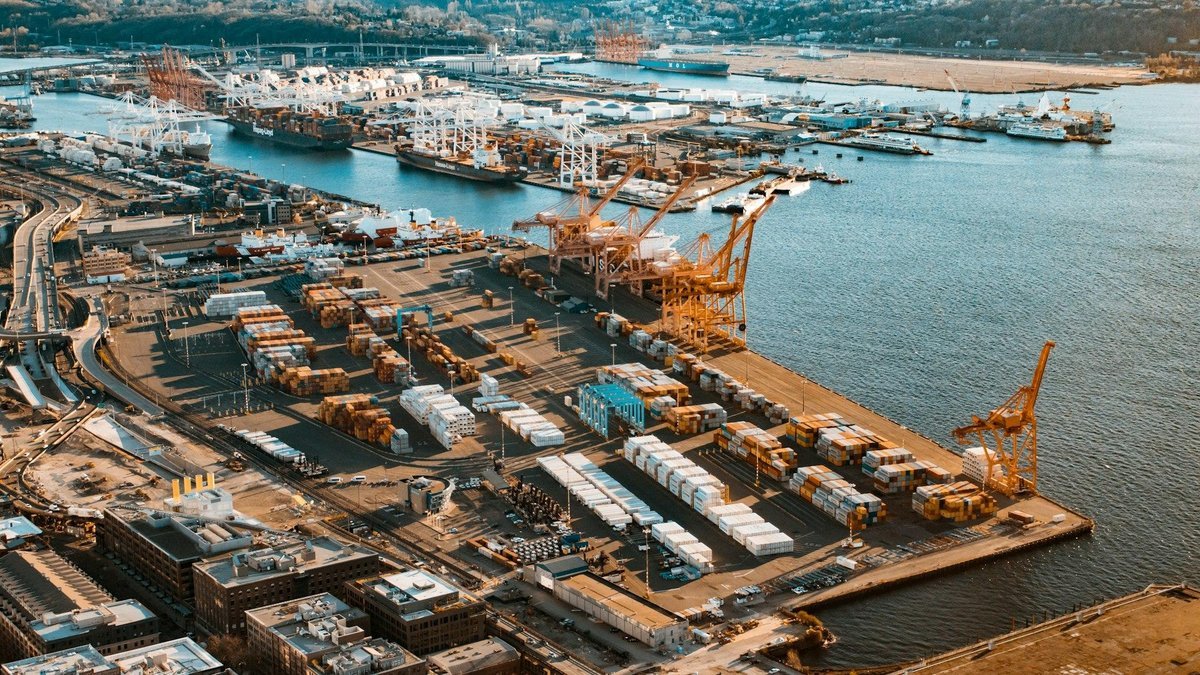
Gopalpur Port’s first rail-sea-rail cargo movement signals a shift in Eastern India’s bulk logistics, offering power producers a coastal shipping alternative to congested inland rail corridors.
Adani Ports and Special Economic Zone (APSEZ) promoted the initiative to integrate rail and maritime networks into a single logistics model. The system allows cargo to move from industrial centres to ports by rail, travel by sea to a destination port, and then return to the rail network for final delivery.
The development targets power-generating companies and bulk cargo users who require consistent movement of critical industrial materials. This multimodal approach aligns with the Indian government’s PM Gati Shakti National Master Plan and the Maritime Amrit Kaal Vision 2047, which aim to build a more competitive maritime sector.
Why it matters
For bulk carrier owners and charterers, this creates structured demand for coastal tonnage in the Bay of Bengal. By moving cargo off the tracks and onto the water for the middle leg, Gopalpur Port is positioning itself as a hub for short-sea shipping. This transition suggests a move away from total reliance on the national rail grid for long-haul bulk transport.
Power sector cargo owners gain a hedge against inland infrastructure bottlenecks. The rail-sea-rail model improves supply chain resilience and inventory management by providing an integrated transportation alternative. For industries where uninterrupted operations are mandatory, the ability to bypass rail congestion through a maritime link reduces the risk of fuel shortages.
The move solidifies APSEZ’s grip on the regional supply chain. By controlling the port infrastructure and the logistics planning, the company offers a solution that competes directly with traditional all-rail transport. This integration likely lowers total transportation costs for bulk users while increasing the port’s throughput and its role as a strategic gateway for Odisha.
The success of this multimodal model will determine how much of India’s bulk industrial volume shifts from the rails to the water by 2047.