

Constanta Grain Exports Jump 17% as Black Sea War Risks Escalate

Constanta grain volumes hit 18.5 million tons as Ukrainian transit surges, despite 15 merchant ship attacks off the Romanian coast.
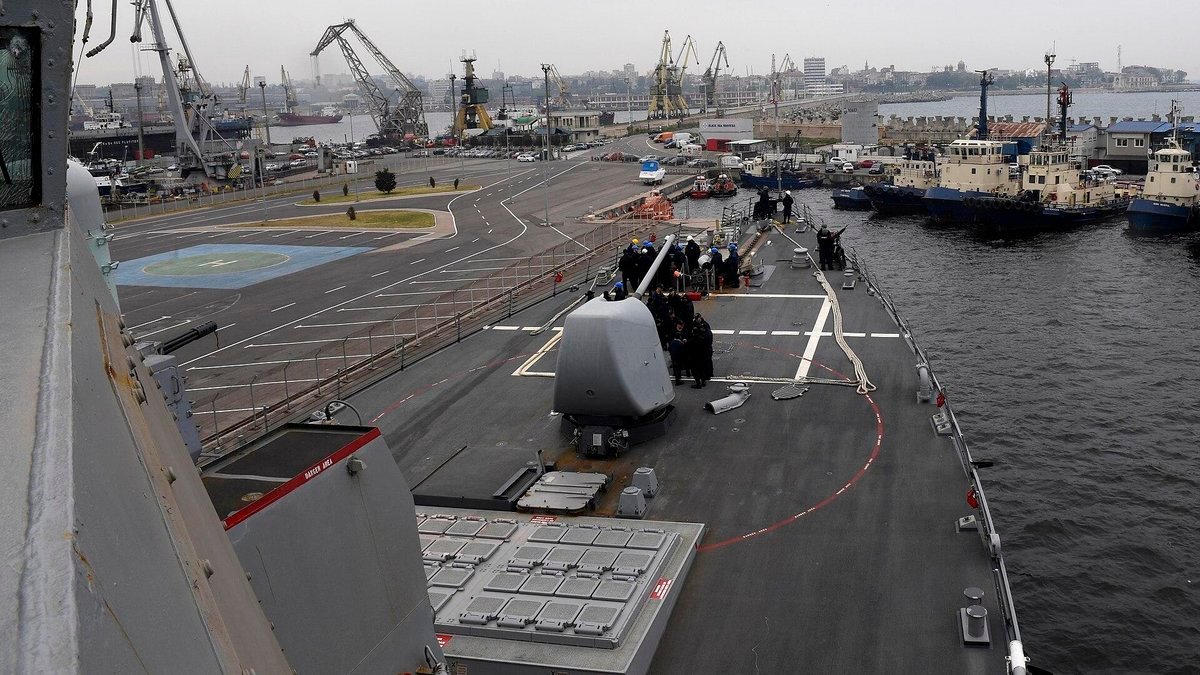
Constanta’s 17.1% surge in grain exports through October 2026 establishes the Romanian port as the critical safety valve for Black Sea trade, even as missile strikes on merchant ships nearby drive up the cost of doing business. The port handled 18.5 million tons of grain in the first 10 months of the year, supported by a strong domestic harvest and a massive spike in Ukrainian transit volumes.
The Constanta port authority reported total cargo volumes reached 59.0 million tons by the end of October, a 3.5% increase over the previous year. Ukrainian grain exports through the terminal jumped to 1.65 million tons, compared to just 321,000 tons during the same period in 2025. This shift follows persistent Russian attacks on Ukraine’s own seaports, forcing Kyiv to rely on the Romanian hub.
Security risks are mounting for vessels calling in the region. Fifteen merchant ships have been hit over the past six weeks off the coasts of Romania and Bulgaria. While Constanta itself has not been targeted, the strikes have focused on vessels moving to and from the Sulina Canal, the primary link between the Danube River and the Black Sea.
To formalize the port’s growing influence on global trade, Euronext announced it will launch Black Sea wheat and corn futures next year. These contracts will feature physical delivery at the port of Constanta, reflecting its role as a primary export gateway for Romania, Serbia, Hungary, and Moldova.
Why it matters
For bulk carrier owners and charterers, the 17% volume growth proves that Constanta is no longer just a regional outlet but a systemic hub for European grain. However, the concentration of cargo here creates a single point of failure. While the port terminals are operating efficiently, the maritime approach is increasingly dangerous. The 15 attacks in six weeks suggest that insurance premiums and security surcharges will remain a permanent fixture of the Black Sea trade for the foreseeable future.
The launch of Euronext futures with physical delivery at Constanta changes the economics for traders and brokers. It moves the port from a transit point to a price-setting benchmark. This institutional backing will likely draw more liquidity to the route, but it also means that any operational disruption in Romania will now have a direct, immediate impact on global grain pricing.
Operational margins are being squeezed by factors far from the pier. High fuel prices and chronic inland bottlenecks are inflating logistics costs. Romanian infrastructure works and a shortage of locomotives mean that getting grain to the terminal is becoming as complex as shipping it out. For seafarers and operators, the immediate concern is the Sulina Canal; as the primary export route for Ukrainian grain, it remains the most likely flashpoint for further maritime strikes.
What to watch
The specific terms and launch date of the Euronext Black Sea wheat and corn futures in 2027 will determine how quickly Constanta matures into a global delivery benchmark. Any further strikes on merchant vessels near the Sulina Canal will likely trigger a reassessment of war-risk boundaries by international insurers.