

GHD Wins Major Engineering Roles at Savannah and Los Angeles Ports
GHD takes on a new deep-water terminal project in Savannah and a three-year maintenance contract in Los Angeles to boost U.S. port capacity.
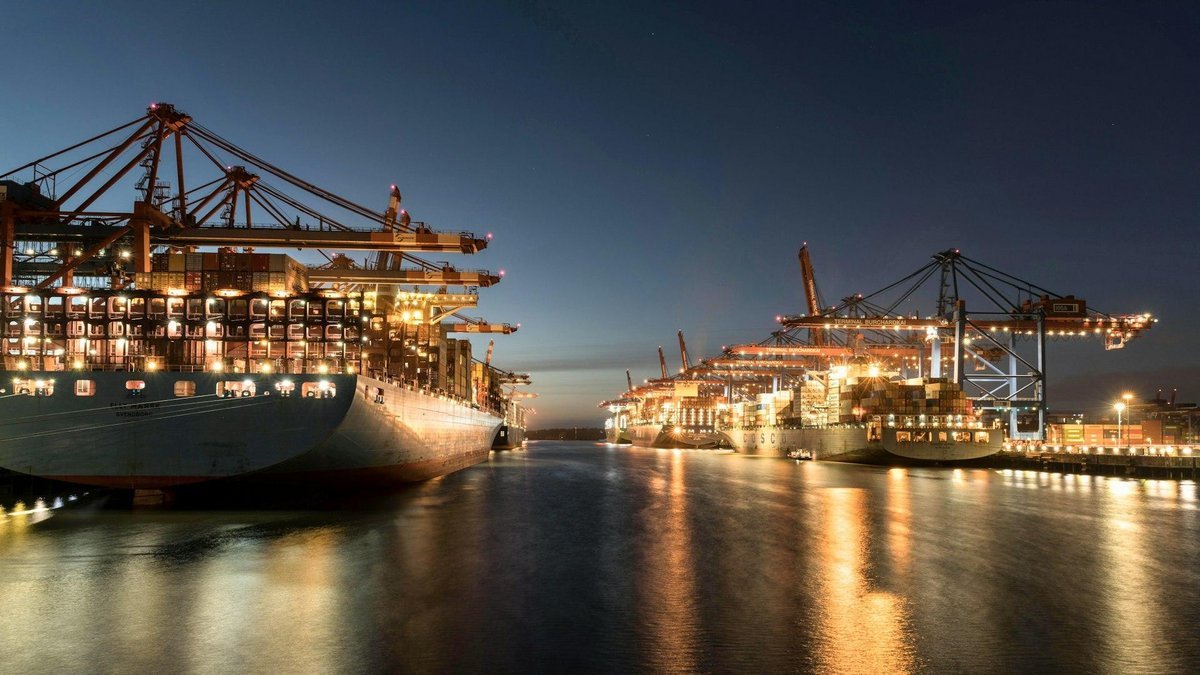
GHD has secured engineering contracts at the ports of Savannah and Los Angeles, positioning the firm at the center of two distinct infrastructure trends: the race for unrestricted deep-water access on the East Coast and the maintenance of aging assets in the West.
GHD will serve as the design engineer for the new marine terminal at the SeaPoint Industrial Terminal Complex in Savannah, Georgia. Working with Michels Construction under a progressive design-build contract, GHD will develop a 226-acre terminal featuring a 3,000-foot berth and direct access to a 47-foot-deep channel. The site has no air draft restrictions, and construction is slated to begin in 2027.
At the Port of Los Angeles, GHD won a three-year on-call contract for engineering and architectural services. This role covers capital and maintenance improvements for commercial and public facilities, ranging from initial assessments and facility studies through to design, permitting, and construction support.
Why it matters
The Savannah project removes the physical constraints that throttle East Coast port efficiency. By offering a 47-foot depth and removing air draft limits, the SeaPoint terminal targets the largest vessel classes that are currently restricted by bridge heights or shallow channels elsewhere. For charterers and owners of ultra-large container ships or bulkers, this terminal represents a future relief valve in a region where terminal space is at a premium.
A 3,000-foot berth provides the linear capacity required to handle multiple large vessels simultaneously, which is essential for reducing port stays and improving turnaround times. However, the 2027 construction start date means this capacity is a long-term play rather than an immediate fix for current supply chain pressures.
In Los Angeles, the focus on on-call maintenance and facility assessments points to a strategy of operational preservation. For terminal operators and seafarers, consistent maintenance reduces the risk of equipment failure and unplanned berth closures at the busiest port complex in the United States. The contract ensures that the port can address infrastructure degradation before it impacts cargo flow.
What to watch
The start of construction in 2027 is the primary milestone for the SeaPoint project, with the intervening years dedicated to design and permitting phases that will define the terminal’s final operational limits.
Source: The Maritime Executive