

Hong Kong pivots to high-value services in five-year maritime plan
Hong Kong targets a shift from container volume to maritime finance and green bunkering through new tax reforms and a 2026-2030 development plan.
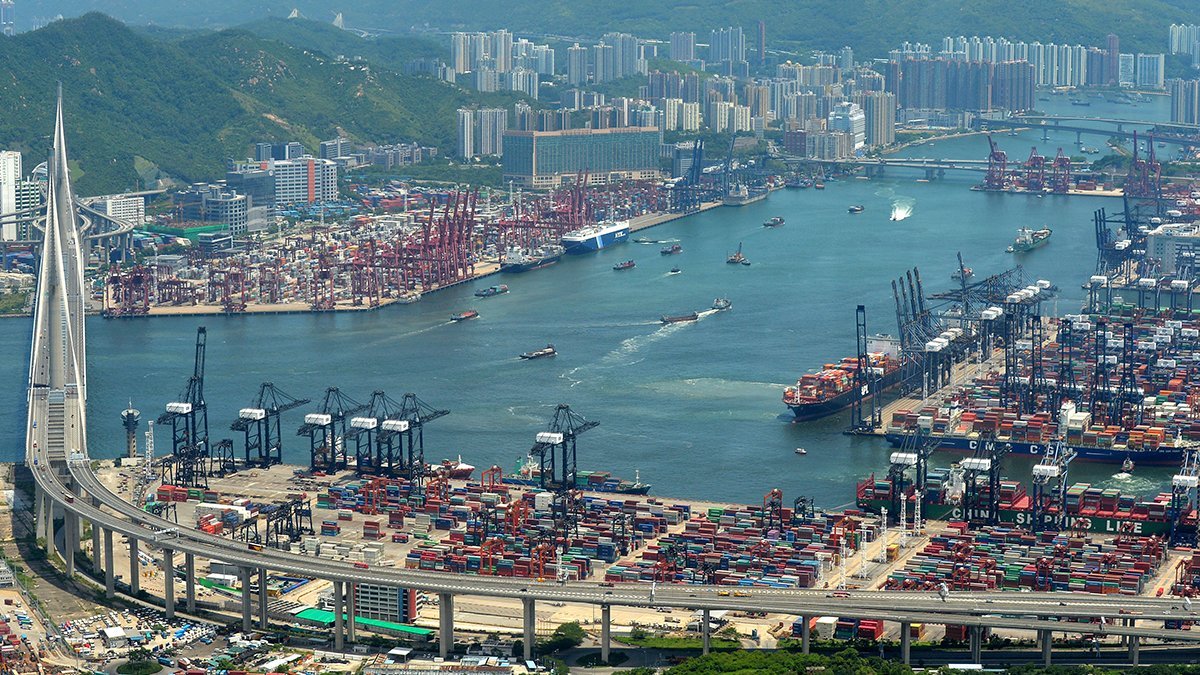
Hong Kong’s 2026-2030 development plan signals a definitive shift from container volume to high-value maritime services, betting that green bunkering incentives and tax breaks for commodity traders can rebuild its status as a global shipping capital. The administration is moving away from direct competition with mainland Chinese container ports to focus on the financing, insuring, and fueling of the global fleet.
The strategy, outlined in Chief Executive John Lee’s September policy address, sets a target to reduce emissions at Kwai Tsing’s container terminals by 30% from 2021 levels and establish five green energy corridors by 2030. To support this, the government gazetted measures in October to expand the sea room available for green-fuel bunkering from 645 hectares to 2,877 hectares, adding seven new anchorages to the territory’s waters.
Financial incentives are already in place to drive this transition. Vessels using or carrying eligible alternative fuels receive port dues reductions of up to 50%, while Hong Kong-registered green-fuel ships can claim HK$60,000 annually. On the commercial side, a bill introduced in June proposes half-rate profits tax for qualifying physical commodity traders, aiming to bring the cargo-controlling desks that drive demand for chartering and legal services back to the city.
The government is also pursuing deeper integration with the mainland, signing a brother port agreement with Shanghai on October 20. The two hubs intend to coordinate liner services and green shipping initiatives rather than competing for the same transshipment volumes. For shipowners, the government is preparing legislation to allow dual registration for bareboat-chartered ships, making the Hong Kong flag more flexible for complex leasing structures.
Why it matters
For shipowners and operators, the expansion of bunkering anchorages to 2,877 hectares is the most practical development in this strategy. It addresses the physical congestion that often complicates refueling schedules. By providing the sea room and the financial incentives for methanol and other alternative fuels, Hong Kong is positioning itself as the primary green refueling stop for vessels on the Far East trade lanes.
The tax concessions for commodity traders represent a targeted attempt to rebuild the maritime ecosystem. When trading desks move, chartering managers, insurers, and maritime lawyers follow. This shift suggests that Hong Kong has accepted its decline in the container throughput rankings and is instead prioritizing the high-margin professional services that require physical proximity to cargo owners.
The partnership with Shanghai indicates a new reality for regional logistics. Instead of trying to regain its former position as the dominant gateway for South China, Hong Kong is seeking to survive by integrating its professional services with the mainland’s massive industrial volume. This reduces the risk of further terminal obsolescence but makes the city’s maritime future entirely dependent on its ability to provide better financial and regulatory tools than its neighbors.
What to watch
The government expects to announce its first green energy corridor with a mainland city later this year, which will provide the first concrete link between Chinese fuel production and international shipping demand. Looking further ahead, tenders for green-fuel storage facilities at Tsing Yi South are scheduled for early 2028.
Source: Splash247