Genco Rejects Star Bulk’s ‘Fire Sale’ Offer for Dry Bulk Ships | Mariner News
In a significant development for the global maritime industry, Genco Shipping & Trading Limited, a leading dry bulk shipping company, has firmly rejected a revised acquisition proposal from Star Bulk Carriers Corp., characterizing the offer as a ‘fire sale’ of its valuable ships. This decision underscores Genco’s unwavering commitment to maximizing shareholder value and pursuing an independent strategic path in the highly dynamic dry bulk sector. The unsolicited bid by Star Bulk, a prominent competitor, aimed to consolidate dry bulk fleet assets, but Genco’s board found the terms to be substantially inadequate, failing to reflect the intrinsic value and future growth potential of its extensive fleet of dry bulk vessels. This rejection sends a clear message about Genco’s confidence in its operational strategy and asset base amidst a period of considerable interest in shipping mergers and acquisitions.
Understanding the Star Bulk Offer and Genco’s Firm Rejection
Star Bulk Carriers Corp. had approached Genco with a revised, unsolicited proposal to acquire all outstanding shares of Genco in an all-stock transaction. While specific financial terms of the revised offer were not publicly detailed, it was understood to be an attempt to sweeten an earlier, equally rebuffed bid. Star Bulk, known for its strategic acquisitions and drive for scale within the dry bulk market, likely sought to integrate Genco’s substantial fleet, creating a larger entity with enhanced operational efficiencies and market leverage. However, Genco’s Board of Directors, after careful consideration and consultation with independent financial and legal advisors, unanimously determined that the revised offer significantly undervalued the company and was not in the best interests of Genco and its shareholders.
The board’s rationale for rejecting the offer was multifaceted. They highlighted that Star Bulk’s proposal failed to adequately compensate Genco’s shareholders for the company’s strong financial performance, its high-quality, modern dry bulk fleet, and its robust prospects for future earnings and dividend generation. The characterization of the offer as a ‘fire sale’ suggests a belief that Star Bulk was attempting to capitalize on market conditions to acquire Genco’s valuable shipping assets at a discount, rather than a fair market valuation that truly reflects the company’s enterprise value and strategic position within the dry bulk shipping industry. This strong stance from Genco reinforces the importance of fair valuation in any potential consolidation within the maritime sector.
Genco’s Strategic Vision and Robust Dry Bulk Fleet
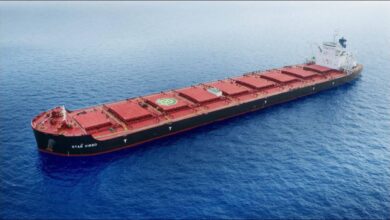
Genco Shipping & Trading is a leading international provider of ocean transportation for dry bulk cargoes, operating a diverse fleet of Capesize, Panamax, Ultramax, and Supramax vessels. This comprehensive fleet allows Genco to transport a wide range of major bulk commodities, including iron ore, coal, grain, and minor bulks, across global trade routes. The company has meticulously built a reputation for operational excellence, strong financial management, and a commitment to shareholder returns. Its strategy focuses on maintaining a modern, fuel-efficient fleet, ensuring high utilization rates, and executing a prudent capital allocation strategy that includes both deleveraging and consistent dividend payments.
The company’s board emphasized that Genco possesses a clear strategy for maximizing shareholder value on a standalone basis. This strategy includes ongoing efforts to optimize its fleet performance, reduce operating costs, and capitalize on favorable market dynamics in the dry bulk shipping sector. Genco has consistently demonstrated its ability to navigate the cyclical nature of the dry bulk market, leveraging its experienced management team and diversified asset base to generate sustainable returns. The rejection of Star Bulk’s offer is thus a testament to Genco’s confidence in its organic growth trajectory and its belief that its current market valuation does not fully capture its future earnings potential from its diverse array of dry bulk ships.
Star Bulk’s Quest for Dry Bulk Market Consolidation
Star Bulk Carriers Corp. is another significant player in the dry bulk shipping space, boasting one of the largest and most diversified fleets globally. The company has a well-documented history of growth through strategic acquisitions, consistently seeking opportunities to expand its operational scale and market share. Its attempts to acquire Genco align with a broader industry trend towards consolidation, where larger entities aim to achieve economies of scale, improve fleet utilization, and gain greater pricing power in a fragmented market. Star Bulk’s ambition is to cement its position as a leading global dry bulk owner and operator, and the addition of Genco’s high-quality fleet would undoubtedly have contributed significantly to this objective.
From Star Bulk’s perspective, an acquisition of Genco would have offered substantial synergies, including optimizing vessel deployment, reducing general and administrative expenses, and enhancing its competitive standing. Such a merger would have created a maritime powerhouse, potentially influencing freight rate dynamics and strengthening the combined entity’s negotiating position with charterers and shipyards. However, the success of such consolidation efforts hinges on reaching an agreement on fair valuation, a point of contention in the Genco-Star Bulk negotiations. This highlights the challenges of M&A in shipping, where asset valuations can be highly sensitive to market sentiment and future outlooks for the dry bulk industry.
Implications for the Global Dry Bulk Shipping Industry
The rejection of Star Bulk’s offer by Genco has several significant implications for the broader dry bulk shipping industry. Firstly, it signals that while consolidation remains a compelling strategy for many operators, targets with strong fundamentals and clear standalone strategies are unwilling to be acquired at what they perceive as undervalued prices. This could temper expectations for rapid merger activity, encouraging potential acquirers to offer more compelling terms.
Secondly, the decision reinforces Genco’s position as a formidable independent player. Its continued autonomy means the dry bulk market retains a key independent voice, contributing to a more diversified and competitive landscape. Investors and market analysts will closely watch Genco’s performance moving forward to validate its decision to remain independent and demonstrate its ability to outperform market expectations without a merger. The dry bulk sector, which transports essential commodities globally, relies on a delicate balance of supply and demand for vessels. Such strategic decisions by major players like Genco can subtly influence vessel supply dynamics, investor sentiment, and ultimately, the overall health of the maritime transport ecosystem.
Maximizing Shareholder Value and Corporate Governance in Shipping
The core of Genco’s rejection lies in its commitment to maximizing shareholder value. Publicly traded companies in the shipping industry, like Genco, have a fiduciary duty to act in the best long-term interests of their shareholders. This involves rigorously evaluating any acquisition proposals to ensure they fully compensate existing shareholders for their investment and the future potential of the business. The board’s independent review and conclusion that Star Bulk’s offer constituted a ‘fire sale’ underscores this critical aspect of corporate governance.
Such rejections highlight the sophisticated nature of asset valuation in the shipping space, where the value of dry bulk ships fluctuates with global trade volumes, commodity prices, and newbuilding orders. Genco’s board had to weigh the immediate benefits of Star Bulk’s offer against the projected intrinsic value of its dry bulk fleet, its future cash flows, and its dividend policy. This decision serves as a reminder to the market that boards of directors are prepared to defend shareholder interests against bids that do not reflect the true worth of their valuable maritime assets, setting a precedent for future unsolicited proposals across the shipping landscape.
The Path Forward: Genco’s Autonomy and Star Bulk’s Next Steps
With the offer decisively rejected, Genco Shipping & Trading is set to continue executing its independent strategy. This involves a focus on fleet optimization, prudent financial management, and maximizing returns for its shareholders through a combination of operational efficiency and a disciplined capital allocation strategy. The company is likely to emphasize its commitment to its current course, seeking to demonstrate that its standalone value creation potential is superior to what Star Bulk’s offer proposed.
For Star Bulk Carriers, the rejection means a reassessment of its consolidation strategy. While it may choose to revise its offer with more attractive terms, it could also pivot to exploring other acquisition targets within the dry bulk sector or focusing on organic growth initiatives. The broader dry bulk shipping market will continue to evolve, influenced by global economic trends, geopolitical events, and environmental regulations. Both Genco and Star Bulk, as key players, will navigate this complex environment, each pursuing their respective strategies to ensure long-term sustainability and profitability in the vital business of transporting bulk commodities across the oceans. The saga underscores the dynamic nature of corporate strategy and valuation in the highly capital-intensive global shipping industry.