

Everport orders 20 more electric top picks for Port of Oakland
Everport Terminal Services adds 20 more Taylor electric container handlers to its Oakland fleet as zero-emission equipment reaches operational scale.
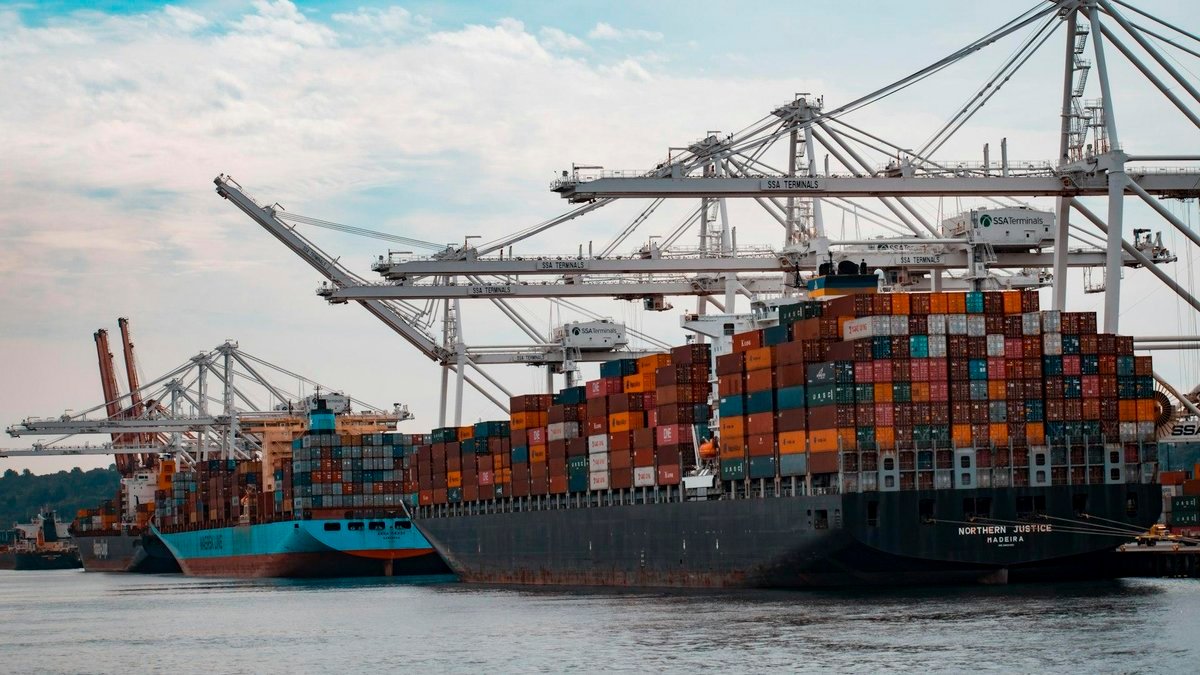
Everport Terminal Services is committing to a large-scale rollout of zero-emission heavy equipment at the Port of Oakland, taking delivery of eight electric top picks and ordering 20 more from Taylor Machine Works. This move shifts electric container handling from the pilot phase into a core operational requirement for the terminal operator.
The American-made Taylor Machine Works ZLC996 electric container handlers can stack containers weighing up to 100,000 pounds and load them onto trucks. According to the Port of Oakland, these machines are expected to run for two full shifts on a single charge. Everport President Ron Neal described the purchase as a private investment aimed at modernizing operations for the next generation.
The delivery follows the October start of construction on infrastructure upgrades at the Matson Terminal. That project is part of a 119 million dollar investment under the Port and Freight Infrastructure Program, funded by the California State Transportation Agency. Port of Oakland Executive Director Kristi McKenney stated the deployment is a milestone in the port’s long-term transition to zero-emission operations.
Why it matters
For terminal operators and port authorities, the Everport order provides a concrete data point on the operational viability of battery-electric heavy machinery. A single-charge capacity for two full shifts addresses the primary commercial concern of downtime during high-volume periods. By choosing US-made equipment for a private investment, Everport is betting that the technology is ready to handle the weight and pace of a major West Coast gateway without the need for constant recharging.
This transition also places pressure on competing terminals and the wider logistics chain. As Oakland modernizes through both public and private funding, charterers and cargo owners will likely face stricter expectations for their landside operations. The scale of this 28-unit commitment suggests that the transition to zero-emission cargo handling is no longer a matter of if, but a matter of how quickly operators can secure the equipment and the power grid capacity to support it.
What to watch
The next trigger for the port will be the completion of infrastructure upgrades at the Matson Terminal, which will test the facility’s ability to support fully zero-emission operations at scale. Success there will likely dictate the pace of similar conversions across other Oakland berths.
Source: World Cargo News