

Ethanol Gains Momentum as Viable Alternative Shipping Fuel
Ethanol is gaining traction as a competitive alternative marine fuel, with major operators like Maersk exploring its deployment to leverage existing supply chains and technical compatibility with methanol-ready tonnage. The fuel’s ability to run in engines designed for methanol with minimal modifications marks a significant shift in fleet strategy, allowing shipowners to hedge against the […]
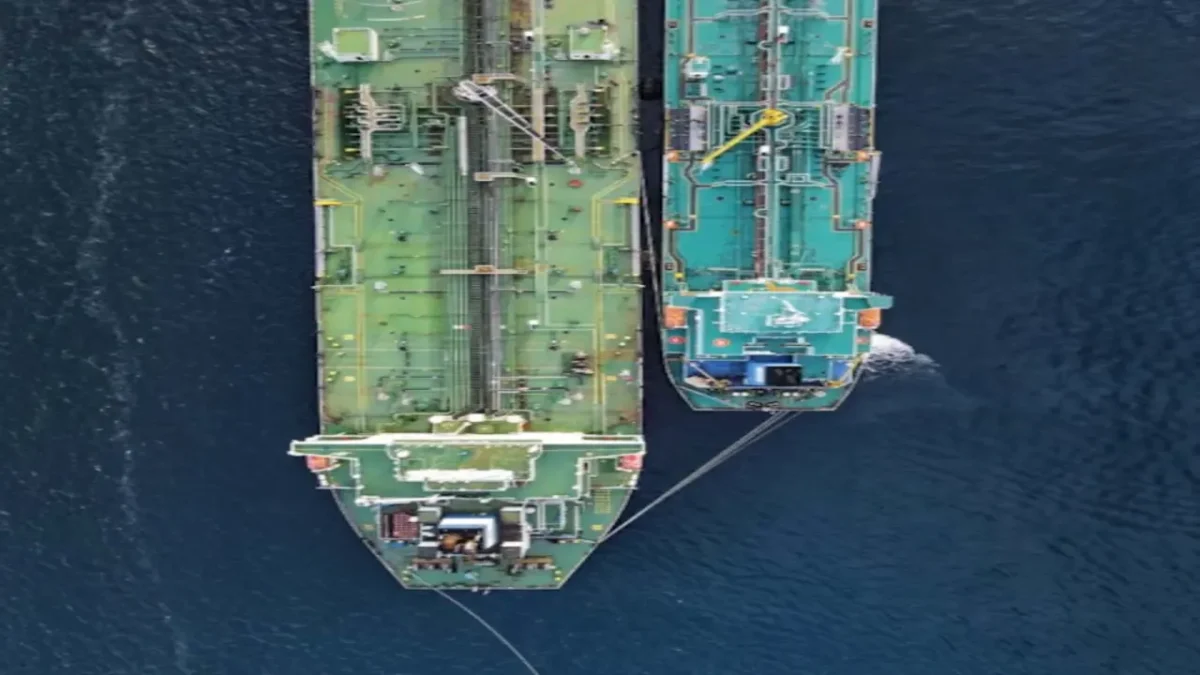
Ethanol is gaining traction as a competitive alternative marine fuel, with major operators like Maersk exploring its deployment to leverage existing supply chains and technical compatibility with methanol-ready tonnage. The fuel’s ability to run in engines designed for methanol with minimal modifications marks a significant shift in fleet strategy, allowing shipowners to hedge against the volatility of the green methanol market.
Operational Advantages
The primary appeal of ethanol for the shipping sector lies in its technical versatility. Because ethanol operates within the fuel injection profiles and storage parameters already established for methanol-ready vessels, it provides an immediate pathway for fleet decarbonization without requiring specialized, fleet-wide engine retrofits. This interchangeability effectively lowers the barrier to entry for operators seeking to utilize dual-fuel assets more flexibly.
Strategic Implications
While the technical hurdles are low, the transition faces long-term commercial challenges. Industry observers point to the need for a highly reliable supply chain, competitive pricing structures, and robust, independently verified emissions data to justify the investment. For operators, the shift toward ethanol suggests a move toward fuel-agnostic fleet management where vessel utility is decoupled from the specific synthetic fuel chosen, provided the energy density and handling requirements remain aligned.
Recent activity confirms this trend, with Maersk signaling its commitment to the fuel through large-scale bunkering operations in Singapore. Despite these strides, analysts warn that the commercial viability of ethanol—and other green fuels at scale—remains under scrutiny as carriers weigh the balance between regulatory pressure to reduce emissions and the operational costs of low-carbon bunkering.