ELIRE Validates Grid-Independent Hydrogen Shore Power Hub | Mariner News
The maritime industry is undergoing a transformative period, driven by an urgent need for decarbonization and sustainable practices. At the forefront of this evolution, the ELIRE Maritime Consortium has achieved a significant milestone, validating its groundbreaking grid-independent hydrogen shore power hub. This innovative floating system represents a pivotal step towards achieving cleaner ports and drastically reducing vessel emissions, offering a robust alternative to traditional energy infrastructure. The consortium’s successful validation underscores the viability of deploying advanced hydrogen power solutions for ships at berth, promising a future where port operations are quieter, cleaner, and less reliant on conventional fossil fuels. This development not only enhances environmental sustainability but also addresses critical grid constraints that have historically hampered the widespread adoption of shore power connections, paving the way for a new era of eco-friendly shipping.
Pioneering Grid-Independent Shore Power Solutions
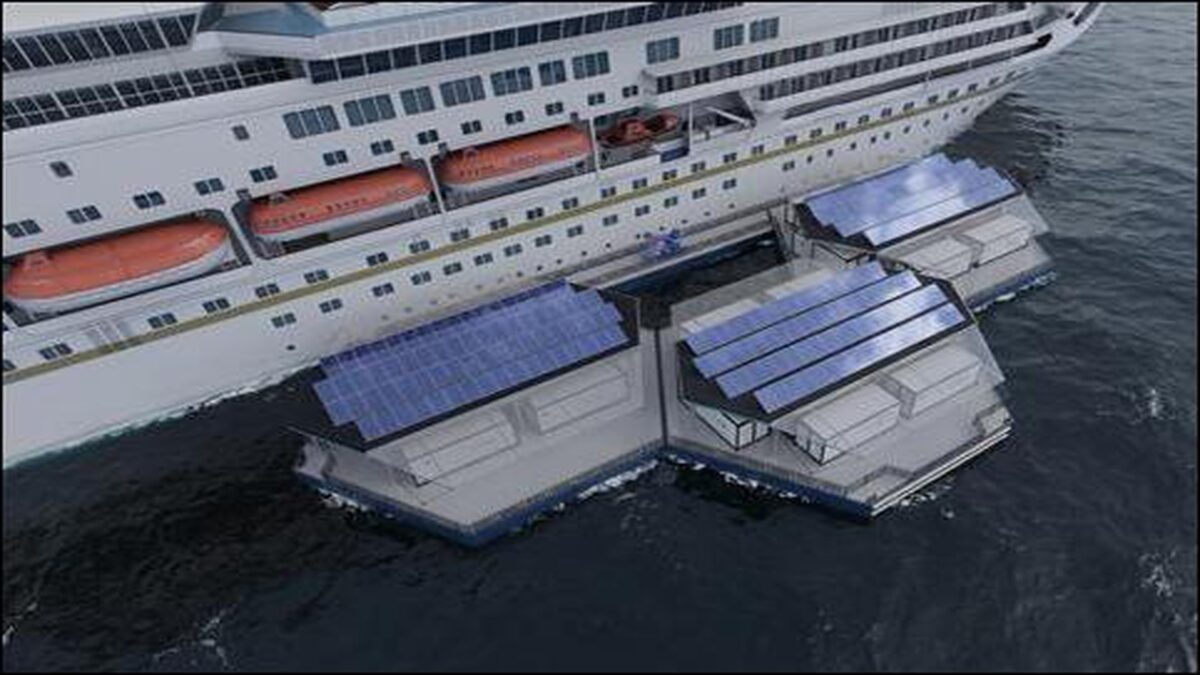
The core of the ELIRE Maritime Consortium’s innovation lies in its modular floating hydrogen power hub, meticulously designed to supply up to 5 MW of clean power to vessels without requiring a direct connection to a port’s traditional electricity grid. This grid-independent hydrogen shore power hub integrates multiple advanced technologies, including hydrogen fuel cells, sophisticated battery storage, and onboard renewable generation capabilities. The system supports both 6.6 kV and 11 kV shore power connections, making it versatile enough to cater to a wide range of large vessels docking at various port facilities. The ability to operate independently from existing grid infrastructure is a game-changer for many ports, particularly those with limited grid capacity or in remote locations where extending grid connections is impractical and costly. By leveraging hydrogen as a primary energy source, this system offers a truly sustainable maritime solution, aligning with global efforts to reduce carbon footprints and promote green shipping practices. The validation process, conducted under the rigorous UKRI-funded Clean Maritime Demonstrator Competition Round 6 (CMDC6) programme, confirms the system’s operational effectiveness and safety, highlighting its potential to revolutionize port energy management and sustainable shipping practices.
This floating power system provides a flexible and scalable solution for port operators looking to implement shore power without undertaking massive, expensive upgrades to their onshore electrical infrastructure. It allows ports to bypass the complexities and timelines associated with grid expansion, enabling faster adoption of clean energy for berthed ships. The modular design further enhances its appeal, allowing for custom configurations based on specific port needs and vessel demands, from small to large-scale operations. The integration of renewable generation elements within the hub itself further bolsters its sustainability credentials, creating a self-sufficient energy ecosystem that minimizes reliance on external energy sources. This comprehensive approach to hydrogen power is not just about supplying electricity; it’s about creating a resilient, environmentally sound, and economically viable pathway for ports worldwide to transition towards a cleaner operational future, significantly contributing to global maritime decarbonization goals.
Enhancing Environmental Sustainability and Port Operations
The environmental benefits of the ELIRE Maritime Consortium’s grid-independent hydrogen shore power hub are profound and far-reaching. By enabling vessels to switch off their auxiliary diesel engines while at berth, the system is projected to reduce vessel emissions by approximately 77% compared to conventional onboard diesel generation. This substantial reduction includes harmful pollutants such as nitrogen oxides (NOx), sulfur oxides (SOx), particulate matter (PM), and greenhouse gases (GHGs). The immediate impact on port communities is a noticeable improvement in air quality and a significant reduction in noise pollution, creating healthier and more pleasant environments for residents and port workers alike. These benefits are critical as urban areas surrounding ports increasingly demand stricter environmental regulations and cleaner operations from the maritime sector.
Beyond air quality, the adoption of hydrogen shore power aligns with broader climate action initiatives and international maritime regulations aimed at achieving zero-emission shipping. Ports that deploy this technology can significantly improve their environmental performance scores, attract eco-conscious shipping lines, and enhance their reputation as green ports. From an operational standpoint, providing shore power allows shipping companies to reduce fuel consumption and engine wear, leading to lower operating costs and maintenance requirements for their fleets. This dual advantage of environmental protection and economic efficiency makes the ELIRE hydrogen power hub a compelling solution for the maritime industry’s sustainability challenges. The move towards cleaner energy at berth is not just a regulatory compliance matter; it’s a strategic decision that offers tangible benefits for both the planet and the industry’s bottom line.
The Consortium Driving Clean Maritime Innovation
The success of the grid-independent hydrogen shore power hub is a testament to the collaborative spirit and expertise within the ELIRE Maritime Consortium. This powerful alliance brings together leading innovators and specialists in their respective fields, including Ricardo UK, renowned for its engineering and environmental consulting; Schneider Electric, a global leader in energy management and automation; Rux Energy UK, specializing in hydrogen technologies; and Triton, contributing expertise in marine engineering and infrastructure. Each partner has played a crucial role in bringing this ambitious project to fruition, from initial concept development and design to rigorous validation and testing under real-world conditions.
The UKRI-funded Clean Maritime Demonstrator Competition Round 6 (CMDC6) program provided the essential framework and financial support for this initiative, highlighting the UK government’s commitment to fostering innovation in the clean maritime sector. This national support has been instrumental in accelerating the development and validation of advanced sustainable technologies that are vital for the UK’s and the global maritime industry’s transition towards net-zero emissions. The collaboration among these diverse entities showcases how interdisciplinary partnerships are essential for tackling complex challenges like maritime decarbonization. By pooling resources, knowledge, and technological capabilities, the ELIRE Maritime Consortium has demonstrated a model for future clean energy projects, proving that significant advancements can be achieved when experts unite with a common vision for a sustainable future.
Overcoming Challenges and Shaping the Future of Port Energy
One of the most persistent challenges facing the widespread adoption of shore power has been the significant investment required for grid infrastructure upgrades and the inherent limitations of existing electrical grids. Many ports, particularly older or smaller ones, simply lack the necessary grid capacity to support the substantial power demands of multiple berthed vessels. The ELIRE Maritime Consortium’s grid-independent hydrogen shore power hub directly addresses these limitations, offering a practical and scalable solution that bypasses the need for extensive onshore grid modifications. This innovative approach unlocks the potential for shore power deployment in a much broader range of ports globally, accelerating the transition to cleaner port operations and reducing vessel emissions.
Looking ahead, the successful validation of this hydrogen power hub signifies a major leap towards more resilient and flexible port energy systems. Its modular nature and self-contained power generation capabilities mean it could be deployed rapidly in various scenarios, from temporary port expansions to permanent installations in remote or island locations. The technology also sets a precedent for the integration of other clean fuels and renewable energy sources into future maritime operations, pushing the boundaries of what is possible in sustainable shipping. As the industry continues to seek robust alternatives to conventional bunkering and diesel generation, the ELIRE project positions hydrogen as a frontrunner in the suite of solutions for the maritime energy transition, shaping a future where ports are not just logistical hubs but also centers of clean energy innovation.
Economic and Strategic Benefits for the Maritime Industry
The economic implications of adopting the ELIRE Maritime Consortium’s grid-independent hydrogen shore power hub extend beyond mere compliance with environmental regulations; they offer strategic advantages for both port authorities and shipping companies. For shipping lines, the ability to connect to hydrogen shore power means reduced operational expenses associated with running auxiliary engines, including lower fuel costs and decreased maintenance requirements due to less engine wear. This contributes to improved profitability and competitiveness in a market increasingly focused on sustainable practices. Furthermore, operating in a ‘green’ manner can enhance a company’s brand image and appeal to environmentally conscious cargo owners and consumers, creating a positive feedback loop for business growth.
For ports, embracing such advanced hydrogen power solutions can position them as leaders in environmental stewardship and innovation. This leadership can attract more shipping traffic, especially from vessels committed to decarbonization, thereby boosting port revenues and local economies. The long-term strategic benefits also include enhanced energy security through diversified power sources and reduced vulnerability to fluctuations in fossil fuel prices. By investing in resilient and sustainable port energy solutions, ports can safeguard their future operations against evolving environmental mandates and energy market volatility. The ELIRE project thus represents not just a technological achievement but a powerful economic and strategic enabler for the global maritime industry’s journey towards a truly sustainable and profitable future.
In conclusion, the validation of the ELIRE Maritime Consortium’s grid-independent hydrogen shore power hub is a monumental achievement for the maritime sector. It offers a tangible, scalable, and highly effective solution for drastically reducing vessel emissions and noise in ports, addressing long-standing grid constraints, and accelerating the industry’s crucial decarbonization efforts. This pioneering floating hydrogen power system, supported by robust partnerships and strategic funding, exemplifies the innovative spirit required to navigate the complexities of sustainable maritime operations. As the world moves towards a cleaner energy future, this development stands as a beacon of progress, promising a transformative impact on port environments, shipping practices, and the global fight against climate change.