

Durban Port Delays Double as ICTSI System Stalls Auto Sector
Vessel waiting times at Durban hit 20 days, threatening South Africa's auto industry and wiping out market value for key suppliers.
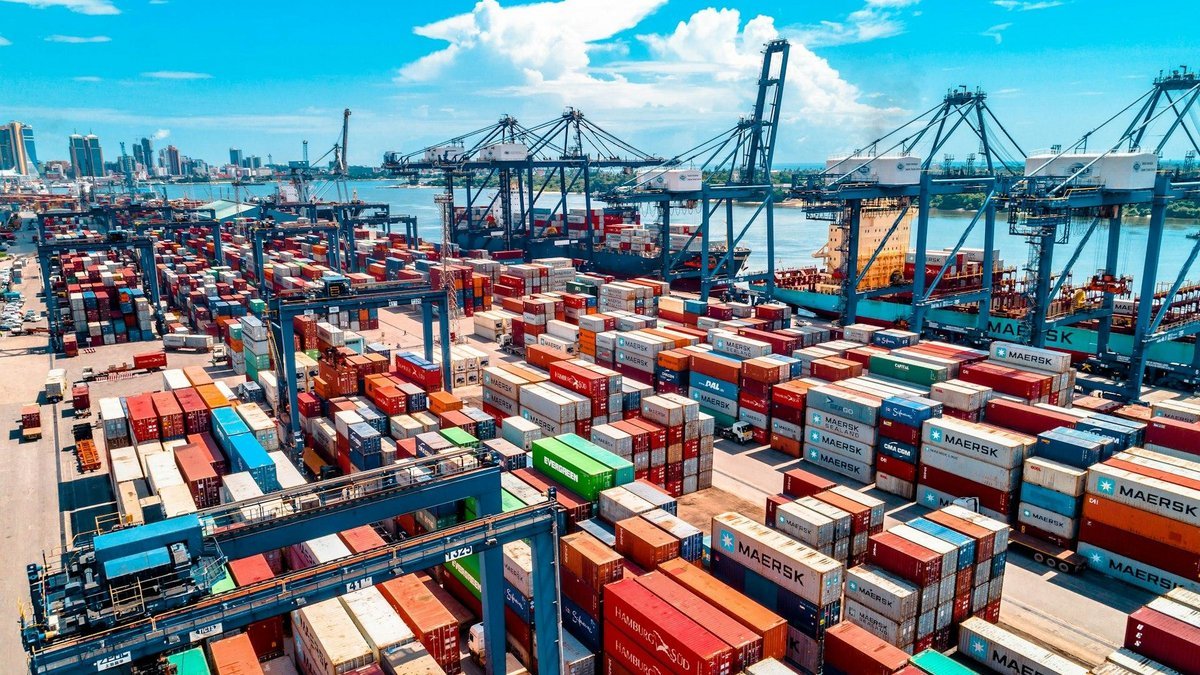
Severe congestion at Durban’s main container terminal has doubled vessel waiting times to 20 days, threatening a South African auto industry already strained by cheap Asian imports and US tariffs.
The logjams have already wiped out nearly half the market value of Metair Investments Ltd., a local parts manufacturer supplying Volkswagen, Ford, and Toyota. The company warned on Friday that backlogs approaching 20 days at the port now threaten its ability to meet contractual arrangements with global automakers.
Durban Gateway Terminal (DGT), majority-owned by Manila-based International Container Terminal Services, Inc. (ICTSI), introduced a new operating system in January that has since triggered severe logjams. Transport Minister Barbara Creecy confirmed last month that waiting times have roughly doubled since the rollout began.
DGT CEO Javier Lancha stated on Friday that the operating system platform has stabilized. The terminal operator plans to meet with members of the National Association of Automotive Component and Allied Manufacturers (Naacam) on Monday to address the disruptions.
Why it matters
For container ship and car carrier owners, a 20-day wait at Durban represents a substantial loss of vessel productivity. Ships immobilized at anchor for nearly three weeks cannot maintain schedules, leading to missed windows at subsequent ports and higher operational costs across South African trade routes.
The crisis at DGT undermines the South African government’s strategy of using private operators to fix port inefficiency. Instead of the expected turnaround, the technical transition has created a bottleneck that rivals the worst periods of state-run management, specifically hitting the auto sector which rivals mining in its economic importance.
The sharp decline in Metair’s share price shows that port delays are no longer just an operational nuisance but a systemic financial risk. As Renai Moothilal, CEO of Naacam, warned, these logjams are detrimental to the competitiveness of South African manufacturers, likely forcing cargo owners to reconsider their reliance on Durban as a hub if the backlog does not clear.
What to watch
The meeting between DGT and Naacam on Monday will provide the first clear indication of whether the terminal can translate its “stabilized” system into a faster flow of cargo and a reduction in the 20-day vessel queue.
Source: gCaptain