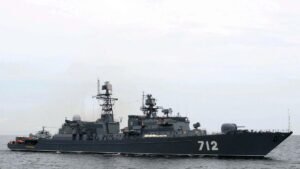
Drone Strike on Sparta II Brings Maritime Conflict to the Baltic Sea

A drone strike on the Russian cargo ship Sparta II in the Gulf of Finland signals a new risk for vessels operating in the Baltic Sea.
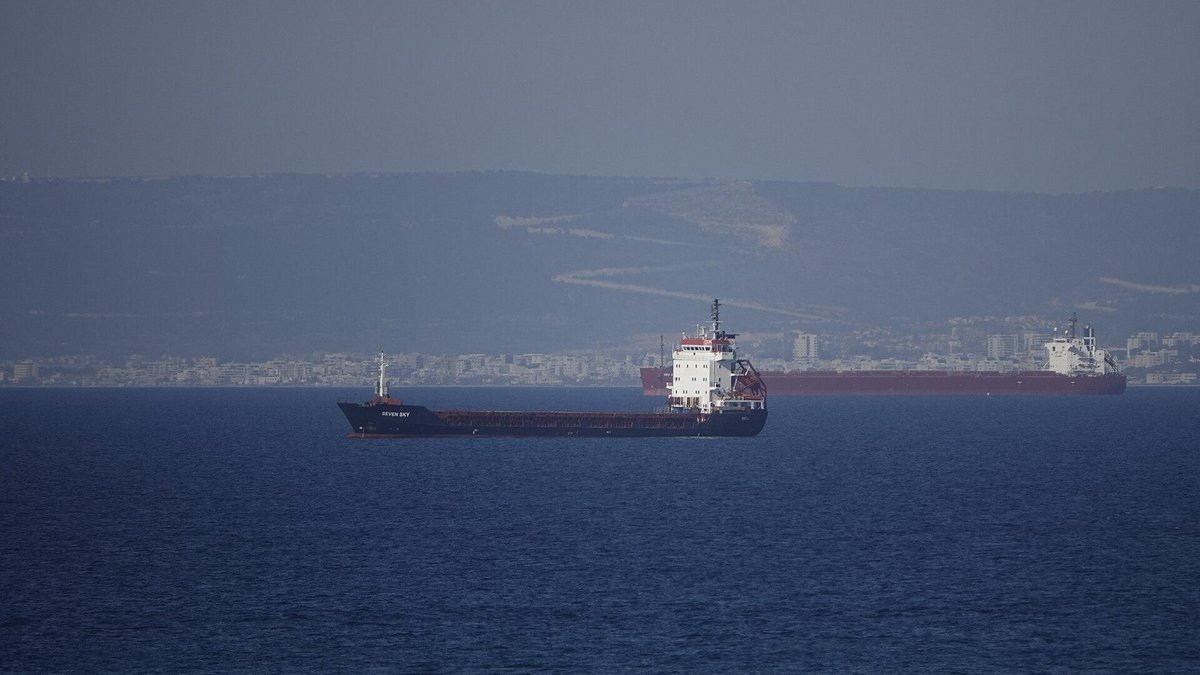
The drone strike on the Russian cargo ship Sparta II in the Gulf of Finland has turned a critical Russian supply route into a front line, signaling that the maritime conflict once confined to the Black Sea has moved into the Baltic.
The 121-meter vessel remained on fire Sunday, November 22, 2026, after being struck by drones the previous day. The Finnish military attributed the attack to Ukraine, stating the vessel was hit in international waters west of Gogland island before drifting into Finnish territory. The Finnish Border Guard released footage showing multiple vessels using water cannons to cool containers on the deck of the Sparta II, while its 16 crew members were evacuated to a nearby Russian ship.
The Sparta II is a Russian-flagged vessel owned by Oboronlogistika, a company that provides logistics for the Russian Defence Ministry. The ship, which is subject to US Treasury sanctions, was en route from St Petersburg to the Russian exclave of Kaliningrad when the attack occurred.
Why it matters
The strike on the Sparta II ends the relative safety of the Baltic Sea for vessels linked to Russian state logistics. While Ukraine has previously targeted the Leningrad region with aerial drones, this direct hit on a merchant vessel in the Gulf of Finland forces a recalculation of risk for all operators in these narrow waters. The proximity of the attack to Finnish and Estonian territory increases the likelihood of debris or disabled vessels entering NATO waters, as seen with the Sparta II anchoring in Finnish territory after the strike.
Owners and charterers must now account for the fact that Russian-flagged ships, particularly those owned by sanctioned entities like Oboronlogistika, are active targets in the Baltic. This development mirrors a series of recent attacks in the Black Sea, where three commercial ships were struck near Romania’s Sulina canal and another vessel sank off the Bulgarian coast. The expansion of these tactics to the north suggests that any vessel supporting Russian military logistics is vulnerable regardless of the sea lane.
The Gulf of Finland is a congested and narrow arm of the Baltic Sea. Kinetic actions here create immediate operational hazards for neutral commercial traffic, including the risk of fire, drifting hulls, and emergency closures of shipping lanes. Estonian Navy Commander Ivo Vark has already warned that further attacks in the area cannot be ruled out, suggesting that the security of the St Petersburg-Kaliningrad route is now compromised.
What to watch
The immediate trigger for further disruption will be the next wave of drone activity in the Leningrad region or additional strikes on Russian naval assets in the Gulf of Finland. Any retaliatory measures from Russia or increased naval presence from Baltic states will signal how much this corridor will tighten for commercial traffic.