Aeronautical wing tech promises low-speed hydrofoil lift for ferries

New hydrofoil designs based on aeronautical wings could end weather delays for ferries and allow heavy vessels to navigate shallow water.
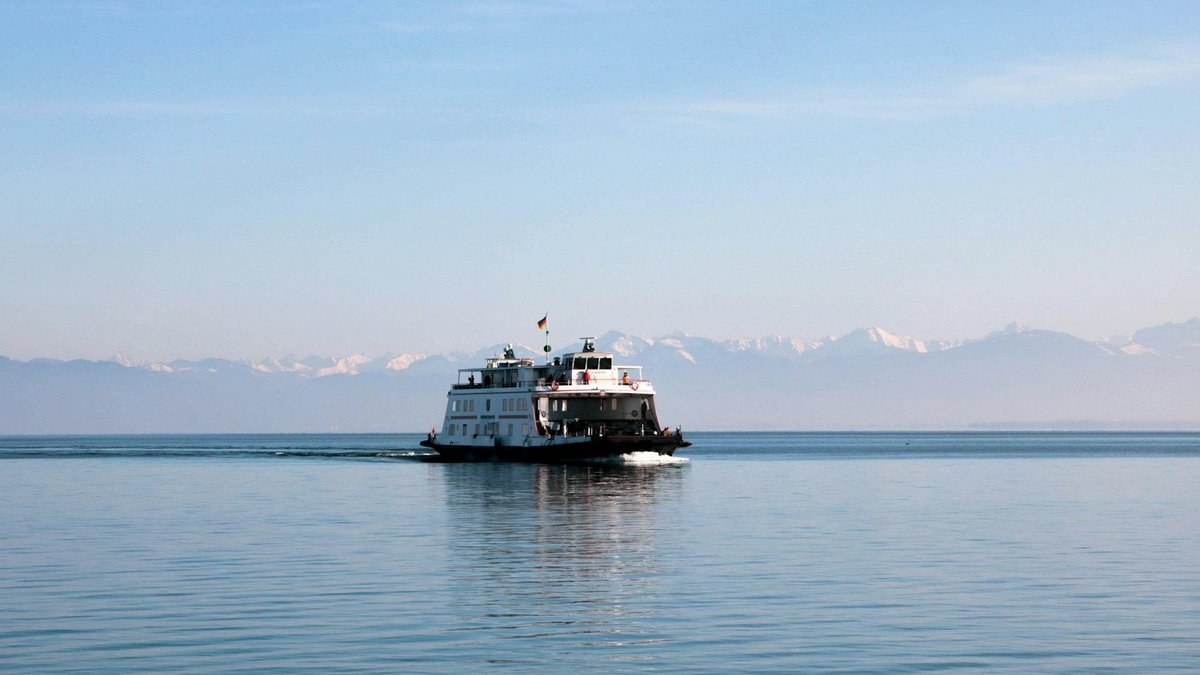
Adapting aeronautical wing designs to maritime hydrofoils could allow ferry operators to maintain schedules in choppy water at speeds as low as five knots, potentially ending the cycle of weather-related service cancellations. Innovations in wing profiles promise to lift vessel hulls above heavy swells without the high engine power traditionally required for hydrofoil flight.
Standard hydrofoils often mimic aeronautical wings with a curved upper surface and flat underside, requiring high speeds to generate the low-pressure zone necessary for lift. Because seawater is 850 times denser than air, researchers are applying low-speed flight innovations, such as the U-shaped wing developed by Willard Custer, to maritime use. This configuration places a propeller upstream of a submerged U-shaped hydrofoil to accelerate water flow and create lift even when the vessel is moving slowly.
Other tested methods include installing paddle wheels or multiple small propellers ahead of the hydrofoil to push a fast-moving stream of water across the curved upper surface. For commercial applications, a conventional propeller can push water into a circular duct that transitions into a wide rectangular outlet just ahead of the foil. This setup generates upward lift at lower sailing speeds and has the potential to lift heavier vessels than current designs allow.
Why it matters
For ferry operators, the primary commercial consequence is a reduction in service cancellations and delayed departures. Current hydrofoil technology requires high speeds to achieve a smooth ride in choppy water, which is often fuel-prohibitive or unsafe in certain sea states. Lifting the hull at five knots provides the stability of a hydrofoil without the high-speed fuel penalty, protecting revenue on routes prone to heavy swells.
The technology also changes the draft economics for shipowners and charterers operating in shallow regions. By generating lift at low speeds, larger and heavier vessels could navigate shallow waterways that are currently inaccessible or require lighter loads. This capability allows for more flexible fleet deployment and could increase the cargo or passenger capacity of vessels working draft-restricted routes.
There is also a clear path for wind-powered shipping. With wind-powered vessels already capable of sailing into headwinds at nine knots, low-speed hydrofoil innovation provides the necessary lift to reduce hull drag at those speeds. This combination would lower propulsive power requirements across the board, directly impacting the bottom line for owners looking to hedge against rising fuel costs.
What to watch
The next step is the scaling of U-shaped hydrofoils and ducted propeller systems from radio-controlled models to full-size commercial prototypes. Watch for technical data on the structural integrity of extended-height struts required to secure these U-shaped foils deep under a vessel hull.