

DP World fast-tracks AED 2.5 billion Fujairah bypass to Hormuz

DP World accelerates AED 2.5 billion Fujairah projects to create a permanent land-bridge bypass for the Strait of Hormuz.
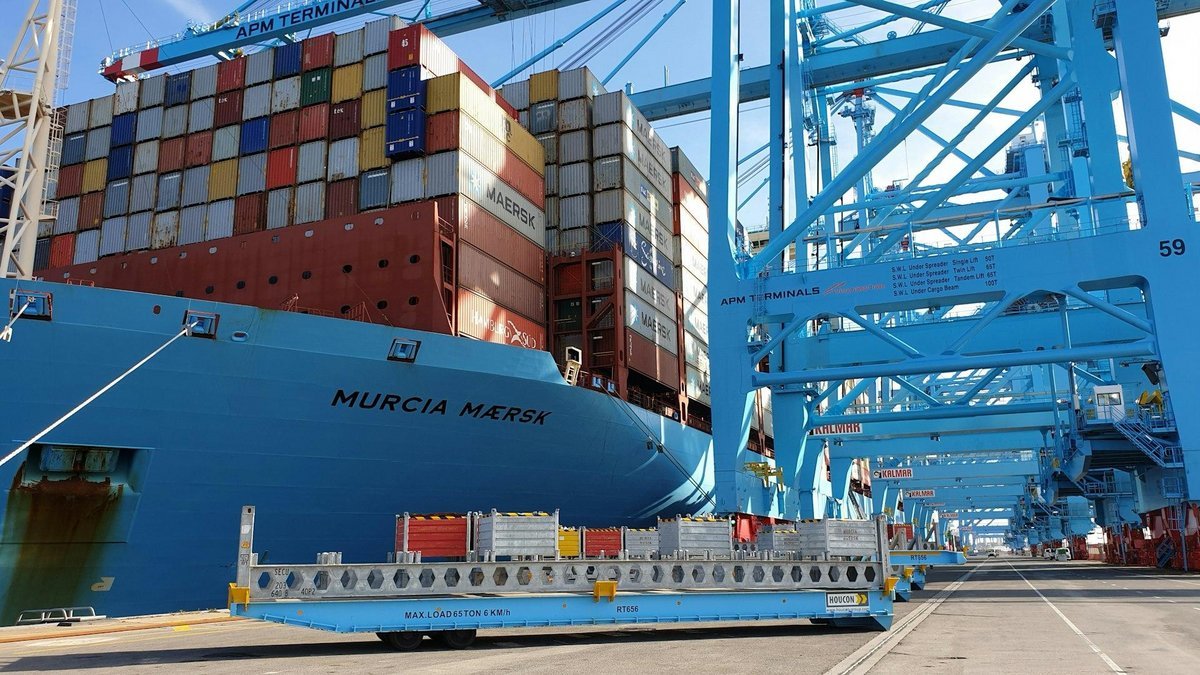
DP World is accelerating a AED 2.5 billion expansion of its Fujairah terminals to bypass the Strait of Hormuz, cutting construction timelines by six months to secure the UAE’s supply chains against maritime disruption. Phased operations at the Al Rugaylat and Dibba terminals are now expected to begin within 18 to 24 months, as the company shifts toward a permanent multi-route logistics network for the region.
Under a 50-year concession, DP World will develop the Al Rugaylat container and multipurpose terminal to handle 2.5 million TEUs and 1.7 million tonnes of general cargo annually. The facility, located near Fujairah International Airport, will accommodate ultra-large container ships. Meanwhile, the Dibba General Cargo terminal will add 3.6 million tonnes of capacity for conventional freight and vehicles, lifting DP World’s total UAE container capacity to nearly 22 million TEUs.
The acceleration follows a massive logistics effort that moved more than one million TEUs by truck and rail from East Coast ports to Jebel Ali between March and October. DP World established a trucking network of 3,000 vehicles to ferry cargo overland, bypassing the Strait of Hormuz for customs clearance and distribution in Dubai. A “Green Corridor” activated with Oman Customs facilitated trade worth AED 34 billion in just four months, allowing sealed trucks to move directly to Jebel Ali under customs control.
Why it matters
For shipowners and charterers, this investment signals that the UAE is no longer treating Hormuz disruptions as temporary hurdles. By fast-tracking Al Rugaylat to handle ultra-large container ships on the East Coast, DP World is providing a permanent insurance policy for carriers. Lines can now plan for a future where they can drop cargo outside the Gulf without losing access to the Jebel Ali ecosystem, effectively decoupling the UAE’s primary trade hub from the volatility of the Strait.
The move shifts Jebel Ali’s role from a primary maritime gateway to a centralized distribution and processing engine fed by land. With occupancy at the Jebel Ali Free Zone exceeding 90% and warehouse space nearly full, the demand for cargo remains high despite transit risks. The success of the overland trucking network, which moved 3,500 TEUs a day during the height of the crisis, proves that the land-bridge model is commercially viable, not just a desperate alternative.
This strategy also forces a deeper regional integration that overrides traditional port competition. The reliance on land corridors through Sohar and Duqm in Oman, and links to Jeddah in Saudi Arabia, creates a cross-border logistics web that is harder to disrupt than a single sea lane. For insurers and cargo owners, this diversification reduces the concentration of risk at a single chokepoint, likely stabilizing the long-term reliability of UAE-bound trade even if safe passage in the Strait remains inconsistent.
What to watch
The next indicator of regional trade health will be the recovery of shipping services at Jebel Ali, which DP World expects within one to three months of safe passage being restored. Additionally, the opening of the US$ 250 million Jeddah Logistics Park in the first quarter of 2027 will further cement the cross-border network connecting the Red Sea to the Gulf.
Source: Container News