DP World Advances Shore Power at Constanta Terminal | Mariner News
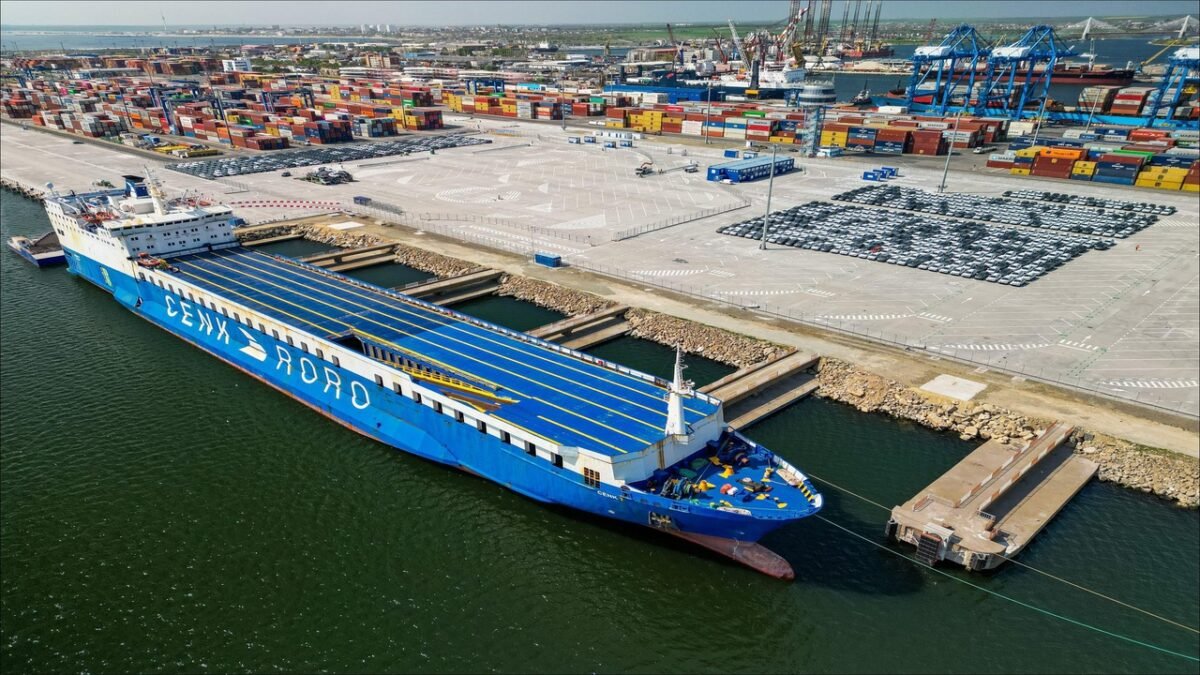
DP World is setting a new benchmark for sustainable maritime operations with the significant advancement of its shore power rollout at the Constanta South Container Terminal in Romania. This ambitious initiative, forming a core component of a larger €100 million electrification program, underscores a profound commitment to environmental stewardship and operational efficiency within the global supply chain. By integrating advanced shore power infrastructure, the Constanta terminal is poised to drastically reduce its carbon footprint, with projections indicating an annual cut of over 6,000 tonnes of CO2 emissions. This move is not merely an upgrade; it represents a strategic transformation aimed at establishing Constanta as a leading green container hub in the critical Black Sea region.
This pivotal project receives substantial backing from a €25 million green loan provided by the European Bank for Reconstruction and Development (EBRD), highlighting the growing international focus on financing eco-friendly infrastructure. The funds are earmarked for a comprehensive overhaul, replacing existing diesel-powered equipment with modern electric alternatives and installing the necessary grid connections for vessels. The implementation of shore power, also known as cold ironing, allows ships to switch off their auxiliary engines while docked, drawing electricity directly from the port’s grid. This not only significantly curtails greenhouse gas emissions but also dramatically improves local air quality and reduces noise pollution, creating a healthier environment for port workers and nearby communities alike. DP World’s proactive investment in sustainable port technology at Constanta reinforces its position as an innovator in the logistics sector, driving forward the agenda for greener shipping.
Electrifying Constanta: A New Era for Black Sea Shipping
The comprehensive €100 million electrification program at DP World’s Constanta South Container Terminal marks a transformative era for maritime logistics in the Black Sea. This substantial investment is strategically allocated to modernize the entire operational infrastructure, shifting away from conventional fossil fuel reliance towards sustainable electric power. The project’s scope includes the deployment of electric rubber-tyred gantry cranes (E-RTGs), electric straddle carriers, and other vital electric handling equipment, all designed to enhance efficiency while drastically minimizing environmental impact. The transition to electric power is a cornerstone of DP World’s broader decarbonization strategy, aiming to create a more resilient and environmentally responsible port ecosystem.
The partnership with the European Bank for Reconstruction and Development through a €25 million green loan is instrumental in accelerating this transition. Green loans are specifically designed to support projects that deliver environmental benefits, and the EBRD’s endorsement underscores the project’s ecological integrity and long-term sustainability goals. This financing not only facilitates the acquisition of state-of-the-art electric machinery but also funds the complex engineering required to integrate shore power capabilities across the terminal. By enabling vessels to plug into the onshore electricity grid, the Constanta terminal will significantly reduce its reliance on ship-based diesel generators, which are major contributors to port-side emissions and noise. This strategic upgrade firmly positions Constanta at the forefront of sustainable port development, fostering a cleaner and more efficient gateway for trade in Southeast Europe.
The Transformative Impact of Shore Power Technology
Shore power technology represents a significant leap forward in reducing the environmental footprint of global shipping. By allowing vessels to connect to the port’s electricity grid, also referred to as ‘cold ironing,’ ships can power all onboard systems—from lighting and heating to refrigeration and navigation—without running their diesel-fueled auxiliary engines. This simple yet profound change eliminates the combustion of heavy fuels while ships are berthed, directly tackling some of the most pressing environmental challenges faced by port cities worldwide. The anticipated reduction of over 6,000 tonnes of CO2 emissions annually at Constanta is a powerful testament to the technology’s potential, equivalent to removing thousands of cars from the road.
Beyond carbon dioxide, the implementation of shore power yields substantial benefits in mitigating other harmful pollutants. Diesel engines emit particulate matter (PM), nitrogen oxides (NOx), and sulfur oxides (SOx), all of which contribute to smog, acid rain, and respiratory illnesses. By switching to grid power, which often originates from cleaner energy sources or is subject to stricter emission controls at power plants, ports can drastically improve local air quality, enhancing public health for residents living near port areas. Furthermore, the elimination of engine noise from idling vessels significantly reduces noise pollution, a common complaint in port communities. This holistic improvement in environmental conditions underscores why shore power is increasingly recognized as a vital component in achieving sustainable port operations and aligning with international maritime decarbonization targets.
DP World’s Commitment to Green Port Operations
DP World’s extensive investment in shore power at Constanta is a clear reflection of its overarching commitment to fostering green port operations and achieving ambitious sustainability goals across its global network. The company recognizes its pivotal role in facilitating world trade and acknowledges the responsibility that comes with it, particularly in minimizing environmental impact. This initiative at Constanta is part of a broader, multi-faceted strategy that encompasses various environmental pillars, including reducing carbon emissions, optimizing energy consumption, conserving biodiversity, and managing waste effectively. DP World aims to integrate sustainable practices into every facet of its logistics and supply chain operations, from port design and equipment procurement to daily operational procedures.
Svitlana Balaban, CEO of DP World Constanța, emphasized the strategic importance of this electrification, stating, “By electrifying our operations, we are not just helping customers build more resilient and sustainable supply chains; we are also strengthening Constanța’s position as the Black Sea’s leading green container hub.” This statement highlights the dual benefits of such initiatives: enabling customers to meet their own sustainability targets while simultaneously enhancing the port’s competitive advantage and regional significance. DP World’s proactive approach to adopting eco-friendly technologies like shore power demonstrates its leadership in an industry grappling with the imperative to decarbonize. These investments are crucial not only for environmental compliance but also for securing long-term operational viability and building trust with stakeholders, customers, and local communities who increasingly demand sustainable business practices.
Paving the Way for a Sustainable Maritime Future
The widespread adoption of shore power and the broader electrification of ports represent a critical pathway toward a truly sustainable maritime future. While the initial investment in infrastructure, such as that at Constanta, can be substantial, the long-term benefits in terms of environmental protection, operational efficiency, and regulatory compliance are immense. Challenges persist, including ensuring the availability of sufficient grid capacity, managing peak demand, and standardizing connections across diverse vessel types. However, collaborative efforts between port authorities, shipping lines, financial institutions like the EBRD, and technology providers are progressively overcoming these hurdles, paving the way for wider implementation.
This project at Constanta serves as a powerful testament to what can be achieved when innovation meets strategic investment and a clear vision for sustainability. As global demand for greener logistics solutions intensifies, ports that embrace advanced technologies like shore power will gain a distinct competitive edge. They will not only attract environmentally conscious shipping companies but also contribute significantly to global climate action efforts, aligning with international targets such as those set by the International Maritime Organization (IMO) for reducing greenhouse gas emissions from shipping. The ongoing electrification programs across the world’s leading ports are not just about environmental compliance; they are about building a more resilient, efficient, and future-proof global supply chain that benefits both commerce and the planet.
In conclusion, DP World’s steadfast commitment to advancing shore power at its Constanta terminal is a landmark development for the Black Sea region and the broader maritime industry. This strategic electrification program, supported by significant green financing, underscores the tangible benefits of investing in sustainable port infrastructure—from substantial CO2 reductions and improved air quality to enhanced operational efficiency. As Constanta evolves into a leading green container hub, it exemplifies the essential role that port innovation plays in driving the global transition towards a cleaner, more sustainable future for shipping and logistics. This initiative sets a powerful precedent, inspiring further investment and collaboration aimed at decarbonizing the maritime sector and ensuring a healthier planet for generations to come.