

Dover Strait Transits Drop 10% as Global Chokepoint Activity Shifts

Commercial vessel transits in the Dover Strait fell 10% in the week to 15 Nov, reflecting broader volatility across key global maritime chokepoints.
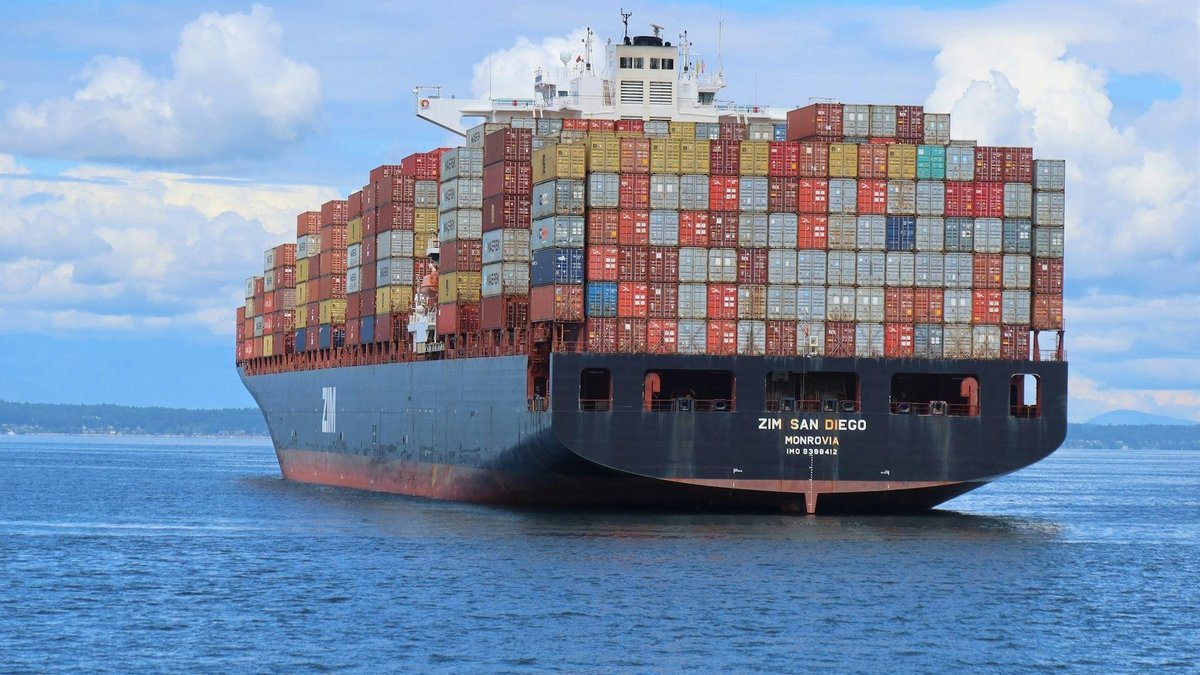
Commercial vessel transits through the Dover Strait fell by 10% in the seven days ending 15 November, reaching 1,113 total movements. This decline, which leaves daily traffic at approximately 159 vessels, matches the year-on-year drop for the same period, according to the latest IMF PortWatch data.
The shift in the Dover Strait coincides with significant volatility across other major maritime corridors. Most notably, transits through the Strait of Hormuz plummeted 41% week-on-week to just 16 vessels, a 97% decrease compared to the same week last year. Meanwhile, the Suez Canal saw a 4% weekly increase to 323 transits, and the Cape of Good Hope recorded 525 transits, a 4% decline from the previous week.
Why it matters
The double-digit decline in Dover Strait traffic suggests a tightening of regional trade flows that impacts vessel operators and charterers reliant on Northern European hubs. With 378 tankers, 267 container ships, and 145 dry bulk carriers accounting for the bulk of the traffic, the reduction in volume points to a potential cooling in short-sea demand or a broader recalibration of vessel scheduling in the North Sea.
The extreme volatility in the Strait of Hormuz, while currently based on provisional AIS data, signals a high level of operational uncertainty for tanker and bulk operators in the region. When combined with the 10% drop in the Dover Strait and a 9% decline in the Strait of Gibraltar, the data suggests that fleet deployment is becoming increasingly fragmented. For shipowners, this volatility complicates voyage planning and increases the risk of underutilization for assets currently positioned in these corridors.
What to watch
PortWatch data is subject to revision as satellite and terrestrial AIS information is processed. Future updates will confirm whether the sharp drop in Hormuz transits represents a sustained trend or a temporary reporting anomaly.