CSL Kuleana: Methanol-Ready Bulker Joins Fleet | Mariner News
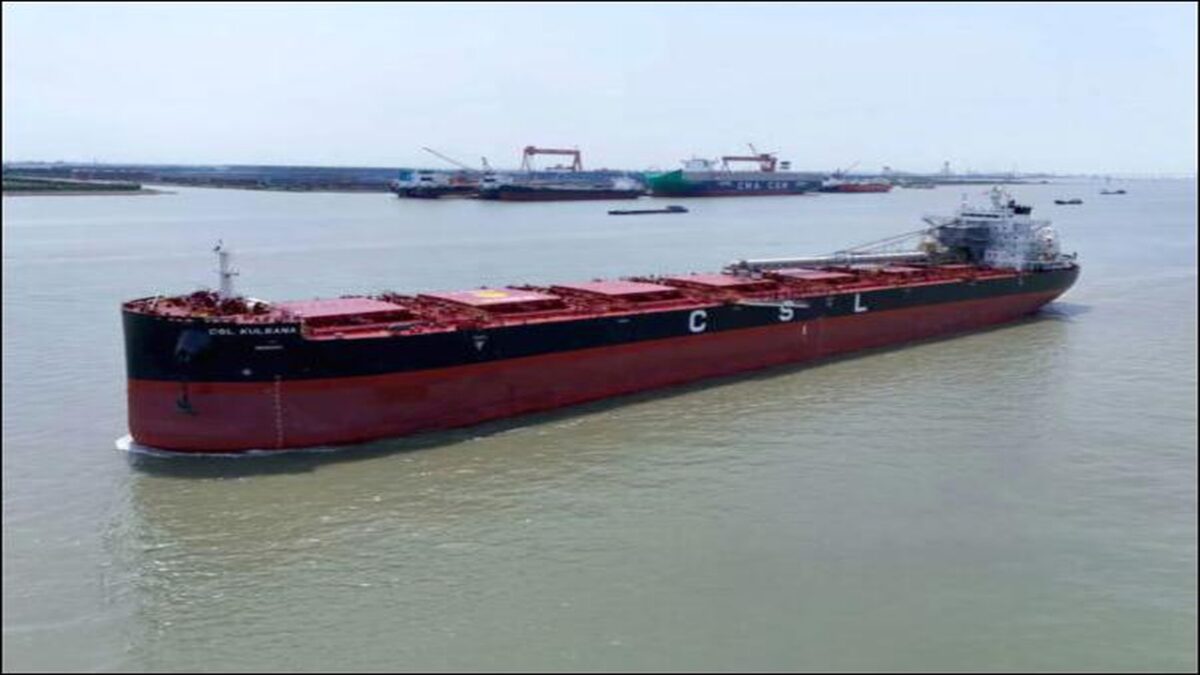
In a significant stride towards a greener future for maritime transport, CSL Group, a global leader in marine dry bulk shipping, proudly announces the delivery of its latest self-unloading bulk carrier, the CSL Kuleana. This state-of-the-art vessel, built by YAMIC Shipyard, represents a pivotal step in the industry’s journey towards decarbonization, distinguished by its crucial methanol-ready bulker design. The CSL Kuleana’s integration into CSL International Pool fleet underscores a growing commitment among shipping giants to embrace innovative technologies that pave the way for environmentally conscious operations and a more sustainable shipping landscape.
The vessel’s arrival marks a crucial moment, signaling not just an expansion of CSL’s impressive fleet but a tangible investment in future-proofed maritime assets. With the global maritime sector facing increasing pressure to reduce its carbon footprint, the adoption of vessels capable of transitioning to alternative fuels like methanol offers a pragmatic and forward-looking solution. This strategic move by CSL Group positions them at the forefront of the green shipping revolution, demonstrating that operational efficiency and ecological responsibility can, and must, go hand in hand.
The Dawn of a New Era: CSL Kuleana’s Arrival and Sustainable Shipping
The delivery of the CSL Kuleana on June 5, 2026, is more than just a routine fleet addition; it’s a testament to CSL Group’s proactive approach to environmental stewardship and fleet modernization. As the fourth of five Kamsarmax newbuilds slated for the CSL International Pool, the CSL Kuleana embodies the company’s vision for a resilient and sustainable maritime future. This self-unloading bulk carrier is designed to meet the evolving demands of dry bulk trades while significantly reducing its environmental impact throughout its operational life. Its advanced features are set to redefine expectations for ecological performance in the bulk shipping segment, showcasing how thoughtful design and strategic investment can contribute to a healthier planet.
For the maritime industry, the term ‘methanol-ready’ has become a beacon of hope for achieving ambitious decarbonization targets set by international regulators. CSL Kuleana’s design ensures that it is not merely compliant with current emissions standards but is also equipped for future conversion to methanol propulsion. This foresight allows CSL to adapt seamlessly to upcoming regulatory changes and technological advancements in marine fuels, ensuring the vessel remains a cutting-edge asset for decades to come. The emphasis on future adaptability highlights a strategic decision to build vessels that can evolve with the industry’s green trajectory, minimizing the risk of obsolescence in a rapidly changing regulatory environment.
Methanol-Ready: A Leap Towards Decarbonization in Maritime Transport
The ‘methanol-ready’ notation is a critical indicator of the CSL Kuleana’s pioneering design. This designation signifies that the ship has been engineered from its inception to facilitate a future conversion to methanol as a primary fuel source. While current operations might rely on conventional fuels, the underlying infrastructure, engine components, and safety systems are all pre-fitted or designed for easy modification to accommodate methanol. This forward-thinking approach dramatically reduces the cost and complexity of future conversions, making the transition to low-carbon fuels a more viable and attractive option for shipowners looking to future-proof their investments. The vessel’s ability to embrace alternative fuels represents a significant step towards achieving the IMO’s ambitious greenhouse gas reduction targets.
Methanol, as an alternative marine fuel, presents several compelling advantages. It offers a cleaner burn compared to traditional heavy fuel oil, resulting in reduced emissions of sulfur oxides (SOx), nitrogen oxides (NOx), and particulate matter. Furthermore, green methanol, produced from renewable sources, offers a pathway to significantly lower lifecycle greenhouse gas emissions, aligning perfectly with the industry’s push for net-zero carbon shipping. The CSL Kuleana’s design flexibility ensures that as the supply chain for green methanol develops and becomes more readily available, the vessel can make a seamless transition, truly embodying sustainable shipping practices. This flexibility is key to navigating the uncertainties of future fuel landscapes and ensures the vessel remains at the vanguard of environmental compliance.
Advanced Engineering for Enhanced Efficiency and Environmental Stewardship
Beyond its methanol-ready capabilities, the CSL Kuleana boasts a suite of advanced engineering features designed for optimal efficiency and environmental performance. The vessel incorporates a fourth-generation Kamsarmax hull design, meticulously crafted to exceed the stringent Energy Efficiency Design Index (EEDI) Level III requirements. This superior hull form minimizes hydrodynamic resistance, leading to reduced fuel consumption and, consequently, lower operational emissions. The inherent design philosophy focuses on maximizing cargo capacity while minimizing environmental impact, making it an exemplary model for modern dry bulk carriers. The vessel’s advanced hull design, coupled with efficient propulsion systems, translates into significant operational savings and a reduced carbon footprint, showcasing a holistic approach to sustainable maritime operations.
Powering the CSL Kuleana are Tier III, methanol-ready engines, representing the pinnacle of marine engine technology. These engines are specifically designed to meet the strictest NOx emission limits, ensuring compliance with environmental regulations in designated Emission Control Areas (ECAs). The ‘methanol-ready’ aspect of the engines further reinforces the vessel’s adaptability, demonstrating CSL’s commitment to investing in propulsion systems that can evolve with the industry’s shift towards cleaner fuels. Moreover, the vessel is equipped with shore power connections, a crucial feature that allows it to plug into land-based electricity grids while in port. This eliminates the need to run auxiliary engines, drastically reducing in-port emissions, noise pollution, and local air quality impacts, contributing positively to port communities and showcasing responsible vessel management.
CSL’s Vision for Sustainable Maritime Operations and Fleet Modernization
CSL Group’s investment in vessels like the CSL Kuleana is a clear reflection of its broader vision for sustainable maritime operations. The company is actively engaged in modernizing its fleet, not just by adding new ships but by ensuring these new additions are built with the environment at their core. This strategy aligns with international efforts to decarbonize shipping and reinforces CSL’s position as an industry leader committed to responsible and ethical business practices. The CSL Kuleana, with its cargo capacity of 72,250 mt and an impressive self-unloading rate of up to 5,000 mt/hour, is not only environmentally sound but also highly efficient and versatile for a wide range of dry bulk trades. This balance of ecological responsibility and operational excellence is a hallmark of CSL’s commitment to future-proof shipping solutions.
The introduction of methanol-ready vessels is a crucial component of CSL’s journey towards meeting and exceeding global environmental targets. It represents a significant step in navigating the complexities of reducing greenhouse gas emissions across its extensive international fleet. By integrating such advanced dry bulk carriers, CSL is not only reducing its own carbon footprint but also setting a precedent for other industry players to follow. This commitment extends beyond individual vessel features to encompass a holistic approach to fleet management, operational optimization, and supply chain collaboration, all aimed at fostering a more sustainable maritime ecosystem. The dedication to fleet modernization and the adoption of cutting-edge green technologies solidify CSL’s leadership in sustainable dry bulk shipping.
The Path Ahead: Future Fuels and Maritime Innovation
While the ‘methanol-ready’ notation is becoming more prevalent across the maritime industry, actual conversions to methanol propulsion remain relatively rare. This highlights the current challenges associated with infrastructure development, fuel availability, and the initial investment costs involved in transitioning to new fuel types. However, CSL’s proactive stance with the CSL Kuleana demonstrates a clear intent to overcome these hurdles and prepare for a future where alternative fuels are the norm rather than the exception. The vessel’s design lays the groundwork for seamless integration of methanol power when economic and logistical conditions are optimal, illustrating a practical long-term strategy.
The CSL Kuleana is a tangible symbol of maritime innovation and the industry’s collective drive towards a cleaner, more sustainable future. Its entry into service is a landmark achievement for CSL Group and a significant indicator of the trajectory of global shipping. As the industry continues to explore and develop a diverse portfolio of alternative fuels—including ammonia, hydrogen, and biofuels—vessels designed with future adaptability, like the CSL Kuleana, will be instrumental in making the transition. This commitment to continuous improvement and embracing technological advancements ensures that CSL will remain a key player in shaping the future of ecological and efficient maritime transport. The ongoing evolution of fuel technology necessitates flexible vessel designs, and the CSL Kuleana exemplifies this foresight, paving the way for advanced, eco-friendly bulk carrier operations globally.