

Consumer Goods Fuel 2026 Transpacific Peak as AI Hype Fades
Sea-Intelligence data confirms traditional retail goods, not AI infrastructure, are driving 2026 Transpacific container volumes.
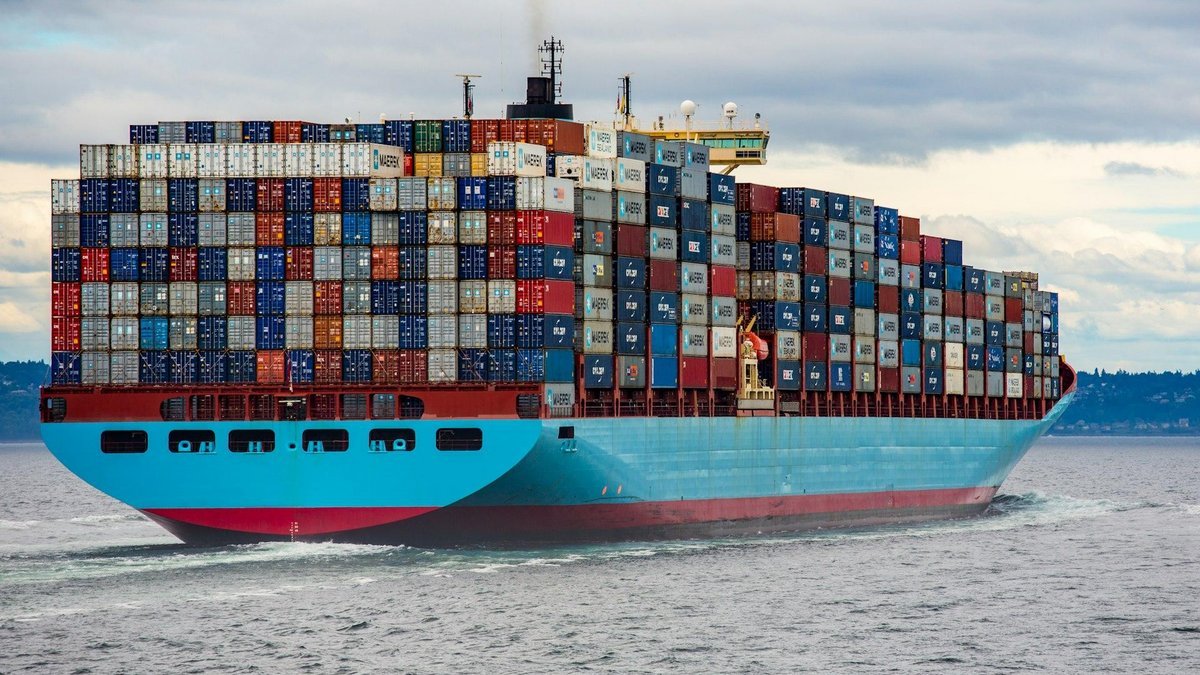
The 2026 Transpacific peak season is a retail-led surge rather than a tech-driven revolution, as Sea-Intelligence data confirms that traditional consumer goods are the primary engine of container volume growth. While the artificial intelligence boom dominates headlines, its impact on ocean freight remains negligible.
Data from the US Census Bureau covering Asia-to-US imports from January 2022 to September 2026 shows that high-value AI computer chips and IT equipment almost exclusively use airfreight. Sea-Intelligence mapped HS8 codes to traditional goods and infrastructure categories to find that the import weight for data centre construction materials has remained almost completely flat.
The current volume growth instead comes from everyday consumer items. Apparel, toys, games, sporting goods, and bicycles are seeing strong growth. Raw manufacturing materials and intermediate goods, including plastics, paper, packaging, and hardware, are also contributing to the 2026 peak season boom.
Why it matters
This data grounds the Transpacific trade in its traditional reality. Shipowners and charterers who expected a windfall from the AI infrastructure build-out must instead look to the resilience of the American consumer. The flat growth in data centre materials suggests that while the digital economy is expanding, its physical footprint is not yet heavy enough to shift the needle for containerized shipping.
The reliance on discretionary items like toys and apparel makes the trade lane more sensitive to interest rates and consumer confidence. If the AI boom were truly driving Transpacific container volumes, the data would show an increase in heavy infrastructure imports. It does not. This leaves the market dependent on the same retail cycles that have defined the route for decades.
The increase in raw materials like plastics and packaging indicates that manufacturing inputs remain a vital secondary pillar. For terminal operators and carriers, this means the operational focus must remain on high-volume, lower-value consumer goods rather than specialized tech infrastructure.
What to watch
The final import weight figures for the fourth quarter of 2026 will confirm whether traditional consumer demand sustained its momentum through the end of the peak season.
Source: Container News