

CLdN Orders First Everllence Mk10.7 Engines for New RoRo Pair
CLdN selects Everllence 8S50ME-GI Mk10.7 dual-fuel engines for two new RoRo vessels, targeting high efficiency and negligible methane slip.
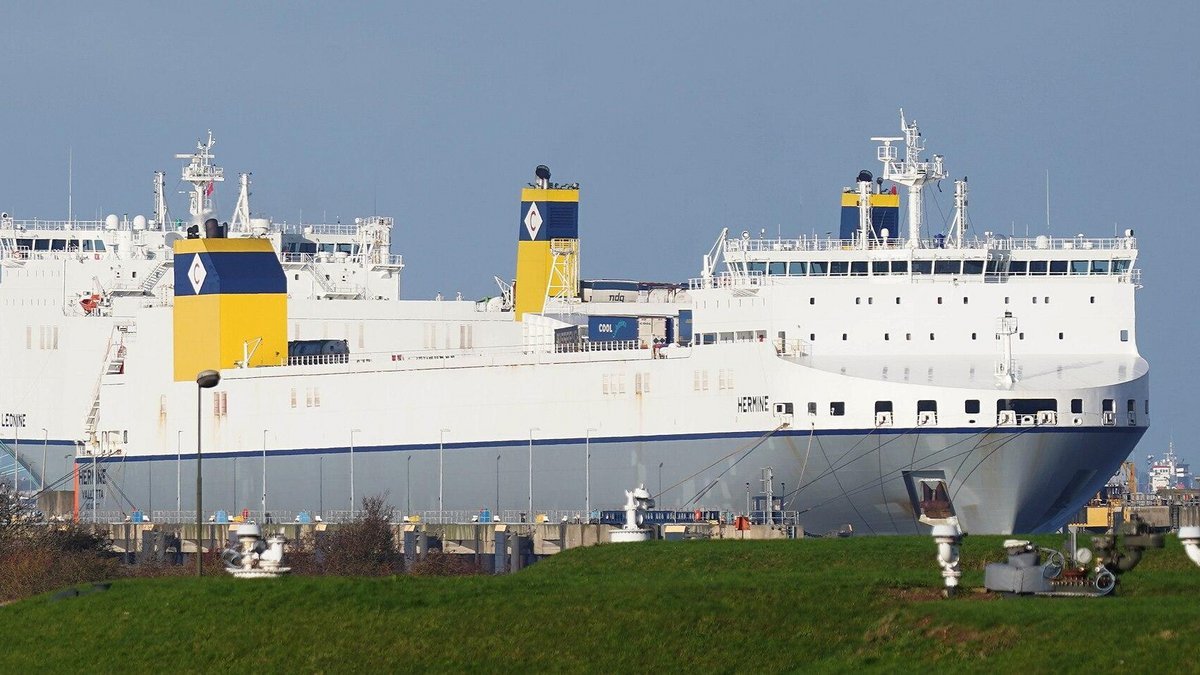
CLdN has placed the first order for Everllence’s 8S50ME-GI Mk10.7 engine, selecting the high-pressure methane dual-fuel units for two 6,700-lane-metre RoRo vessels. The deal establishes a commercial baseline for the latest iteration of a platform designed to solve the methane slip problem that has complicated the transition to gas fuels in short-sea shipping.
The engines will be built by Hyundai EMD and are scheduled for testbed running in July 2028. Delivery to the HD Hyundai Heavy Industries shipyard for installation is set for September 2028. Each unit will include Everllence’s proprietary EcoEGR system to meet Tier III emissions standards, utilizing a single EGR string and a high-speed blower.
The ME-GI design uses high-pressure gas injection and the Diesel combustion principle. According to Everllence, this configuration provides stable combustion and negligible methane slip while allowing the operator to switch between methane and conventional fuel-oil. The vessels will also be equipped for digital integration via the Everllence CEON server, enabling 24/7 remote monitoring and AI-driven performance tools.
Why it matters
This order targets the primary technical weakness of methane as a marine fuel: slip. By opting for the high-pressure ME-GI system on the new Mk10.7 platform, CLdN is betting that the Diesel combustion principle will protect its newbuilds from future regulatory penalties. As emissions monitoring becomes more granular, engines that leak unburnt methane will face higher costs than those that ensure complete combustion.
For RoRo operators, the combination of fuel flexibility and high thermal efficiency is a commercial necessity. Short-sea routes demand strict schedule reliability, and the ability to switch fuels without losing performance provides a hedge against local supply disruptions or price spikes in the LNG market. The inclusion of digital monitoring tools suggests CLdN is moving toward a predictive maintenance model to minimize downtime on its multimodal logistics routes.
The 2028 delivery timeline places these vessels in a market where carbon intensity and methane leakage will likely be under intense scrutiny. By selecting the latest generation of two-stroke technology now, CLdN is attempting to future-proof its fleet against the next decade of environmental regulations while maintaining the high power output required for large RoRo operations.
What to watch
The July 2028 testbed running will provide the first data on whether the Mk10.7 platform delivers the promised efficiency and slip reductions in a single-engine, controllable-pitch propeller configuration.
Source: The Maritime Executive