

Asian Owners Secure 2030 Delivery Slots in Container Newbuilding Surge
Asian carriers and owners are securing 2030 delivery slots for container ships ranging from feeders to 14,000 TEU units.
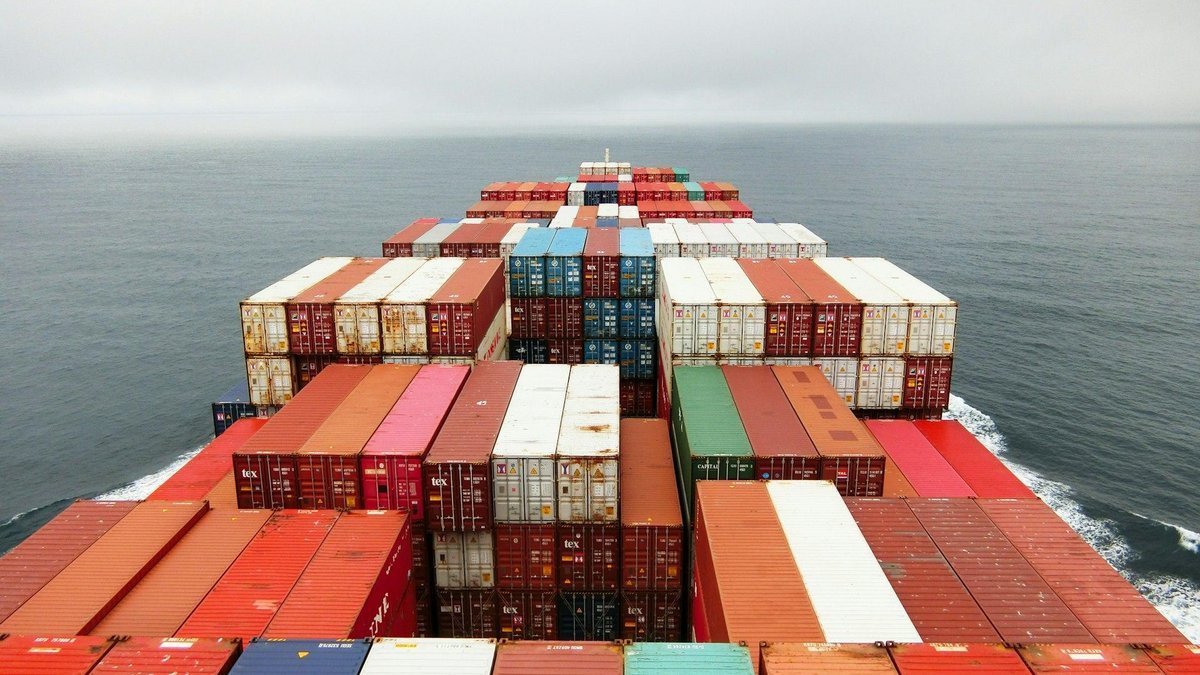
Asian container carriers and independent shipowners are aggressively securing shipyard slots for the end of the decade, with a wave of newbuilding orders and leasing programmes now stretching delivery timelines into 2030. The latest investments, spanning feeder vessels to 14,000 TEU units, signal a strategic push to lock in mid-sized and regional capacity as shipyard availability for the late 2020s tightens.
Ningbo Ocean Shipping is leading the financial scale of these developments with a proposed 20-year leasing programme for eight vessels. The plan, pending shareholder approval, involves two 14,000 TEU and four 7,000 TEU container ships, alongside two 7,000 CEU car carriers. The total financial commitment is estimated at approximately US$1.55 billion, covering lease payments and potential vessel purchase prices at the conclusion of the contracts.
Extended Delivery Timelines
A notable trend across the recent orders from T.S. Lines, Namsung Shipping, and Eastern Pacific Shipping is the concentration of 2030 delivery dates. T.S. Lines has contracted two 11,000 TEU ships from Shanghai Waigaoqiao Shipbuilding for approximately US$123 million each, while South Korea’s Namsung Shipping has booked two 7,100 TEU units at Dalian Shipbuilding Industry Corporation with options for two additional vessels.
The shift toward 2030 deliveries for these mid-sized vessels indicates that major Asian yards have largely exhausted their capacity for the 2027-2029 window. For regional players like T.S. Lines and Namsung, committing to six-year lead times for 7,000 to 11,000 TEU tonnage reflects a necessity to secure fleet renewal slots far in advance, a planning horizon previously more common for ultra-large container vessels.
Conventional Fuel and Feeder Renewal
In a reported move, Eastern Pacific Shipping is understood to be behind an order for four conventionally fuelled vessels at Japan’s Imabari Shipbuilding. The contract, estimated at US$360 million, covers two 6,000 TEU and two 9,000 TEU ships scheduled for 2030. While the order has not yet been formally confirmed, it highlights a continued appetite for traditional propulsion in the mid-size segment despite the industry’s broader transition toward alternative fuels.
At the smaller end of the scale, Netherlands-based A2B-online is continuing its fleet renewal at China Merchants Industry Weihai Shipyard. The carrier has ordered its third and fourth units, which are expected to be similar to the 650 TEU vessels ordered from Türkiye’s Sedef Shipyard in 2023. These short-sea investments, alongside the larger deep-sea orders, demonstrate that the current newbuilding momentum is a comprehensive re-fleeting across the container spectrum, driven by the need to replace aging tonnage with more efficient designs regardless of vessel size.
Source: Container News