

Asean Seas Line cuts Shekou from China–Philippines service
Asean Seas Line has revised its SVP service, dropping Shekou to focus on direct links between Nansha, Xiamen, and the Philippines.
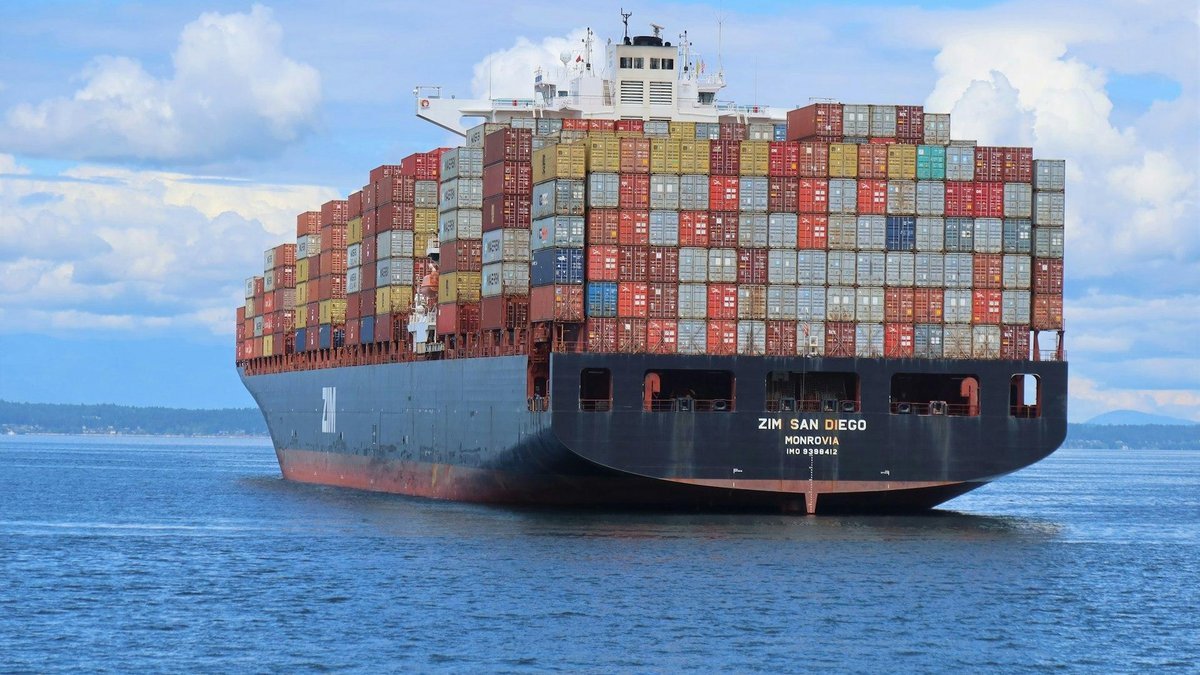
Asean Seas Line (ASL) has dropped Shenzhen’s Shekou port from its China–Philippines SVP service, narrowing the loop to focus on two Chinese hubs and two Philippine destinations. The move streamlines the regional rotation as the carrier continues to adjust its network connections between southern China and the Philippines.
According to DynaLiners, the revised service relies on a single container vessel with a capacity of approximately 1,100 TEU. The new rotation connects Xiamen and Nansha in China with Manila and Subic Bay in the Philippines. The full rotation now runs Xiamen – Nansha – Manila – Subic Bay – Xiamen.
The removal of Shekou follows previous changes to ASL’s China–Philippines connections. While the carrier has reduced its regular Chinese port coverage, it maintains direct connections between the remaining southern Chinese ports and the two Philippine destinations.
Why it matters
Removing Shekou simplifies the schedule for the single 1,100 TEU vessel deployed on the route. For charterers and cargo owners, this likely points to more predictable transit times between Nansha and the Philippines. By cutting a port call, the carrier reduces the risk of schedule delays and avoids the additional port fees associated with a Shekou call.
The change forces shippers specifically using the SVP service out of Shekou to find alternative regional connections or move cargo to Nansha. By retaining Xiamen and Nansha, ASL is betting that these two hubs can capture sufficient volume for the Philippines trade without the overhead of a third Chinese port call on this specific loop.
This is a tactical tightening of a small-scale service. Operating a single-vessel loop leaves no room for error; removing a major hub like Shekou suggests ASL is prioritizing schedule integrity over broad port access. It also indicates that the carrier sees Nansha and Xiamen as the primary engines for its southern China-to-Philippines volumes.
What to watch
ASL has not yet specified the effective date for the new rotation. Market participants should monitor the carrier’s next schedule update to see if the removal of Shekou allows the 1,100 TEU vessel to increase its round-trip frequency or simply provides a larger buffer for existing windows.
Source: Container News