Armed Boarding Off Yemen Ends as Crew Safe and Ship Proceeds

Armed individuals vacate a cargo ship off Yemen as naval forces face rising piracy and Houthi attacks in the Gulf of Aden.
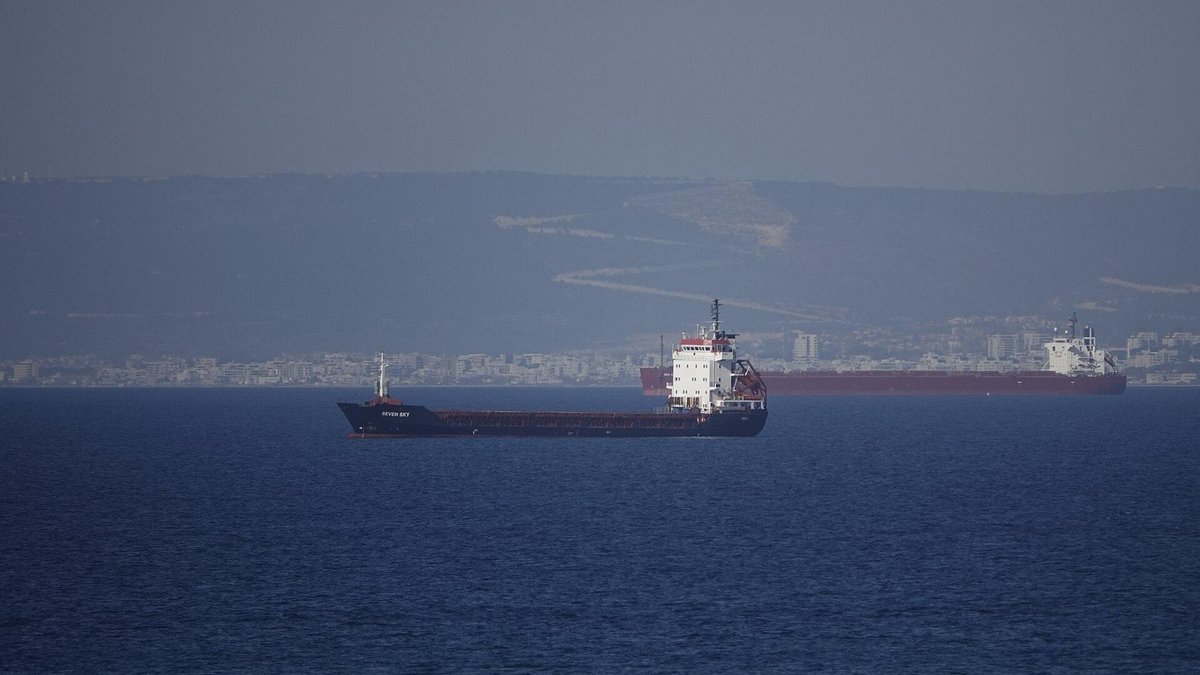
Armed individuals vacated a cargo ship off the coast of Yemen on Saturday, but the brief takeover highlights a growing security vacuum as naval forces struggle to manage both Houthi strikes and resurgent Somali piracy.
The United Kingdom Maritime Trade Operations (UKMTO) agency confirmed the vessel and its crew are safe after armed men assumed command 64 nautical miles southwest of Balhaf at 0630 GMT. The ship is now proceeding to its next port of call. A European Union naval mission also reported a piracy incident in the area on Saturday, though it did not confirm if the two reports involved the same vessel.
This boarding follows a separate incident on Thursday where six armed people took control of a tanker and diverted it toward Somalia. It also coincides with the rescue of the Sibu 1, a US-sanctioned oil tanker freed by Puntland maritime police on Friday after being held by Somali pirates since August.
Why it matters
The incident points to a dangerous overlap between political conflict and opportunistic crime. While Houthi forces target specific shipping interests in the Red Sea, the resurgence of piracy in the Gulf of Aden suggests that regional instability is emboldening criminal groups to resume boardings in waters previously considered under control.
Naval assets in the region are stretched thin. The world’s top maritime piracy observer notes that two major regional conflicts are diverting the warships required to patrol these lanes. For shipowners and charterers, this means the presence of international task forces no longer provides a reliable deterrent against armed boardings or hijackings.
The safe conclusion of this specific boarding does not lower the risk profile for the Gulf of Aden. The fact that armed groups can board a vessel and assume command, even briefly, indicates that security protocols and naval response times are currently insufficient to prevent unauthorized access. This leaves crews and assets vulnerable to prolonged detention, as seen in the months-long hijacking of the Sibu 1.
What to watch
Future reports from the European Union naval mission and UKMTO will clarify if these boardings indicate a coordinated shift in pirate tactics or isolated opportunistic strikes as naval forces remain focused on the Red Sea conflict.