Anew Climate & SEA-LNG Boost Bio-LNG for Maritime Decarbonization | Mariner News
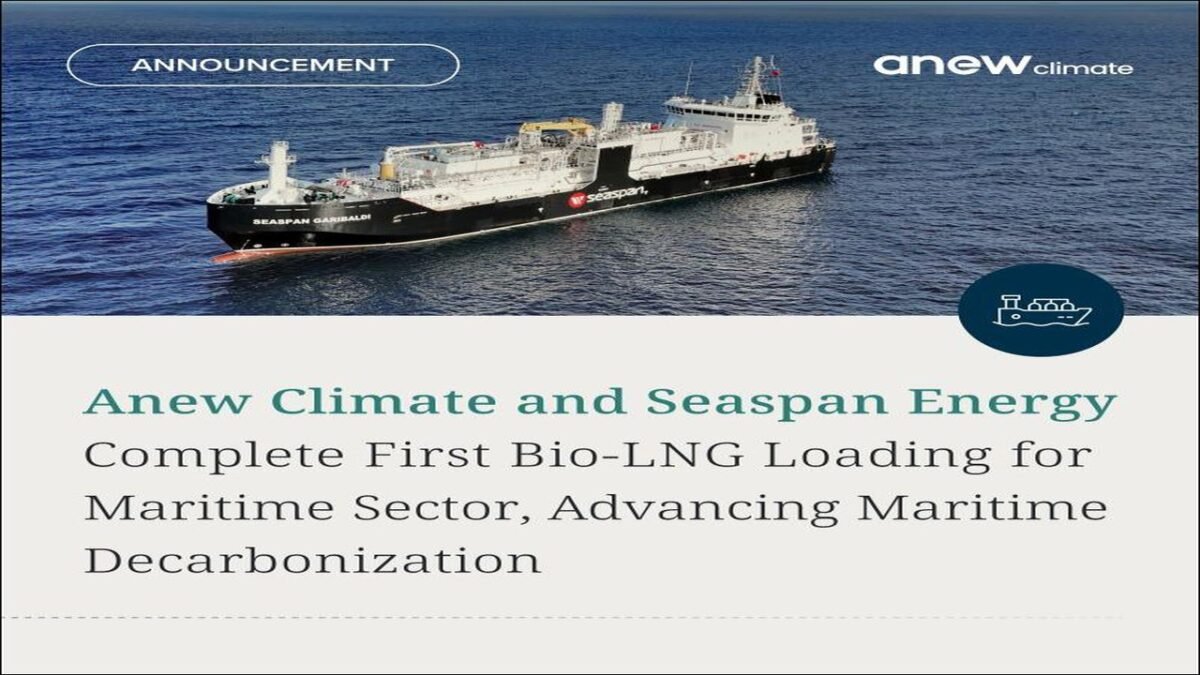
The global maritime industry is navigating an urgent course towards decarbonization, and a significant milestone has been achieved as Anew Climate, a leading US-based low-carbon fuels and solutions firm, officially joins SEA-LNG, a prominent multi-sector industry coalition dedicated to accelerating the uptake of liquefied natural gas (LNG) as a marine fuel. This strategic partnership underscores a shared commitment to advancing sustainable shipping practices, with a particular focus on driving the wider adoption of bio-LNG as a viable and immediate solution for reducing emissions across the global fleet. The collaboration is poised to amplify efforts in integrating cleaner energy alternatives into the marine fuel mix, marking a pivotal moment for environmental stewardship in the shipping sector.
This alliance comes at a crucial time when the shipping industry faces mounting pressure from regulatory bodies and environmental advocates to transition away from high-emission traditional bunker fuels. Bio-LNG represents a promising pathway for maritime decarbonization, offering a cleaner, more sustainable alternative to conventional fossil fuels. By bringing together Anew Climate’s expertise in supplying low-carbon fuels and SEA-LNG’s influential platform, the partnership is set to enhance advocacy, education, and infrastructure development necessary for widespread bio-LNG adoption, paving the way for a greener, more sustainable future for global shipping operations and supply chains.
The Strategic Alliance for Sustainable Shipping
SEA-LNG has long been a vocal proponent for LNG as a maritime fuel, highlighting its immediate benefits in reducing sulfur oxides (SOx), nitrogen oxides (NOx), and particulate matter emissions, alongside a significant reduction in greenhouse gas emissions compared to heavy fuel oil. The inclusion of Anew Climate, a company at the forefront of low-carbon fuel innovation, into this esteemed coalition further strengthens the case for LNG’s role in the energy transition. Anew Climate’s robust supply capabilities for bio-LNG across critical maritime hubs in North America, Europe, and Asia perfectly complement SEA-LNG’s mission to promote LNG’s environmental and operational advantages to the global shipping community.
Andy Brosnan, President of Low Carbon Fuels at Anew Climate, emphasized the immediate impact of bio-LNG. “Bio-LNG is one of the most practical and scalable tools available today to help the maritime sector reduce emissions and meet evolving regulatory requirements,” Brosnan stated. This sentiment resonates deeply with the urgent need for tangible, deployable solutions that can make a difference right now, rather than relying solely on future technologies. The partnership ensures that the benefits and accessibility of renewable natural gas (RNG) for marine applications are communicated effectively to shipowners, operators, and policymakers worldwide.
Steve Esau, COO of SEA-LNG, highlighted the geographical and strategic expansion brought by Anew Climate’s membership. “Anew’s membership expands our North American footprint and supports the methane decarbonisation pathway’s global expansion,” Esau noted. This expansion is vital for building a resilient, global supply chain for sustainable marine fuels, ensuring that shipowners have reliable access to bio-LNG wherever their vessels operate. The collaboration is more than just a partnership; it’s a strategic alignment aimed at accelerating the transition towards a truly low-carbon shipping industry through collaborative action and shared expertise.
Bio-LNG: A Cleaner Marine Fuel Solution
Bio-LNG, or biomethane that has been liquefied, is chemically identical to conventional LNG, making it an ideal ‘drop-in’ fuel. This means that existing LNG-fuelled vessels do not require any modifications to their engines or fuel systems to utilize bio-LNG, significantly lowering the barrier to adoption. Sourced from organic waste materials such as agricultural residues, municipal solid waste, and wastewater treatment, bio-LNG offers a highly compelling environmental profile. Its production process captures methane that would otherwise be released into the atmosphere, contributing to a substantial reduction in overall greenhouse gas emissions on a lifecycle basis.
The environmental benefits of bio-LNG are extensive. When utilized in marine engines, it can reduce carbon dioxide emissions by up to 80-90% compared to traditional marine fuels, and even achieve carbon neutrality or negativity depending on the feedstock and production process. Furthermore, like conventional LNG, bio-LNG virtually eliminates SOx and particulate matter emissions, while significantly cutting NOx emissions, thereby improving air quality in port areas and along shipping routes. This makes bio-LNG a critical component of any comprehensive strategy for sustainable maritime transport and air pollution control.
Its growing availability is another key advantage. Bio-LNG is already being bunkered at an increasing number of locations, particularly across Europe, demonstrating its commercial viability and operational readiness. As demand grows, investments in production and infrastructure are expected to accelerate, further enhancing its accessibility. The ability to leverage existing LNG infrastructure for both storage and bunkering provides an efficient and cost-effective pathway for shipowners looking to decarbonize their fleets without incurring prohibitive capital expenditures on new propulsion systems or infrastructure.
Expanding Global Reach and Impact
Anew Climate’s role as a supplier of bio-LNG across key shipping hubs in North America, Europe, and Asia is crucial for establishing a robust global supply chain for this cleaner marine fuel. The company’s capabilities ensure that ship operators have consistent access to sustainable fuel options, supporting continuous and reliable low-carbon operations on major trade lanes. This global reach is instrumental in normalizing bio-LNG as a mainstream fuel and demonstrating its scalability to meet the demands of international shipping. By facilitating access, Anew Climate helps remove one of the primary obstacles to wider adoption – fuel availability.
The partnership also plays a vital role in educating the market about the full potential of bio-LNG. Many in the maritime sector are still grappling with the complexities of various alternative fuels. Through joint initiatives, Anew Climate and SEA-LNG can provide clearer information on the environmental credentials, operational advantages, and long-term viability of bio-LNG, dispelling misconceptions and building confidence among stakeholders. This educational outreach is essential for informed decision-making and for accelerating investment in bio-LNG infrastructure and vessel conversions.
Moreover, the collaboration strengthens advocacy efforts aimed at shaping supportive policy and regulatory frameworks. By presenting a unified industry front, Anew Climate and SEA-LNG can more effectively engage with international maritime organizations, national governments, and port authorities to champion policies that incentivize the production and use of bio-LNG. Such advocacy is critical for creating a level playing field for sustainable fuels and ensuring that regulatory pathways align with technological advancements and environmental goals, fostering an environment where green shipping solutions can thrive and scale globally.
Driving Maritime Decarbonization Forward
The maritime sector is on an irreversible journey towards achieving ambitious decarbonization targets set by the International Maritime Organization (IMO) and various national governments. Bio-LNG offers a pragmatic, immediate, and impactful solution to meet these evolving regulatory requirements, providing a significant step towards zero-emission shipping. The ‘drop-in’ nature of bio-LNG, coupled with the existing global LNG bunkering infrastructure, positions it as a leading contender for bridging the gap between current fossil fuel dependency and future zero-emission technologies like green ammonia or hydrogen.
This partnership reinforces the importance of a multi-fuel strategy for the shipping industry. While future fuels are being developed, solutions like bio-LNG allow vessels to significantly reduce their carbon footprint today. It provides a credible pathway for fleet owners to incrementally decarbonize their operations, making progress on their environmental goals without having to wait for nascent technologies to mature or new, extensive infrastructure to be built. This pragmatic approach is vital for the industry’s ability to achieve meaningful reductions in greenhouse gas emissions within the decade.
The collaboration between Anew Climate and SEA-LNG serves as a powerful example of how industry leaders can unite to drive sustainable change. By focusing on practical, scalable solutions like bio-LNG, they are not only addressing immediate environmental challenges but also laying robust groundwork for long-term sustainability. Their combined efforts will undoubtedly accelerate the transition to cleaner marine fuels, fostering a resilient, environmentally responsible, and economically viable future for global maritime trade.
The Future of Green Shipping
The commitment shown by Anew Climate and SEA-LNG to champion bio-LNG is a testament to the industry’s increasing dedication to environmental stewardship and innovation. This alliance is more than just a business partnership; it represents a shared vision for a future where global shipping can sustain economic growth while dramatically reducing its environmental footprint. The continued expansion of bio-LNG supply, coupled with advocacy and education, is essential for its widespread adoption and for unlocking its full potential as a truly transformative marine fuel.
As the maritime sector continues its journey towards net-zero emissions, collaborative efforts and the deployment of ready-to-use sustainable fuels like bio-LNG will be paramount. The combined expertise and reach of Anew Climate and SEA-LNG will undoubtedly accelerate the industry’s progress, ensuring that cleaner shipping is not just an aspiration but a tangible reality within reach. Their work will inspire further innovation and investment in sustainable technologies, driving the entire shipping ecosystem towards a greener horizon.
Ultimately, the success of bio-LNG adoption will depend on sustained collaboration across the value chain, from fuel producers and suppliers to shipowners, ports, and policymakers. The partnership between Anew Climate and SEA-LNG creates a powerful synergy that is poised to lead this charge, offering a compelling blueprint for how the shipping industry can effectively navigate its decarbonization journey. This forward-thinking approach will not only benefit the environment but also secure the long-term viability and social license of global maritime transport. The future of green shipping is being shaped now, and bio-LNG is playing an increasingly vital role.