ABS Joins Korea-U.S. Initiative for Shipbuilding Future | Mariner News
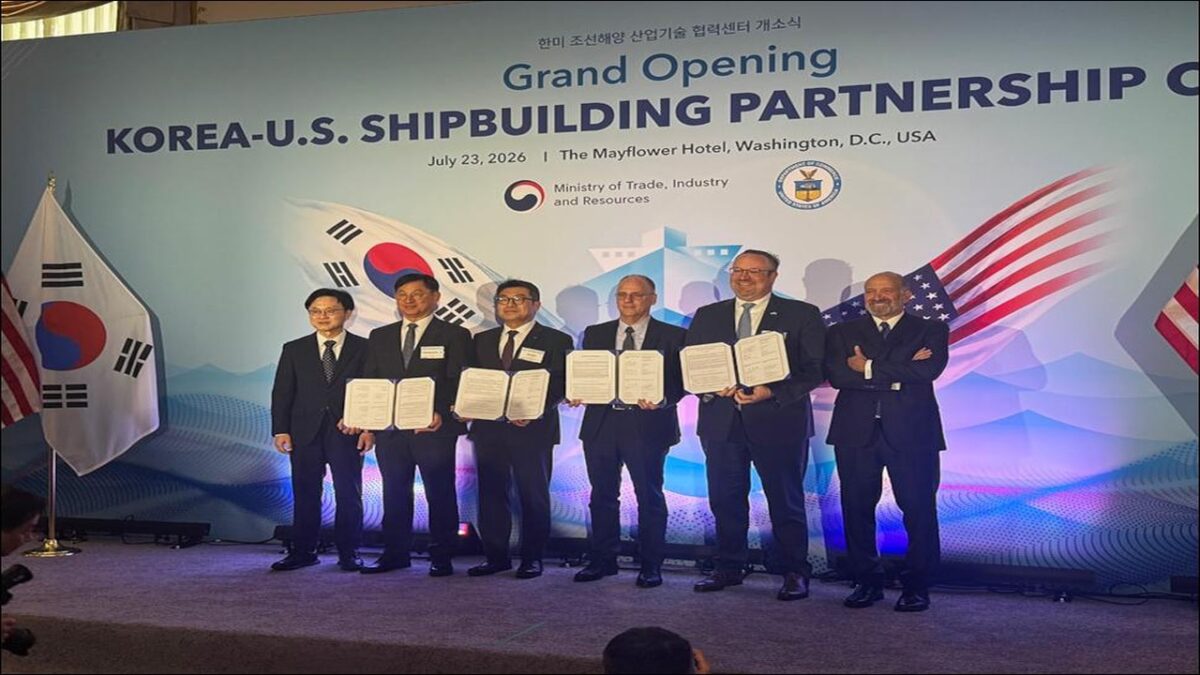
In a pivotal move set to redefine the global maritime landscape, ABS, a leading provider of classification and technical advisory services to the marine and offshore industries, has officially joined a landmark Korea-U.S. initiative aimed at significantly advancing the future of shipbuilding. This strategic collaboration, formalized through a new agreement with prominent institutions including the Korea Research Institute of Ships and Ocean Engineering (KRISO), the Korea Institute for Advancement of Technology (KIAT), and Texas A&M University (TAMU), establishes a robust framework for joint research, technology development, and expansive maritime innovation. The groundbreaking partnership signals a concerted effort to foster technical excellence and cross-border cooperation within the vital shipbuilding and broader maritime sectors, marking a significant milestone in international industrial development.
The genesis of this ambitious venture lies in the recent inauguration of the Korea-U.S. Shipbuilding Partnership Center (KUSPC). This center is envisioned as a central hub for bilateral cooperation, designed to seamlessly connect industry leaders, esteemed academic institutions, and cutting-edge research bodies from both nations. By creating this synergistic environment, the KUSPC aims to accelerate progress on shared innovation priorities, tackling some of the most pressing challenges and opportunities facing the global maritime industry today. The focus extends beyond conventional shipbuilding techniques, delving deep into next-generation technologies that promise to revolutionize ship design, construction, and operation.
The memorandum of understanding (MOU) signed by ABS, KRISO, KIAT, and Texas A&M University outlines a comprehensive strategy for cooperation. This includes coordinated efforts in developing advanced technologies, facilitating joint research projects that leverage diverse expertise, fostering extensive knowledge exchange between specialists, and promoting robust industry-academia collaboration. Such a multifaceted approach is critical for translating theoretical advancements into practical, real-world applications that can genuinely impact the efficiency, safety, and environmental footprint of the world’s merchant fleet.
Forging a Path for Next-Generation Shipbuilding Advancement
The commitment by ABS to this significant Korea-U.S. initiative underscores the critical importance of international collaboration in driving the next wave of shipbuilding innovation. The maritime industry, facing increasing demands for decarbonization, digitalization, and enhanced operational efficiency, requires a concerted global effort to develop and deploy transformative solutions. This partnership brings together unparalleled expertise, creating a dynamic ecosystem where ideas can flourish and cutting-edge technologies can be rapidly prototyped and implemented.
Each participating institution brings a unique and invaluable set of capabilities to the table. KRISO, with its deep roots in ship and ocean engineering research and development, offers extensive scientific knowledge and experimental facilities crucial for foundational breakthroughs. KIAT’s mandate to support industrial technology innovation and facilitate international cooperation provides the necessary bridge between research and commercial application, ensuring that advancements are market-relevant and globally competitive. Texas A&M University contributes its formidable academic research prowess and educational programs, nurturing the next generation of maritime engineers and scientists who will sustain this momentum.
ABS, as a global leader in maritime classification, brings its extensive experience in safety, risk assessment, and regulatory compliance. Its role is pivotal in ensuring that emerging technologies and innovative shipbuilding methods meet the highest standards of safety and operational integrity, facilitating their acceptance and widespread adoption across the industry. The organization’s insights into real-world operational challenges and its classification expertise are instrumental in guiding research efforts towards practical, sustainable outcomes.
The shared vision for next-generation shipbuilding extends to several key technological domains. These include the development of advanced materials for lighter, stronger, and more resilient vessels; the integration of artificial intelligence and machine learning for predictive maintenance and optimized ship performance; and the exploration of novel propulsion systems powered by alternative fuels such as hydrogen, ammonia, and biofuels. The goal is not merely incremental improvement but a fundamental transformation of how ships are designed, built, and operated to meet the environmental and economic imperatives of the 21st century.
The Korea-U.S. Shipbuilding Partnership Center (KUSPC) Vision
The Korea-U.S. Shipbuilding Partnership Center (KUSPC) is more than just a collaboration; it is a strategic platform designed to cultivate a fertile ground for maritime innovation and technological leadership. By serving as a central hub, the KUSPC aims to streamline communication, facilitate resource sharing, and amplify the impact of individual research efforts. This synergistic approach is crucial for accelerating the pace of innovation and ensuring that both nations remain at the forefront of global shipbuilding advancement.
John McDonald, ABS Chairman and CEO, articulated the profound significance of this alliance, stating, “Strengthening the connection between leading institutions in Korea and the United States is an important step in advancing the next generation of shipbuilding and maritime technology. Innovation succeeds when research, industry insight and practical application come together. By bringing together world-class partners across research and technology, this initiative creates a strong foundation for collaboration that can support safer, smarter shipbuilding in both countries.” His statement encapsulates the core philosophy of the KUSPC: that true progress emerges from the convergence of diverse perspectives and specialized knowledge.
The KUSPC’s agenda will likely encompass a wide array of high-priority research areas. These include advanced manufacturing techniques, such as robotic automation and additive manufacturing, to enhance efficiency and precision in ship construction. Digitalization will play a central role, with a focus on developing comprehensive digital twins for entire ship lifecycles, improving design, testing, and operational management. Furthermore, the partnership will explore enhanced cybersecurity measures to protect increasingly interconnected and autonomous maritime systems from evolving threats.
Beyond technological development, the KUSPC also aims to foster human capital development. This involves creating programs for workforce training, researcher exchange, and educational initiatives that will equip future generations with the skills needed to navigate the complexities of modern shipbuilding. By investing in talent, the initiative ensures a sustainable pipeline of expertise, solidifying the long-term impact of the Korea-U.S. maritime partnership.
Advancing Maritime Technology and Sustainable Innovation
The global maritime industry is currently undergoing an unprecedented period of transformation, driven by a confluence of regulatory pressures, technological advancements, and shifting economic landscapes. This Korea-U.S. initiative, spearheaded by ABS and its partners, directly addresses these challenges by focusing on key areas of maritime technology and sustainable innovation. The development of greener, more efficient vessels is no longer an option but a necessity, and this partnership is poised to deliver groundbreaking solutions.
One of the primary objectives is to accelerate the decarbonization of shipping. This involves intensive research into alternative marine fuels, exploring their viability, safety, and operational characteristics. Beyond fuels, the initiative will also investigate innovative propulsion systems, energy efficiency technologies, and carbon capture solutions applicable to the maritime sector. The overarching goal is to significantly reduce greenhouse gas emissions from ships, aligning with global climate targets and fostering a more environmentally responsible shipping industry.
Digital transformation is another cornerstone of this collaboration. The integration of smart technologies, such as the Internet of Things (IoT), artificial intelligence (AI), and big data analytics, is set to revolutionize ship operations, maintenance, and logistics. This partnership will drive the development of advanced sensor technologies for real-time performance monitoring, AI-driven predictive maintenance systems to minimize downtime, and sophisticated data analytics platforms to optimize routing and fuel consumption. These innovations will not only enhance operational efficiency but also improve safety and reliability across the fleet.
The realm of autonomous shipping also stands to benefit significantly from this initiative. While fully autonomous vessels are still some way off, the development of intelligent navigation systems, remote monitoring capabilities, and advanced decision-support tools is progressing rapidly. The collaboration will explore the technical and regulatory frameworks required for various levels of maritime autonomy, ensuring that these cutting-edge technologies are implemented safely and effectively. This will open new possibilities for efficiency, reduce human error, and enhance crew welfare.
Furthermore, the initiative’s focus on advanced materials science and manufacturing processes will lead to ships that are not only more environmentally friendly but also more robust and durable. Lighter composite materials, more resilient steel alloys, and innovative coatings can extend vessel lifespan, reduce maintenance needs, and improve hydrodynamic performance, all contributing to a more sustainable and economically viable maritime ecosystem.
Collaborative Ecosystem for Global Maritime Leadership
The establishment of this formidable collaborative ecosystem involving ABS, KRISO, KIAT, and Texas A&M University represents a strategic convergence of diverse strengths, positioning both Korea and the U.S. at the vanguard of global maritime leadership. The synergy generated by pooling intellectual capital, research infrastructure, and industry insights is expected to yield innovations that will have far-reaching implications for the entire shipping value chain.
This partnership extends beyond technological advancements to cultivate a culture of open innovation and knowledge sharing. By breaking down geographical and institutional barriers, the initiative fosters a dynamic environment where researchers, engineers, and industry professionals can freely exchange ideas, learn from each other’s experiences, and collectively address complex challenges. This cross-pollination of expertise is essential for driving truly transformative change in an industry as globally interconnected as maritime.
Moreover, the collaboration is poised to create significant economic benefits for both nations. By fostering a competitive edge in advanced shipbuilding technologies, the initiative can stimulate job creation, attract further investment, and enhance the global market share of participating companies and institutions. It will also facilitate the development of new products and services, creating fresh revenue streams and strengthening the overall economic resilience of the maritime sectors in Korea and the U.S.
The long-term impact of such a comprehensive partnership is multifaceted. It will not only accelerate the pace of technological development but also contribute to the establishment of new international standards and best practices for future shipbuilding and maritime operations. As the industry navigates increasingly stringent environmental regulations and demands for greater efficiency, initiatives like the KUSPC will be crucial in providing the innovative solutions and leadership necessary to meet these evolving requirements.
Shaping the Sustainable Future of Maritime Operations
Ultimately, the collaboration between ABS and its distinguished partners in Korea and the U.S. is about shaping a more sustainable and prosperous future for maritime operations worldwide. By committing to advanced research and development, this initiative is directly addressing the grand challenges of decarbonization, digitalization, and safe autonomy that define the modern maritime era. The insights and technologies emerging from this partnership will form the bedrock of next-generation vessels and operational paradigms.
The emphasis on sustainability within this initiative is paramount. From developing cleaner fuel alternatives to designing more energy-efficient hull forms and integrating smart operational systems, every facet of the research is geared towards reducing the environmental footprint of shipping. This commitment aligns with global efforts to combat climate change and transition towards a net-zero future, positioning the maritime industry as a responsible steward of the world’s oceans.
The impact on global supply chains and trade will also be substantial. More efficient, reliable, and environmentally friendly ships will enhance the resilience and sustainability of international commerce, benefiting economies and consumers worldwide. The advancements in smart shipbuilding and maritime technology will contribute to safer working conditions for seafarers and shore-based personnel, leveraging automation and intelligent systems to mitigate risks and improve operational oversight.
In conclusion, ABS’s engagement in this landmark Korea-U.S. initiative represents a powerful testament to the transformative potential of international cooperation in driving maritime innovation. The combined expertise and resources of ABS, KRISO, KIAT, and Texas A&M University, channeled through the KUSPC, are set to unlock new frontiers in shipbuilding and maritime technology. This collaboration will not only foster safer, smarter, and more sustainable vessels but also solidify the leadership of both nations in shaping the evolving future of the global maritime industry for decades to come.