

3PL profit growth masks internal restructuring and integration risks
Major 3PLs report strong earnings, but internal management shifts and integration struggles threaten operational reliability for cargo owners.
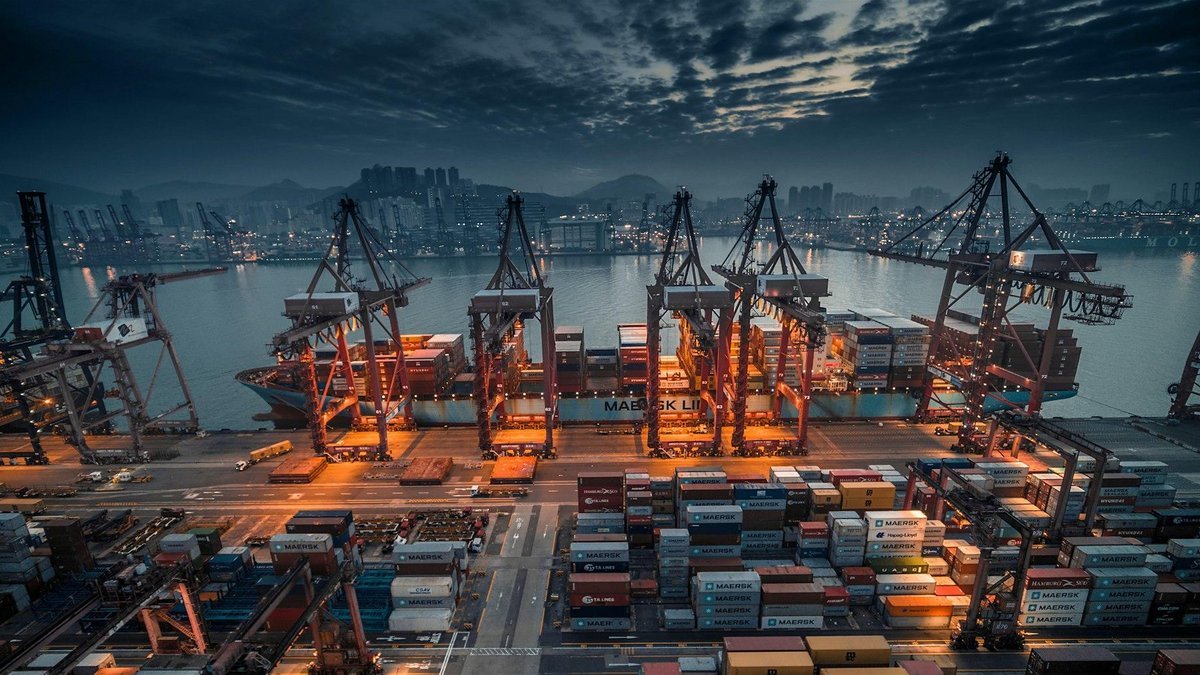
Major third-party logistics providers are reporting improved profits and raised expectations, but these financial gains hide internal struggles with management overhauls and integration hurdles.
Earnings season shows improving profits across the major 3PL sector, according to data from theloadstar.com. Management teams are raising expectations, with many claiming their current strategies are working. However, the financial results do not necessarily indicate a better logistics provider.
Behind the numbers, some companies are wrestling with integration issues. Others are dismantling management structures that served them for decades, while some are pursuing entirely new strategic directions.
Why it matters
A strong balance sheet does not move cargo. For charterers and cargo owners, the current 3PL earnings season creates a false sense of stability. While management teams project confidence, the internal dismantling of long-term management structures suggests that service consistency is at risk. Financial health is a lagging indicator that can obscure operational friction.
Operational instability often follows when companies prioritize integration and structural changes over day-to-day execution. Shipowners and terminal operators should prepare for shifts in how these 3PLs manage their accounts and make decisions. Established communication channels may disappear as firms abandon management models that functioned for forty years.
The disconnect between financial reporting and operational reality means the logistics market is more volatile than the earnings suggest. The risk for seafarers and port operators is that internal corporate wrestling will lead to delays or administrative errors that the balance sheet cannot fix.
What to watch
The next round of operational performance data will reveal whether these management changes and new strategic directions deliver better logistics or simply more complexity for the supply chain.
Source: The Loadstar