Zhonggu Logistics Orders 10 Feeder Container Ships | Mariner News
In a significant move poised to reshape its operational landscape, Zhonggu Logistics has placed a substantial order for 10 new feeder container ships, marking a decisive step in the company’s ongoing fleet expansion and modernization strategy. This pivotal investment underscores the growing demand within the maritime logistics sector and Zhonggu Logistics’ commitment to bolstering its service capabilities, particularly in coastal and regional shipping routes. The announcement, detailing the construction of these 1,800 TEU vessels, comes at a time when global supply chains are seeking greater efficiency and reliability, making such strategic fleet enhancements crucial for industry leaders.
This robust investment by Zhonggu Logistics is not merely about increasing vessel count; it represents a forward-thinking approach to enhancing its competitive edge and service resilience. The move reflects an astute understanding of market dynamics, where agile and efficient feeder services are increasingly vital for the seamless flow of goods between smaller ports and major international shipping hubs. As the company prepares for the delivery of these new assets between 2028 and 2029, the entire shipping industry is watching closely, anticipating the broader implications for containerized trade and regional connectivity.
Strategic Fleet Expansion: Bolstering Maritime Logistics
Zhonggu Logistics’ decision to acquire 10 new feeder container ships is a cornerstone of its long-term strategic vision, aiming to fortify its position within the competitive maritime transport sector. This substantial fleet upgrade is designed to significantly enhance the company’s capacity for handling containerized cargo, especially along its established domestic and regional shipping routes. By investing in modern 1,800 TEU vessels, Zhonggu Logistics is directly addressing the escalating demand for reliable and efficient feeder services, which are critical for optimizing supply chain operations and connecting various port networks.
This expansion is particularly pertinent given the current global emphasis on robust logistics networks. Feeder vessels play an indispensable role in the intermodal transport chain, ensuring that cargo from smaller ports can reach larger transshipment hubs, and vice-versa, without significant delays. For Zhonggu Logistics, this means improved service frequency, reduced transit times, and enhanced flexibility in route planning, all of which contribute to a superior customer experience and operational efficiency. The strategic deployment of these new ships will allow the company to better serve its clients, offering more comprehensive and agile shipping solutions across key maritime corridors.
Furthermore, this initiative aligns with broader trends in the shipping industry that prioritize larger, more efficient vessels to achieve economies of scale. While these are feeder vessels, their standardized capacity of 1,800 TEU suggests a focus on optimal cargo aggregation for regional distribution. The company’s proactive stance in expanding its fleet underscores its commitment to maintaining leadership in a dynamic and ever-evolving market, preparing for future growth in trade volumes and the evolving needs of global commerce. This forward momentum by Zhonggu Logistics sets a benchmark for other players in the container shipping segment.
The New Feeder Container Ships: Specifications and Impact
Each of the 10 new feeder container ships ordered by Zhonggu Logistics will boast a capacity of 1,800 TEU (Twenty-foot Equivalent Units). This specific capacity is considered ideal for feeder operations, balancing the need for significant cargo volume with the agility required to navigate various port sizes and traffic conditions. These vessels are designed to be highly efficient, contributing to reduced operational costs and a lower carbon footprint, aligning with the industry’s increasing focus on environmental sustainability.
The choice of 1,800 TEU vessels reflects a strategic sweet spot for connecting smaller coastal ports with major international deep-sea terminals. Such ships are crucial for distributing imported goods to diverse regional markets and collecting export cargo for consolidation onto larger ocean-going vessels. Their optimized size allows for greater flexibility in port calls and improved turnaround times, which are vital for maintaining the fluidity of the container supply chain. This enhancement directly supports the seamless flow of goods, minimizing congestion and accelerating delivery schedules for shippers.
Moreover, the introduction of these modern container vessels is expected to bring technological advancements that improve fuel efficiency and navigational precision. These features are not only beneficial for the environment but also for the economic viability of Zhonggu Logistics’ operations. By investing in state-of-the-art shipbuilding technology, the company is ensuring that its fleet remains at the forefront of maritime innovation, capable of meeting stringent regulatory standards and the evolving demands of global trade. The impact of these ships will be felt across the entire logistics chain, enhancing reliability and capacity.
Partnership with Qingshan Shipyard: A Shipbuilding Perspective
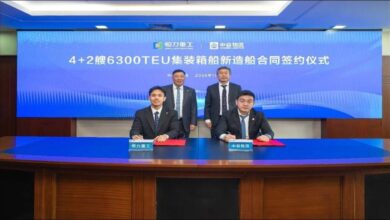
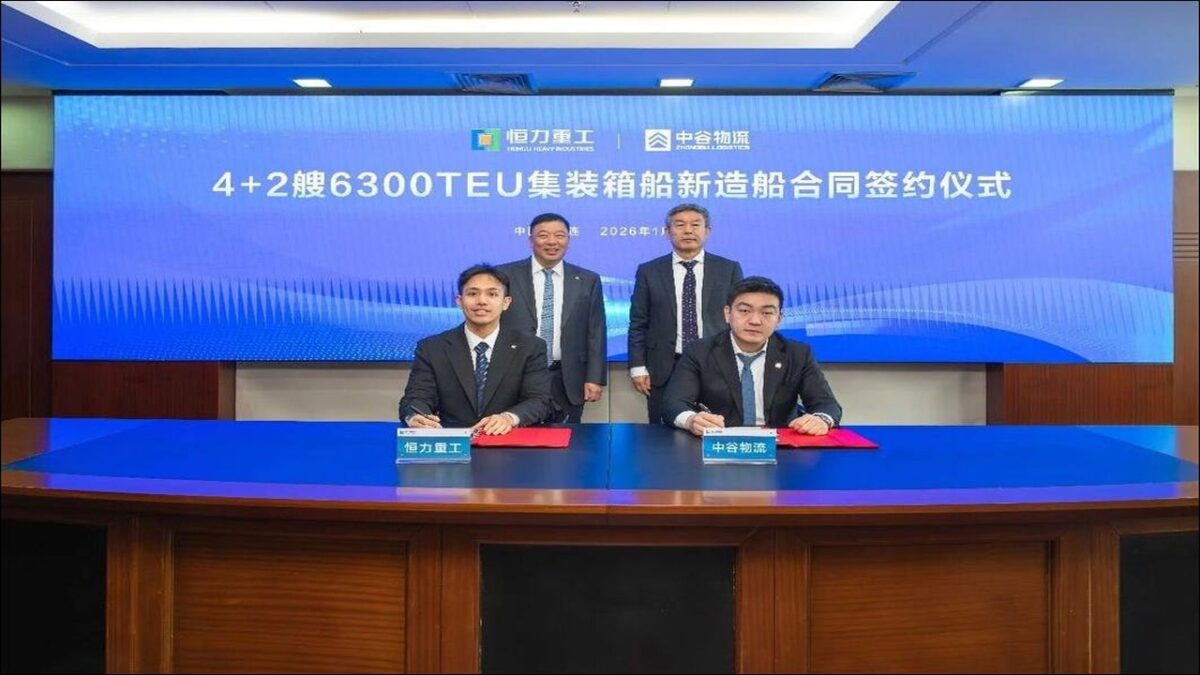
The contract for the construction of these 10 feeder container ships has been awarded to Qingshan Shipyard, a reputable name in the shipbuilding industry. This collaboration signifies a partnership built on trust and a shared commitment to quality and timely delivery. Qingshan Shipyard is known for its expertise in constructing various types of commercial vessels, and their selection by Zhonggu Logistics highlights their capability to meet the stringent requirements of modern container shipping.
The total contract value for these vessels will not exceed RMB 2.7 billion, which translates to a cost of approximately RMB 270 million per vessel. This financial outlay represents a significant capital expenditure for Zhonggu Logistics but is a justifiable investment given the long-term operational benefits and enhanced asset value. The pricing appears competitive within the current shipbuilding market, reflecting a balanced approach between cost-effectiveness and the assurance of high-quality construction and advanced maritime engineering.
Delivery of these new feeder container ships is anticipated between 2028 and 2029, indicating a structured and phased integration into Zhonggu Logistics’ existing fleet. This timeline allows for meticulous planning regarding crew training, route optimization, and market adjustment, ensuring a smooth transition and maximizing the operational readiness of each vessel upon its completion. The partnership with Qingshan Shipyard is a testament to the strong linkages within China’s domestic maritime industrial complex, fostering national economic growth and technological advancement in shipbuilding.
Financial Investment and Market Implications
Zhonggu Logistics’ investment of up to RMB 2.7 billion for these 10 feeder container ships is a clear indicator of its financial strength and its strategic commitment to long-term growth in the maritime sector. This substantial capital allocation reflects a confident outlook on the future of container shipping, particularly in key regional markets served by the company. Such an investment is typically financed through a combination of internal resources, debt financing, and potentially equity, showcasing robust financial management.
Economically, the acquisition will have several ripple effects. Firstly, it enhances Zhonggu Logistics’ asset base, potentially improving its balance sheet and attracting further investor confidence. Secondly, the increased capacity will allow the company to capture a larger market share and meet rising demand, which could translate into higher revenues and profitability in the coming years. This strategic outlay positions the company favorably against competitors who may not be as aggressive in their fleet modernization efforts, providing a distinct competitive advantage.
From a broader market perspective, an order of this magnitude suggests a sustained positive outlook for global and regional trade, particularly within Asia. Feeder services are the lifeblood of intricate logistics networks, and an expansion here signals confidence in the continued flow of goods through ports and across oceans. The financial commitment by Zhonggu Logistics sends a strong message to the industry about the resilience and growth potential within the container segment, driving optimism and potentially encouraging similar investments from other maritime players.
Future Outlook for Maritime Logistics and Container Shipping
The addition of these 10 feeder container ships will significantly bolster Zhonggu Logistics’ overall fleet, enhancing its capability to service a wider range of routes and increase sailing frequencies. This expansion is crucial for maintaining agility and responsiveness in a global trade environment characterized by fluctuating demand and evolving supply chain complexities. The improved capacity will allow the company to offer more reliable and frequent services, a key differentiator in attracting and retaining clients.
Beyond just capacity, the strategic timing of these deliveries between 2028 and 2029 positions Zhonggu Logistics to capitalize on future market conditions. By then, global trade patterns may have further evolved, with an increased emphasis on regionalization and optimized intermodal connections. The new vessels, being modern and efficient, are likely to meet future environmental regulations and technological standards, ensuring their long-term viability and contribution to sustainable shipping practices.
Ultimately, this significant investment by Zhonggu Logistics is more than just a purchase of new ships; it is an investment in the future of maritime logistics. It underscores the importance of continuous fleet renewal and expansion for companies aiming to remain competitive and deliver exceptional value in the dynamic world of container shipping. The enhanced fleet will play a crucial role in connecting diverse economies, supporting global trade, and ensuring that goods reach their destinations efficiently and reliably for years to come.