Viking Line Boosts Bio-LNG Use Tenfold in 2025 | Mariner News
Viking Line significantly increased its commitment to sustainable shipping in 2025, ramping up its Viking Line Bio-LNG consumption by a remarkable tenfold. This strategic shift saw the Finnish shipping company bunker approximately 6,000 metric tonnes of bio-LNG, a substantial leap from the 600 metric tonnes used in 2024. This aggressive adoption of renewable marine fuel underscores Viking Line’s dedication to environmental stewardship and decarbonization efforts within the maritime industry.
Driving Emissions Reductions
The substantial increase in bio-LNG uptake translated directly into significant environmental benefits. Viking Line reported that this higher consumption of sustainable marine fuel reduced greenhouse gas emissions from its vessels by over 60,000 tonnes in 2025. This impressive reduction highlights bio-LNG’s effectiveness as a cleaner alternative to traditional fossil fuels, contributing to a greener future for ferry operations on key routes.
Strategic Partnership and Fleet Integration
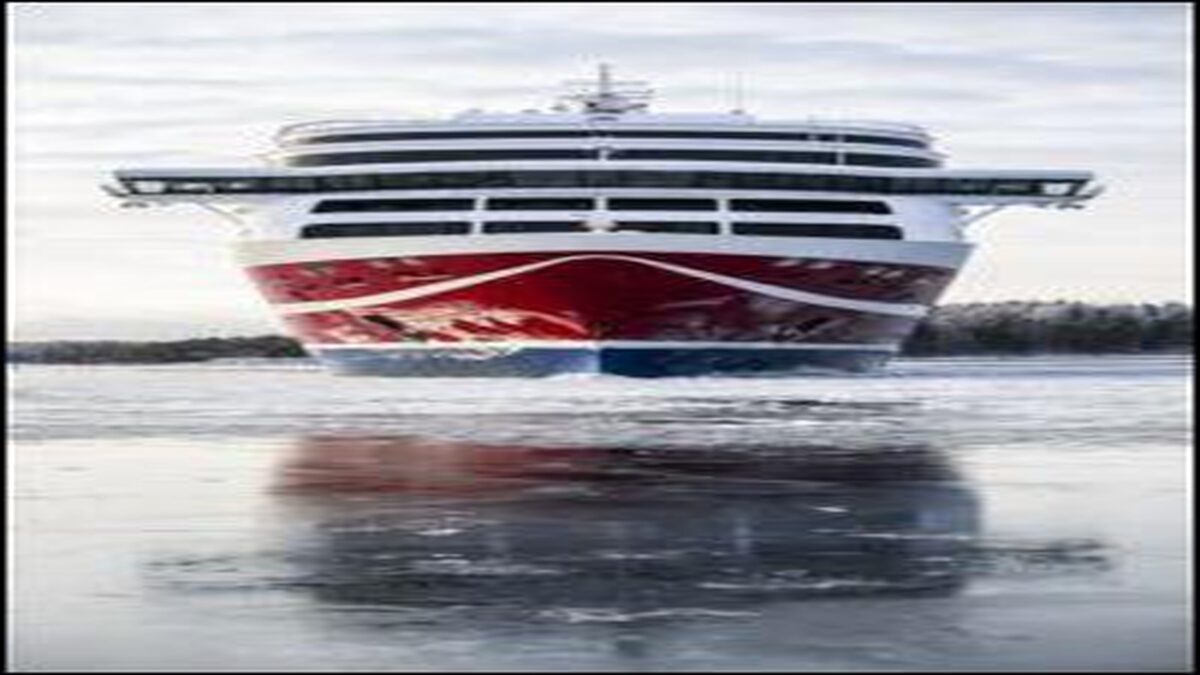
Viking Line has been actively collaborating with Gasum for the supply of this crucial bio-LNG, showcasing a strong partnership aimed at advancing sustainable bunkering solutions. The company’s ferries, Viking Glory and Viking Grace, operating on the busy Turku–Stockholm route, are at the forefront of this green initiative, demonstrating the practical application and benefits of bio-LNG as a drop-in fuel. This renewable natural gas, derived from organic materials like biomass and waste, seamlessly integrates into existing LNG-fuelled ships and infrastructure.
The Future of Sustainable Maritime Fuel
Bio-LNG represents a vital pathway for the shipping sector’s energy transition. Its compatibility with current LNG bunkering infrastructure makes it an accessible and scalable solution for companies looking to reduce their carbon footprint. Viking Line’s pioneering efforts serve as a compelling example for the broader industry, illustrating the tangible environmental and operational advantages of investing in advanced, eco-friendly marine fuels for long-term sustainability.