US Trade Policy’s Impact on Americans & Global Shipping | Mariner News
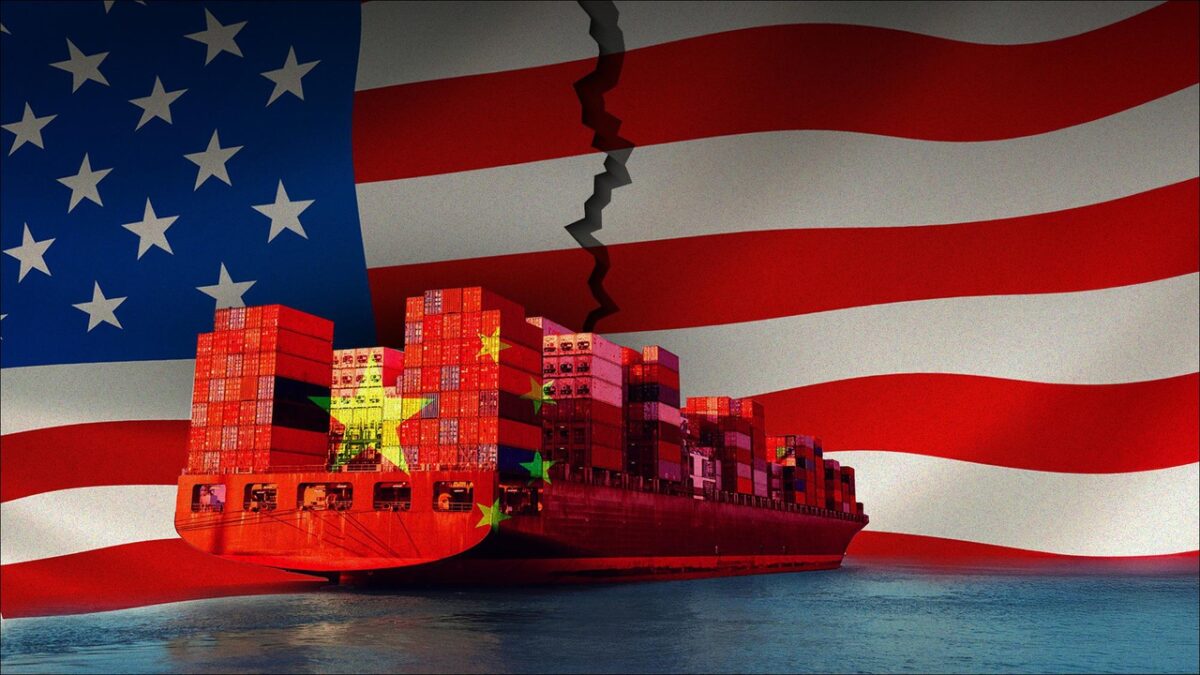
Shipping analyst Lars Jensen highlights a critical perspective: US trade policy predominantly affects the American economy itself, rather than significantly altering the global trade landscape for others. While President Trump’s tariffs garnered headlines and caused domestic shifts, data suggests international container volumes continued to surge elsewhere, illustrating a self-contained impact on the United States. This view challenges the common perception of widespread global disruption.
The Domestic Impact of Tariffs on Americans
Tariffs imposed under US trade policy primarily translate into higher costs for American consumers and businesses. These import duties drive up prices for goods, influencing everything from manufacturing inputs to everyday consumer products. Jensen’s analysis underscores that while the US sought to reshape trade, the immediate economic burden and adjustments were largely felt within its own borders, prompting internal market reactions and inflationary pressures.
Global Container Trade Adapts and Expands
Despite the US setting a particular tone in its trade relations, the rest of the world’s container trade proved resilient and adaptive. Container volumes between other nations have consistently increased, demonstrating that global supply chains can reconfigure and find new paths. This ongoing growth in international shipping outside of direct US influence highlights a dynamic and evolving global trade system, capable of shifting focus and maintaining momentum even amid unilateral policy changes from a major economic player.
This perspective reveals that while US trade policies undoubtedly have consequences, their most profound and lasting effects are often concentrated within the American market, leaving the broader international shipping and trade community to find alternative avenues for growth and collaboration.