US Tanker Boardings & International Law Compliance | Mariner News
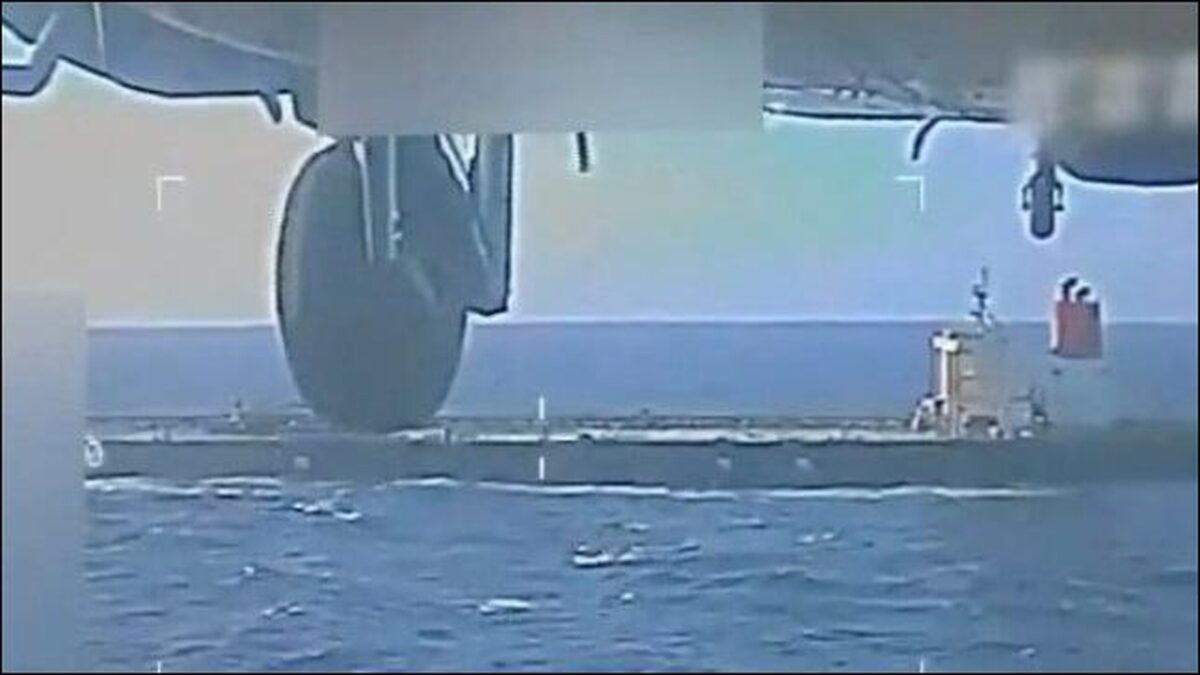
Recent US tanker boardings have sparked debate, with some questioning their legality under international law. However, an in-depth look at established maritime regulations suggests many of these operations are consistent with global legal frameworks. This article clarifies the international law governing vessel interdictions, particularly those involving tanker vessels, and how it applies to recent events. It’s crucial to understand these provisions to differentiate legitimate enforcement from unlawful acts at sea.
Understanding Maritime Law & Vessel Interdictions
International maritime law, primarily the UN Convention on the Law of the Sea (UNCLOS), permits limited circumstances for warships to board foreign vessels on the high seas. While the U.S. has not ratified UNCLOS, it adheres to its principles as customary international law. Claims of “piracy” are often misapplied; legal piracy under UNCLOS is strictly defined as private violent acts for private ends, which does not encompass state-sanctioned operations.
Legal Grounds for Tanker Boardings
UNCLOS Article 110 outlines specific exceptions to flag state jurisdiction, allowing states to board vessels suspected of piracy, slave trade, unauthorized broadcasting, being stateless, or falsely claiming nationality. These provisions are central to assessing the legality of specific tanker boardings. For instance, interdictions of stateless vessels, or those linked to illicit activities and attempting to evade international sanctions, fall under these recognized legal exceptions.
Understanding the nuances of international maritime law is vital for interpreting US tanker boardings. Far from being arbitrary acts, these operations often adhere to established legal precedents, ensuring maritime security and compliance on the high seas.