US Supercarrier Ford Resumes Deployment After Repairs | Mariner News
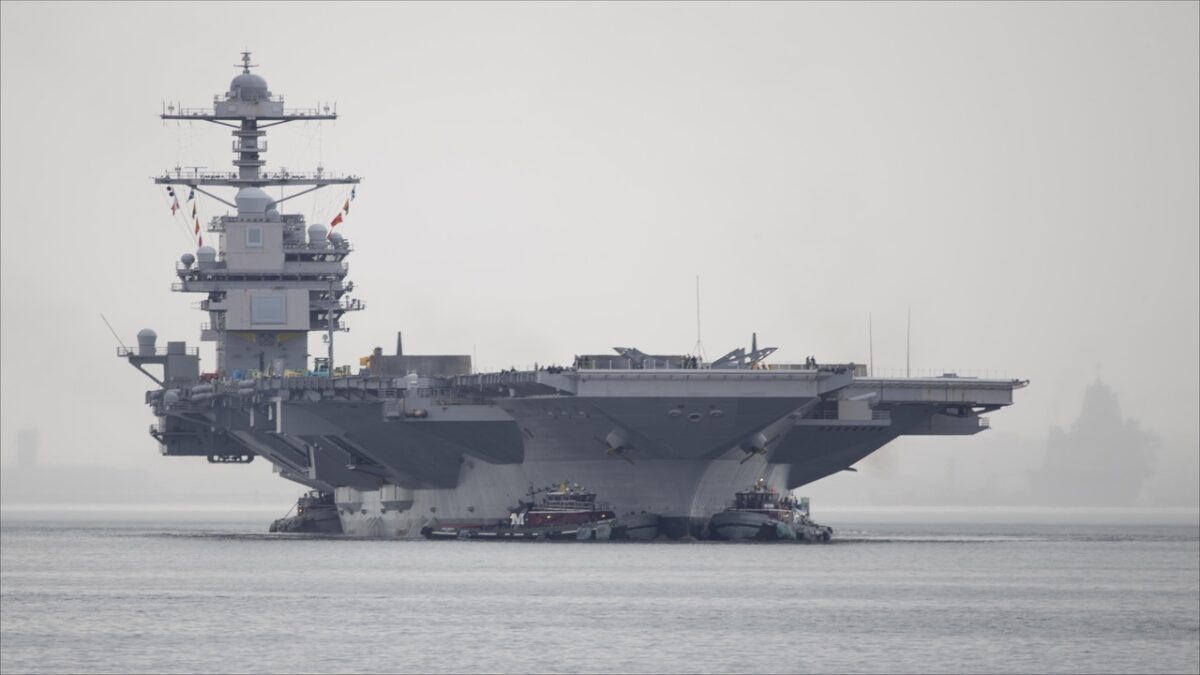
The powerful US Supercarrier USS Gerald R. Ford has swiftly returned to its operational duties, demonstrating remarkable resilience and the efficiency of naval repair capabilities. After a brief but critical four-day period of maintenance and repairs at the Souda Bay naval base in Crete, the formidable aircraft carrier is once again on the move, continuing its vital deployment. This rapid return to service underscores the unwavering commitment of the United States Navy to maintaining its global presence and ensuring its flagship vessels are always mission-ready, even in the face of unexpected challenges. The USS Gerald R. Ford’s journey highlights both the technical prowess of naval engineers and the strategic importance of such an advanced warship in today’s complex geopolitical landscape.
Swift Restoration: The Gerald R. Ford’s Rapid Return to Service
The unexpected incident that led to the USS Gerald R. Ford’s temporary halt was a laundry room fire, which occurred during its transit from the Red Sea. The blaze, reportedly spreading through the vessel’s ventilation system, caused damage to several berthing areas. Upon arriving at Souda Bay, Crete, on March 23, the full extent of the damage was assessed. What could have been a protracted period of inactivity for many vessels was, for the Gerald R. Ford, a testament to rapid response and expert coordination.
Within hours of its arrival, personnel from the maintenance base, including specialized structural engineers, experienced naval architects, and other technical experts, initiated a comprehensive repair assessment. This multidisciplinary team worked tirelessly alongside the ship’s dedicated crew and invaluable local industry partners. Their combined efforts focused on the rehabilitation of seven berthing compartments that had been significantly affected by the fire. The speed and precision of these aircraft carrier repairs were exceptional, minimizing downtime and ensuring the ship’s continued operational readiness.
While the repair teams focused on the physical restoration of the affected areas, military and federal civilian law enforcement agencies simultaneously continued their investigations into the exact origin and circumstances of the fire. Such incidents on a high-value naval asset like the USS Ford are taken with utmost seriousness, ensuring that all safety protocols are reviewed and improved upon. The successful completion of repairs by March 26 allowed the supercarrier to depart Souda Bay, a clear indication of the efficiency and professionalism involved in the naval maintenance and recovery process.
From Red Sea Incident to Adriatic Liberty: Ford’s Continued Mission
Following its swift departure from Souda Bay on March 26, the USS Gerald R. Ford set a course for its next destination, arriving at the picturesque Port of Split in Croatia on March 29. This journey marked not just a resumption of its deployment but also offered a well-deserved respite for its dedicated crew. Capt. David Skarosi, commanding officer of Gerald R. Ford, confirmed that the crew was indeed receiving “some well-deserved liberty” while docked in Split, providing a crucial opportunity for rest and recuperation after the intense period of operations and repairs.
This visit to Split holds particular significance for the crew and the ship’s ongoing operational itinerary. It was the carrier’s second call at the Croatian port during its current deployment, having previously visited from October 21 to 26. These port visits are integral to maintaining crew morale and readiness, allowing sailors to experience different cultures and take a break from the demanding routine of life at sea. Such strategic port calls are also crucial for logistical support and diplomatic engagement, reinforcing partnerships with allied nations in the region.
Accompanying the USS Gerald R. Ford on its onward journey was the Arleigh Burke-class guided-missile destroyer USS Winston S. Churchill. The presence of such advanced destroyers highlights the integrated nature of US naval forces Europe operations, where carrier strike groups operate as cohesive units, providing layered defense and versatile combat capabilities. The transition from a repair-focused environment in Souda Bay to a diplomatic and liberty port in Split seamlessly integrates with the broader objectives of the carrier’s deployment, showcasing the adaptability of these powerful naval assets.
Geopolitical Significance and Countering Disinformation
The deployment of a US Supercarrier like the USS Gerald R. Ford carries immense geopolitical weight, serving as a powerful symbol of American presence and strategic capability. The carrier’s current patrol areas, including the Red Sea, are regions of significant international interest and occasional tension. Its earlier deployment history further underscores its global reach, having been transferred to the Caribbean to support efforts targeting Venezuela, demonstrating its flexibility to respond to various global contingencies.
In the wake of the fire incident, various media outlets, including some tied to Iranian propaganda efforts, attempted to seize upon the news, suggesting that the USS Ford was forced to withdraw from operational areas and was effectively out of the fight. These claims aimed to diminish the perception of American naval power and exploit any perceived vulnerability. However, the remarkably swift repairs and immediate resumption of the carrier’s deployment serve as a direct and potent counter-narrative to such disinformation. The rapid return of the USS Gerald R. Ford reinforces the message of unwavering operational readiness and robust logistical support.
This incident, and the subsequent quick recovery, ultimately highlight the resilience of the US Navy and its capacity to maintain effective power projection even when faced with unforeseen circumstances. The presence of the USS Gerald R. Ford in critical maritime zones provides assurance to allies and acts as a deterrent to potential adversaries, ensuring freedom of navigation and regional stability. Its continuous operational status is a clear demonstration that minor setbacks do not impede its strategic mission.
Sustaining Superiority: Maintenance, Investigations, and Future Patrols
Maintaining a complex warship like the USS Gerald R. Ford, the lead ship of its class and the world’s most advanced aircraft carrier, is an ongoing, intensive endeavor. The expertise showcased during the Souda Bay repairs is not an isolated event but a continuous process ingrained in naval operations. From sophisticated structural integrity checks to advanced propulsion system diagnostics, every component of this naval vessel requires meticulous attention. The rapid restoration of the berthing compartments illustrates the US Navy’s advanced engineering capabilities and their commitment to crew welfare and operational continuity.
While the carrier is back on deployment, the investigations into the fire that originated in the ship’s laundry facilities are ongoing. Such inquiries, conducted by military and federal civilian law enforcement, are standard procedure after any significant incident. Their purpose is not only to determine the cause but also to identify any lessons learned that can further enhance safety protocols, equipment design, and emergency response procedures across the entire fleet. This commitment to continuous improvement is a hallmark of maintaining naval superiority.
The logistical challenges of deploying such a massive floating airbase across vast distances and through various operational environments are immense. The ability to execute swift repairs, manage a large crew, and coordinate with international partners speaks volumes about the strategic planning and execution capabilities of the US Navy. As the USS Gerald R. Ford continues its patrols, it stands as a testament to operational resilience, the dedication of its sailors, and the enduring strength of American maritime power. Its continued presence ensures it remains a pivotal asset for global security and strategic objectives.
In conclusion, the USS Gerald R. Ford’s swift return to action after a fire incident and rapid repairs at Souda Bay underscores the unparalleled operational capabilities and maintenance efficiency of the United States Navy. From the initial damage assessment by structural engineers and naval architects to the concerted efforts of the ship’s crew and local industry partners, every step exemplified professionalism and dedication. As the supercarrier resumes its crucial deployment, including a vital port visit to Split, Croatia, its continued presence in strategic waterways reinforces its role as a formidable instrument of global security and a symbol of American resolve. The incident, quickly managed, ultimately highlights the resilience inherent in naval operations and the unwavering commitment to mission readiness.