US-Sanctioned Tanker Attacked Off Oman Coast | Mariner News
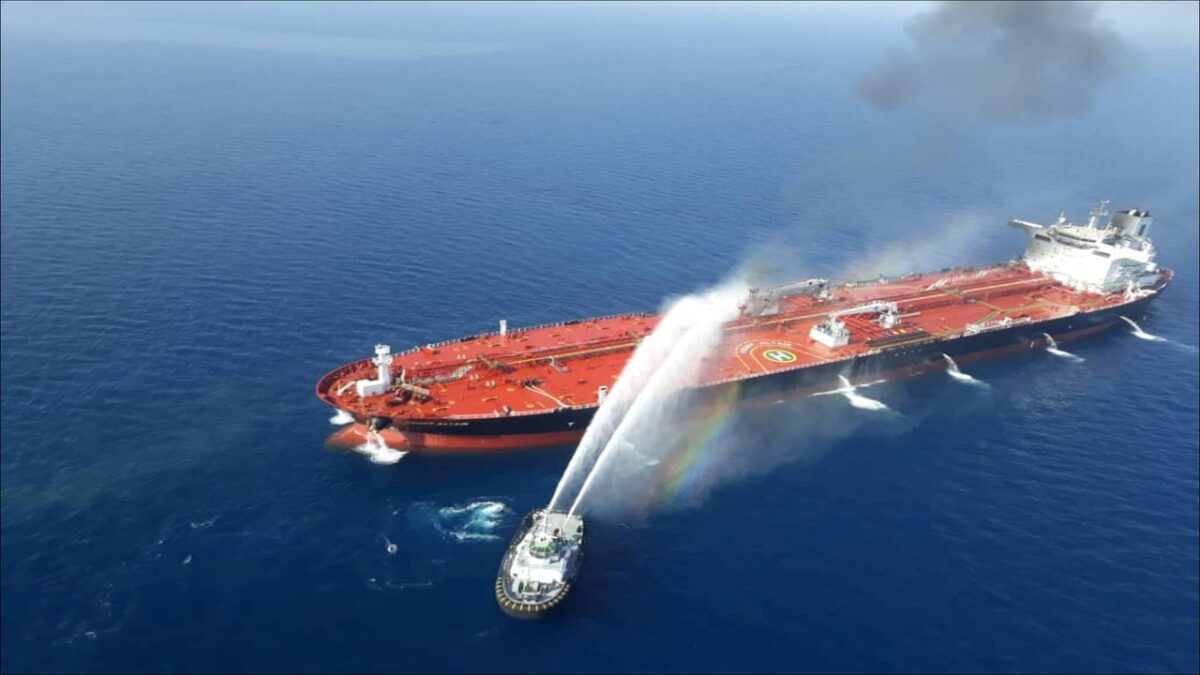
The Gulf of Oman recently became the scene of a significant maritime incident when a US-Sanctioned Tanker, the Skylight, was attacked off the coast of Oman, underscoring escalating maritime security challenges in a vital global shipping lane. This refined products tanker, with a diverse international crew, faced an assault five nautical miles north of Khasab Port. The event has immediately garnered international attention, raising serious concerns about the safety of commercial shipping and the potential for wider regional instability amidst existing geopolitical tensions. This attack highlights the perilous environment where economic pressures intersect with physical conflict, demanding immediate scrutiny from the global maritime community.
The Skylight incident represents a complex interplay of geopolitical strategy and maritime vulnerability. Located in one of the world’s most critical maritime corridors, the attack on a vessel previously subjected to international sanctions adds layers of complexity to an already volatile region. As the global shipping industry navigates these dangerous waters, understanding the specifics of such attacks, the coordinated responses, and the broader implications for international trade and security becomes paramount. This event serves as a stark reminder of the persistent threats to maritime operations and the crucial need for enhanced vigilance.
The Incident: Details of the Tanker Attack
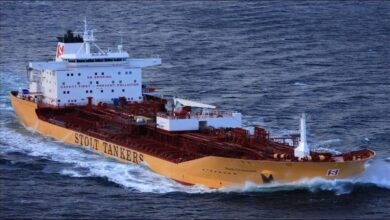
The Palau-flagged Skylight, an 11,262 DWT refined products tanker, was targeted approximately five nautical miles north of Khasab Port, a strategic location near the critical Strait of Hormuz. This essential waterway facilitates a substantial portion of the world’s oil and gas transit daily, making any disruption here a matter of global concern. The precise nature of the attack, while still under investigation, prompted an immediate and robust response from regional maritime security forces, reflecting the gravity of such an event in an area prone to geopolitical friction.
The Oman Maritime Security Centre quickly reported the attack via a public social media update, emphasizing the urgency and transparency with which maritime incidents are now communicated. This rapid notification mechanism helps stakeholders assess risks and respond effectively. The location off the Omani coast is situated within a sensitive zone that has previously experienced maritime disruptions and aggression, underscoring persistent threats to vessel safety and the continuous need for vigilant maritime surveillance and intelligence gathering.
This assault on a US-Sanctioned Tanker Off Oman sends ripples through the international shipping community, prompting renewed calls for enhanced protective measures for commercial vessels. The act of targeting a specific tanker with ties to ongoing geopolitical disputes introduces an unpredictable and dangerous element into maritime operations, compelling shipping companies, cargo owners, and insurers to rigorously re-evaluate their risk assessments for all voyages through the Arabian Sea and the Persian Gulf. The broader impact on maritime commerce cannot be overstated, as shipping routes become increasingly complex.
Crew Safety and Coordinated Rescue Efforts
At the heart of any maritime incident is the safety and well-being of the crew. The Skylight tanker had a diverse crew aboard, comprising 15 Indian nationals and five Iranian nationals, all of whom faced immediate danger during the assault. Four members of the crew sustained injuries, necessitating urgent medical attention and a swift, coordinated rescue effort. This multinational crew composition adds significant complexity to the humanitarian aspect, requiring meticulous international cooperation in crisis management and post-incident support.
In a testament to effective regional coordination, the Oman Maritime Security Centre confirmed that comprehensive rescue operations were executed swiftly. These operations involved the seamless collaboration among various military, security, and civilian agencies, demonstrating the national readiness to effectively handle complex maritime emergencies. The prompt evacuation of all crew members, despite challenging circumstances, was a critical success, prioritizing human life above all else in the chaotic aftermath of the attack.
The professional response from Omani authorities in managing the Skylight tanker incident highlights the vital role of established maritime security protocols and robust inter-agency cooperation. Such concerted efforts are crucial in mitigating the human cost of attacks on commercial vessels in volatile regions. Ensuring the safety of seafarers remains a top priority for international maritime organizations, and incidents like this serve as a poignant reminder of the inherent dangers faced by those who work tirelessly to sustain global trade across the oceans.
Geopolitical Context: Sanctions and Regional Dynamics
The Skylight tanker’s status as a vessel previously sanctioned by the U.S. Department of the Treasury’s Office of Foreign Assets Control (OFAC) places this incident firmly within a broader geopolitical narrative. The vessel was added to OFAC’s Iran-related designations sanctions list on December 18, directly linking it to the intricate web of economic pressures exerted by the US against Iran. This sanction history renders the Skylight a symbolically significant target, amplifying the political dimensions of the attack far beyond a typical act of maritime crime.
The timing of this attack is particularly critical, occurring against a backdrop of severely heightened tensions between the US, its allies, and Iran. Prior to the US-Sanctioned Tanker Attacked Off Oman event, the region had witnessed a significant escalation of hostilities. Reports indicated that the US and Israel had conducted military operations in Iran, which resulted in significant casualties, including high-ranking officials. These actions were met with forceful retaliation from Iran, including strikes against US bases and other strategic targets across the Middle East.
This escalating tit-for-tat creates an exceptionally dangerous environment for maritime operations. The targeting of a vessel associated with US sanctions can be perceived as a direct response within this larger conflict, transforming commercial shipping into a potential battleground. Understanding these complex geopolitical undercurrents is essential for analyzing the motives behind such an attack and predicting future patterns of aggression in the Persian Gulf and Gulf of Oman. The Iranian component of the crew further complicates the narrative, suggesting deeper strategic implications.
The imposition of sanctions on vessels like the Skylight is designed to exert economic pressure and curb activities deemed inimical to international security. However, such measures also create a specific risk profile for these vessels, making them potential targets for state-sponsored or proxy attacks aimed at undermining the sanctions regime or retaliating against the sanctioning powers. The incident with the Skylight serves as a stark illustration of how economic sanctions can intersect with kinetic actions in a highly volatile region, impacting not only sanctioned entities but also the broader commercial maritime sector.
Implications for Global Shipping and Maritime Security
The attack on the Skylight tanker off Oman carries profound implications for global shipping and overall maritime security in the Arabian Sea and the broader Middle East. Commercial vessels traversing these vital sea lanes, especially the narrow and congested Strait of Hormuz, now face an even higher degree of risk. This incident will undoubtedly compel shipping companies, cargo owners, and insurers to rigorously reassess their operational strategies and security protocols for voyages through what is increasingly becoming a contested zone of international waters.
Enhanced risk assessments will likely lead to increased war risk insurance premiums for vessels operating in the Gulf of Oman and surrounding areas. These additional financial burdens will impact global supply chains, potentially resulting in higher consumer prices for goods transported through these critical maritime routes. The uncertainty created by such attacks also forces costly rerouting decisions, adding significant time and fuel expenses to voyages, further disrupting the efficiency of global trade lanes.
Moreover, the incident underscores the urgent need for a more robust and coordinated international maritime security presence in the region. Naval forces from various nations already patrol these waters to protect global shipping from various threats, but the geopolitical nature of this attack demands a different level of vigilance, intelligence sharing, and potentially, a re-evaluation of engagement rules. The protection of international waters and the freedom of navigation are paramount principles continuously challenged by such acts of aggression against commercial vessels, making collective security efforts more vital than ever.
The Skylight tanker incident serves as a stark reminder that the security of global energy supplies and international trade routes is inextricably linked to regional stability. Any disruption in the flow of oil, gas, or other commodities through the Gulf of Oman can have far-reaching economic consequences. Therefore, understanding and mitigating the risks associated with state-sponsored or politically motivated maritime attacks becomes a critical imperative for both regional powers and the international community to ensure the continuity of seaborne trade.
Navigating Volatile Waters: The Future of Gulf Shipping
As the maritime industry grapples with the fallout from the US-Sanctioned Tanker Attacked Off Oman, the future of shipping in the Persian Gulf and its environs appears increasingly complex and fraught with challenges. This incident highlights a dangerous trend where commercial vessels, including tankers, can become proxies or direct targets in broader geopolitical conflicts, blurring the lines between military and civilian assets in a critical economic artery. This reality necessitates a fundamental rethinking of security strategies beyond traditional anti-piracy measures.
For shipping companies, investing in enhanced vessel hardening, advanced surveillance technologies, and specialized crew training in evasive maneuvers and emergency response will become even more crucial. Furthermore, leveraging real-time threat intelligence and engaging actively with regional maritime security centers will be essential for making informed decisions regarding vessel routing and operational readiness. The onus is on the industry to adapt quickly to these evolving threats to protect both valuable assets and human lives.
International cooperation and diplomatic engagement will also play a pivotal role in de-escalating tensions and ensuring the safety of seaborne trade. A collaborative approach involving global powers, regional stakeholders, and maritime organizations is necessary to establish clear rules of engagement, enhance deterrence capabilities, and facilitate rapid response mechanisms for maritime emergencies. Without concerted efforts to address the underlying geopolitical drivers of such attacks, the stability of key shipping routes will remain precarious, impacting global economic stability.
Ultimately, the Skylight tanker incident serves as a sobering reminder of the delicate balance required to maintain global trade flows amidst intense political rivalries. The maritime sector, often the unsung hero of the global economy, finds itself on the front lines of these conflicts. Protecting the freedom of navigation and ensuring the safety of seafarers and vessels in the Gulf of Oman and beyond will demand sustained vigilance, innovation, and a collective commitment from all nations invested in a secure and prosperous global maritime ecosystem. This ongoing challenge underscores the dynamic and critical nature of maritime security in an interconnected world.