US, Israel, Iran Tensions: Analyzing Regional Conflict | Mariner News
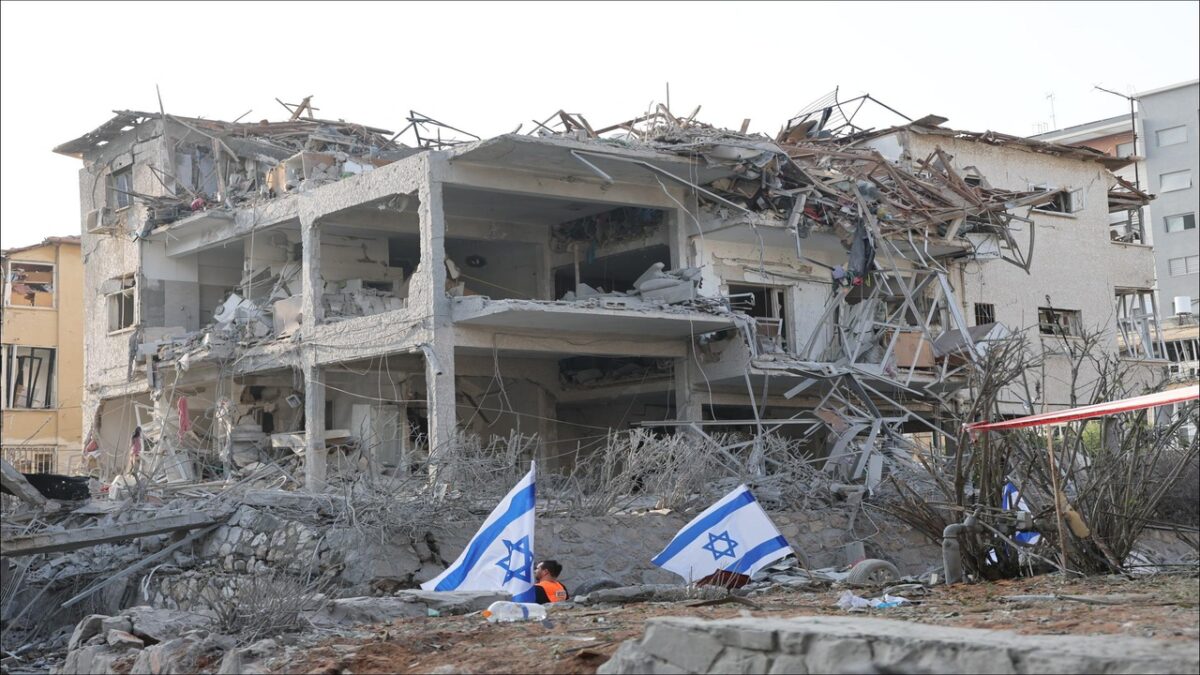
The geopolitical landscape of the Middle East remains profoundly shaped by the intricate and often volatile relationship between the United States, Israel, and Iran. Discussions around the phrase “Israel and the US attack Iran” frequently emerge in strategic analyses, highlighting a persistent state of tension, strategic confrontation, and the potential for open conflict in a region already grappling with multifaceted challenges. This dynamic interplay involves a complex web of historical grievances, ideological differences, security imperatives, and regional power struggles, all contributing to an environment ripe for miscalculation and escalation. Understanding these core relationships is crucial for grasping the broader implications for international security and stability.
Decades of Divergence: US-Iran Relations in Perspective
US-Iran relations underwent a dramatic shift following the 1979 Islamic Revolution, transforming a strategic alliance into an antagonistic standoff. The revolution ushered in a new era of anti-Western sentiment in Tehran, leading to events like the hostage crisis that cemented a deep mistrust between the two nations. Over the subsequent decades, the United States has consistently viewed Iran as a state sponsor of terrorism, citing its support for various proxy groups across the Middle East and its pursuit of a nuclear program deemed a proliferation risk.
The international community’s concerns over Iran’s nuclear ambitions led to extensive sanctions and diplomatic efforts. The Joint Comprehensive Plan of Action (JCPOA), signed in 2015 by Iran and world powers, aimed to curb Iran’s nuclear program in exchange for sanctions relief. However, the US withdrawal from the deal under the Trump administration in 2018, followed by a ‘maximum pressure’ campaign of renewed sanctions, reignited tensions significantly. This move left the nuclear deal in a precarious state, with Iran gradually enriching uranium to higher purities and expanding its nuclear activities beyond the limits set by the JCPOA.
Efforts by the Biden administration to revive the nuclear deal have faced considerable hurdles, characterized by indirect negotiations and persistent disagreements. The US continues to leverage sanctions as a primary tool to pressure Iran, seeking to curtail its nuclear program and destabilize its regional influence. These ongoing diplomatic stalemates, coupled with a backdrop of covert operations and skirmishes, underscore the fragile state of US-Iran relations and the constant threat of further escalation. The fundamental disagreements over Iran’s role in the region and its nuclear trajectory remain unresolved, fueling an enduring sense of instability.
The strategic rivalry also plays out through various proxy conflicts, with the US often finding itself indirectly engaged in regional disputes where Iranian-backed groups are involved. From Yemen to Iraq and Syria, the shadow boxing between the US and Iran contributes to prolonged conflicts and humanitarian crises. This intricate dance of deterrence and confrontation defines much of the regional security architecture, with each side carefully calibrating its actions to avoid direct military engagement while simultaneously undermining the other’s objectives.
The Israel-Iran Proxy Conflict: A Shadow War
The animosity between Israel and Iran is a central pillar of Middle Eastern geopolitics, manifesting primarily as a long-running shadow war. Iran’s leadership views Israel as an illegitimate entity, while Israel considers Iran’s nuclear program and its support for groups like Hezbollah in Lebanon and Hamas in Gaza as existential threats. This deeply entrenched rivalry means that any significant development concerning Iran’s capabilities or regional footprint is met with acute concern in Jerusalem.
Israel has openly declared that it will not tolerate Iran acquiring nuclear weapons and reserves the right to take preemptive action to prevent such an outcome. This stance has driven Israel to conduct numerous covert operations, cyberattacks, and targeted strikes against Iranian nuclear and military facilities, as well as against Iranian assets and proxies in Syria and elsewhere. The ‘war between the wars’ doctrine employed by Israel aims to degrade Iran’s capabilities and prevent its military entrenchment near Israeli borders without igniting a full-scale regional conflict.
Iran, in turn, has consistently vowed retaliation for Israeli actions, often through its network of regional proxies. These groups pose significant missile and drone threats to Israel, creating a constant state of alert. The ongoing conflict in Syria, where Iran has sought to establish a military foothold to support the Assad regime and project power towards Israel, has become a primary arena for these clashes. Israeli airstrikes in Syria targeting Iranian arms transfers and military infrastructure are frequent, underscoring the intensity of this undeclared war.
This continuous low-intensity conflict is characterized by a high degree of strategic calculation and risk management. Both sides seek to inflict damage and deter the other without crossing red lines that could trigger a catastrophic direct military confrontation. The complexities of this proxy struggle are immense, involving intelligence gathering, cyber warfare, economic sabotage, and precision military strikes, all contributing to a volatile and unpredictable environment that consistently threatens wider regional stability.
The US-Israel Alliance: A Cornerstone in the Middle East
The alliance between the United States and Israel is a foundational element of Middle Eastern security, built on decades of shared strategic interests, deeply intertwined political ties, and substantial military and intelligence cooperation. The US provides Israel with significant military aid, access to advanced weaponry, and robust diplomatic support, particularly in international forums. This unwavering commitment to Israel’s security is a bipartisan policy in Washington and a critical factor in the regional balance of power.
However, despite this strong alliance, there have been notable divergences in policy, particularly regarding Iran. Israel has often advocated for a more aggressive stance against Iran’s nuclear program and regional activities, sometimes pushing for military options where the US has preferred diplomatic avenues or more measured deterrence. These differences, while sometimes creating friction, are typically managed within the framework of a robust strategic partnership, with both nations striving to align their broader objectives regarding regional stability and countering threats.
Washington’s consistent message to Tehran has been that any direct military action against Israel would be met with a decisive response. This implicit security guarantee forms a crucial deterrent in the region, aimed at preventing a direct confrontation between Israel and Iran. The US also plays a vital role in coordinating regional security initiatives and has encouraged diplomatic normalization between Israel and several Arab states through the Abraham Accords. These accords are seen, in part, as a strategy to build a stronger regional front against Iranian influence, further complicating the geopolitical equations.
The strategic alignment between the US and Israel acts as a powerful counterbalance to Iran’s ambitions, but it also carries the inherent risk of drawing the US into a broader regional conflict if tensions were to escalate significantly. The intricate balance between supporting an ally’s security imperatives and preventing a wider conflagration remains a constant challenge for US policymakers. The alliance is a dynamic entity, continually adapting to the evolving threats and opportunities in the volatile Middle Eastern theatre.
Key Flashpoints and Potential for Escalation
The potential for conflict involving Israel, the US, and Iran stems from several critical flashpoints. Iran’s continued enrichment of uranium to levels close to weapons grade, coupled with its restrictions on international inspectors, raises serious concerns about its nuclear breakout capability. This ongoing nuclear challenge remains a primary driver of tension and a potential trigger for preemptive action, particularly from Israel, which views a nuclear-armed Iran as an existential threat.
Regional proxy conflicts represent another significant risk factor. From the ongoing civil war in Yemen, where Iranian-backed Houthis routinely attack Saudi and Emirati targets, to the instability in Iraq and the protracted conflict in Syria, these battlegrounds are fertile ground for miscalculation. An unintended incident or an escalation in any of these areas could quickly spiral beyond control, drawing in larger regional and international actors, including the US and Israel.
Maritime security in the Persian Gulf and the Strait of Hormuz is another critical area of vulnerability. Iran has frequently threatened to disrupt shipping through this vital oil transit choke point, and there have been numerous incidents involving attacks on tankers, drone strikes, and seizures of vessels attributed to Iran. Such actions have direct global economic repercussions and could easily provoke a military response from the US or its allies, who maintain a significant naval presence in the region to protect freedom of navigation.
Lastly, cyber warfare has emerged as a significant domain of conflict. Both sides are actively engaged in cyber espionage and sabotage, targeting critical infrastructure. A major cyberattack that causes widespread disruption could be perceived as an act of war, leading to retaliatory actions in both the digital and physical realms. The anonymity and attribution challenges inherent in cyber warfare make it a particularly dangerous avenue for escalation, as it can be difficult to determine the precise origin and intent of an attack.
The Economic and Geopolitical Ripple Effects
Any significant military confrontation or sustained escalation involving Israel, the US, and Iran would unleash profound economic and geopolitical ripple effects across the globe. The Middle East is the world’s primary source of oil and gas, and any disruption to its energy supplies, particularly through the Strait of Hormuz, would send shockwaves through global energy markets. Oil prices would likely skyrocket, triggering inflation and potentially plunging the world economy into a recession, impacting consumers and businesses globally.
Beyond energy, global trade routes, especially maritime shipping, would face severe disruptions. Insurance premiums for shipping through the region would soar, leading to increased costs for goods and services. Supply chains, already fragile from recent global events, would experience further strain, potentially leading to shortages and economic instability in various sectors. The region’s already struggling economies would suffer immensely, exacerbating existing humanitarian crises and developmental challenges.
Geopolitically, such a conflict would further polarize international relations. Major global powers like China, Russia, and European nations, which have significant economic interests in the region and often maintain complex diplomatic relations with all parties, would face immense pressure to choose sides or facilitate de-escalation. The United Nations and other international bodies would be challenged to mediate a resolution, potentially highlighting divisions within the Security Council and undermining global governance mechanisms.
Furthermore, an escalation would likely lead to new waves of displacement and humanitarian emergencies, adding to the refugee burdens already faced by neighboring countries and Europe. The long-term stability of key strategic alliances and regional partnerships could be irrevocably altered, fundamentally reshaping the political map of the Middle East and beyond. The interconnected nature of the global economy and security architecture means that the consequences of such a conflict would be truly far-reaching and deeply impactful.
Navigating the Future: Diplomacy, Deterrence, and De-escalation
Navigating the complex and perilous future of relations between Israel, the US, and Iran requires a delicate balance of robust deterrence, sustained diplomatic engagement, and credible de-escalation mechanisms. The international community, led by key global powers, faces the ongoing challenge of preventing nuclear proliferation while also avoiding a full-blown regional war that would have catastrophic global implications. The debate between sanctions-heavy approaches and more conciliatory diplomatic paths remains central to policy discussions in Washington and other Western capitals.
Effective diplomacy necessitates open channels of communication, even if indirect, to manage crises and explore potential off-ramps. Regional dialogue and confidence-building measures, though difficult to achieve given the deep-seated mistrust, are essential for fostering a more stable environment. This could involve discussions on regional security architectures, arms control, and mechanisms for reducing military risks. The role of international bodies, like the IAEA for nuclear oversight and the UN for mediation, remains critical in providing frameworks for accountability and dialogue.
The strategy of deterrence is aimed at dissuading aggressive actions through the threat of retaliation. For the US and Israel, this involves maintaining superior military capabilities and demonstrating a willingness to use force when perceived red lines are crossed. However, effective deterrence must be carefully calibrated to avoid being perceived as provocation, which could inadvertently trigger the very conflict it seeks to prevent. The line between strength and escalation is incredibly fine, requiring constant vigilance and strategic acumen.
Ultimately, all parties involved, directly and indirectly, have a profound interest in achieving a stable and peaceful resolution. This involves recognizing legitimate security concerns, addressing humanitarian crises, and finding pathways for coexistence. The pursuit of long-term strategic stability in the Middle East demands sustained diplomatic efforts, the responsible exercise of power, and a commitment to de-escalation to prevent the ever-present threat of conflict involving Israel, the US, and Iran from erupting into a wider, more devastating war.